Why Nutrition Matters for Health and Energy
Nutrition is the foundation of a healthy lifestyle. What you eat directly affects your energy levels, mood, immune system, and long-term health. Yet, for many beginners, understanding nutrition can feel overwhelming.
The good news? Healthy eating doesn’t have to be complicated. With a few practical nutrition tips and a focus on building a balanced diet plan, anyone can improve their well-being.
This beginner nutrition guide will help you understand the basics of healthy eating, debunk common myths, and give you actionable steps to create sustainable habits.
Benefits of a Balanced Diet
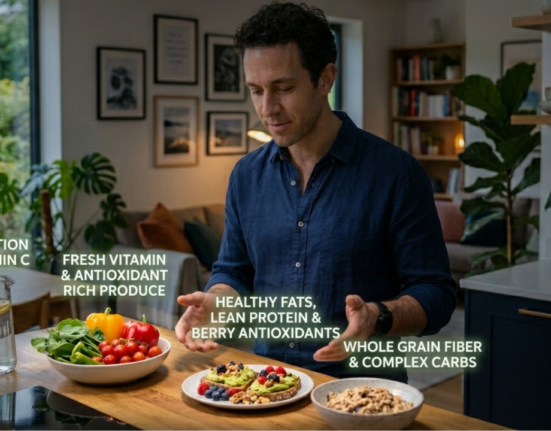
A balanced diet provides your body with essential nutrients like carbohydrates, proteins, fats, vitamins, and minerals. Let’s explore why it matters.
Physical Health
Eating a balanced diet supports your body in many ways:
- Boosts immune function
- Improves digestion
- Helps maintain a healthy weight
- Supports heart health
- Strengthens bones and muscles
When your body gets the right nutrients, it performs better and recovers faster.
Mental Clarity
Nutrition doesn’t just impact your body it affects your mind too.
- Improves focus and concentration
- Stabilizes mood
- Reduces fatigue and brain fog
- Supports better sleep
Foods rich in healthy fats, whole grains, and vitamins can enhance cognitive performance and emotional well-being.
Long-Term Wellness
Healthy eating today sets the foundation for your future.
- Reduces risk of chronic diseases
- Supports healthy aging
- Improves longevity
- Enhances overall quality of life
A consistent balanced diet plan can help prevent conditions like diabetes, heart disease, and obesity.
Common Nutrition Myths Debunked
There’s a lot of misinformation about nutrition. Let’s clear up some common myths.
Myth 1: Carbs are bad for you
Carbohydrates are your body’s primary energy source. The key is choosing complex carbs like whole grains instead of refined sugars.
Myth 2: Skipping meals helps with weight loss
Skipping meals often leads to overeating later. Regular meals support metabolism and energy levels.
Myth 3: All fats are unhealthy
Healthy fats (like those from nuts, seeds, and olive oil) are essential for brain and heart health.
Myth 4: You need expensive superfoods
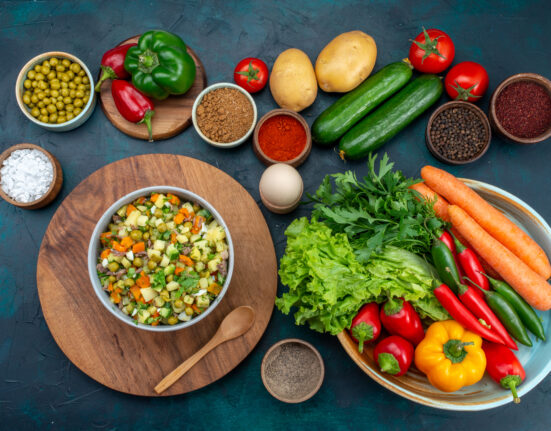
You don’t need fancy ingredients. Simple, whole foods like fruits, vegetables, and grains are enough.
Myth 5: Supplements can replace food
Supplements can help in some cases, but real food should always be your primary source of nutrients.
Practical Healthy Eating Tips
Building a healthy lifestyle starts with small, consistent changes. Here are some easy nutrition tips to get started.
Meal Prep
Planning your meals in advance saves time and helps you make healthier choices.
- Prepare meals for 2–3 days at a time
- Keep healthy snacks ready
- Use simple recipes with whole ingredients
- Avoid relying on fast food
Read also: Meal Prep for Beginners
Portion Control
Even healthy food can lead to weight gain if eaten in large quantities.
- Use smaller plates
- Fill half your plate with vegetables
- Eat slowly and mindfully
- Avoid eating straight from packages
Hydration
Water is often overlooked but essential for good health.
- Aim for 7–8 glasses of water daily
- Drink water before meals
- Limit sugary drinks
- Add lemon or fruits for flavour
Proper hydration improves digestion, skin health, and energy levels.
Sample Balanced Diet Plan
Here’s a simple and beginner-friendly balanced diet plan you can follow:
Breakfast
- Oatmeal with fruits and nuts
- Boiled eggs or yogurt
- Green tea or milk
Read also: Healthy Breakfast Ideas
Lunch
- Whole grain roti or brown rice
- Dal (lentils) or grilled chicken
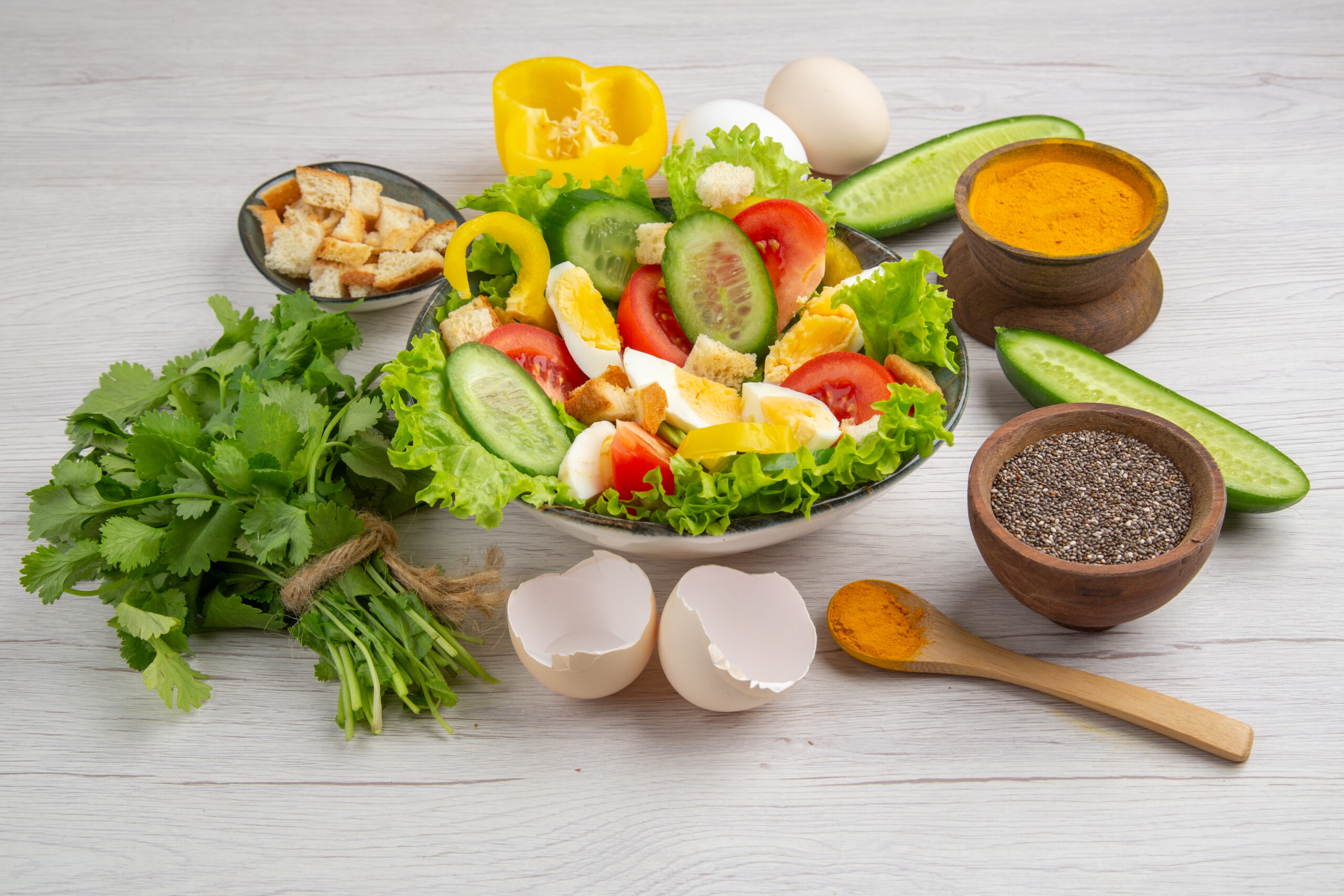
- Mixed vegetable salad
- Curd (yogurt)
Dinner
- Light meal (vegetables + protein)
- Soup with whole grain bread
- Stir-fried vegetables with tofu or paneer
Snacks
- Fresh fruits
- Nuts and seeds
- Roasted chickpeas
- Smoothies
Read also: Top 10 Superfoods
Conclusion – Take Action Today
Improving your nutrition doesn’t require drastic changes. Start small add more vegetables to your meals, drink more water, and plan your meals ahead.
Remember, healthy eating is a journey, not a quick fix. With the right nutrition tips and a sustainable balanced diet plan, you can build a healthier, more energetic life.
Frequently Asked Questions.
The best diet for beginners is a simple balanced diet plan that includes whole foods like fruits, vegetables, grains, protein, and healthy fats. Avoid extreme diets and focus on consistency.
Most people do well with 3 main meals and 1–2 healthy snacks. However, it depends on your lifestyle and hunger levels.
Yes, healthy snacking can help maintain energy levels. Choose nutrient-dense options like fruits, nuts, or yogurt instead of processed snacks.
Not always. If you eat a varied and balanced diet, you may not need supplements. However, consult a healthcare professional if you have deficiencies.
Plan your meals, Keep healthy food accessible, Set realistic goals
Avoid perfection focus on progress
Track your habits
Consistency is more important than perfection in building a healthy lifestyle.