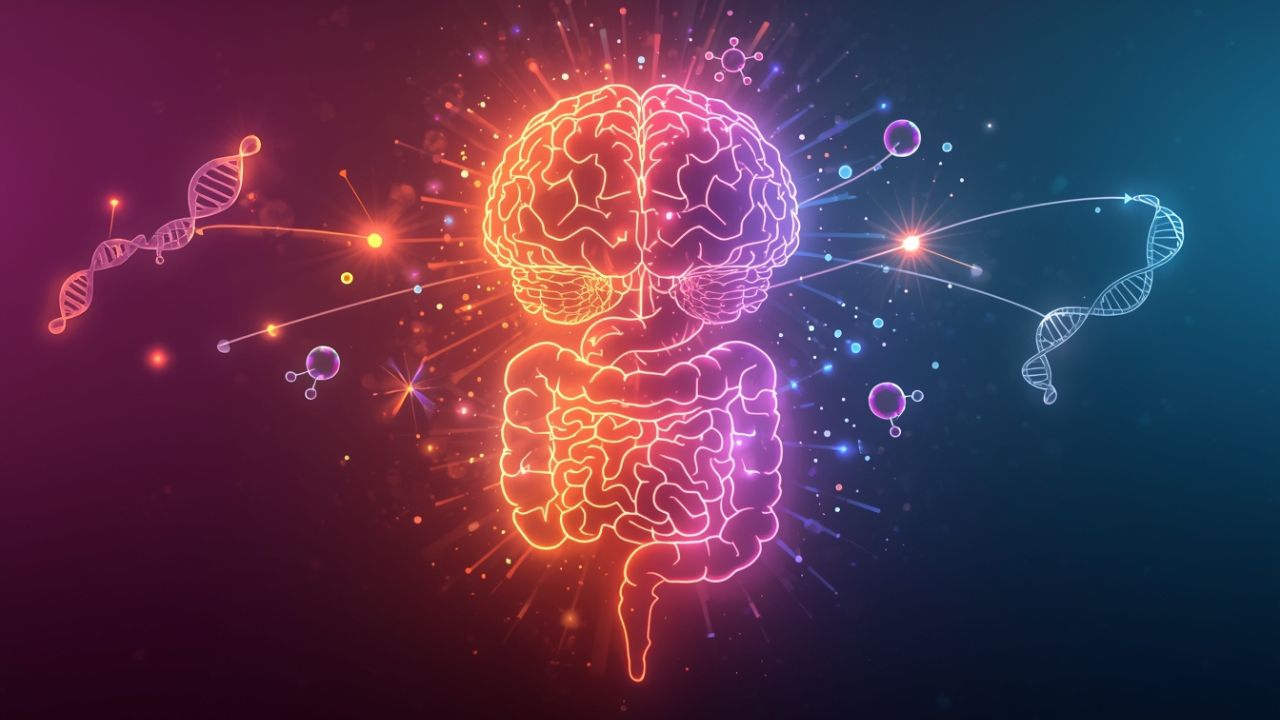
Imagine a hidden organ in your body one that holds roughly 100 million neurons, produces more than 90% of your body’s serotonin, and fires off messages to your brain every single second. This organ is not your heart. It is not your lungs. It is your gut.
1. What Is the Gut-Brain Connection?
The term “gut-brain connection” refers to the complex, bidirectional communication network that links the enteric nervous system (ENS) embedded in the lining of your gastrointestinal tract with the central nervous system (CNS), which encompasses your brain and spinal cord. This network is mediated by the vagus nerve, the immune system, the endocrine system, and the teeming ecosystem of bacteria, viruses, fungi, and archaea collectively known as the gut microbiome.
The Enteric Nervous System: Your Second Brain
The enteric nervous system (ENS) is a network of approximately 100 to 500 million neurons embedded in the walls of your gastrointestinal tract, stretching from your esophagus to your anus. It is capable of independent functioning regulating motility, secretion, and blood flow in the gut without any input from the central nervous system. This functional autonomy is why gastroenterologists and neuroscientists alike have nicknamed it the “second brain.”
Unlike the brain in your skull, the ENS cannot write poetry, solve algebra problems, or consciously process fear. What it can do with remarkable sophistication is sense the chemical and mechanical environment of the gut, coordinate the muscular contractions that move food through your digestive tract, and relay a continuous stream of sensory data upward to the brain via the vagus nerve. Approximately 80-90% of the signals traveling along this nerve carry information from gut to brain, not the other way around.
| KEY INSIGHT The gut does not merely receive instructions from the brain it actively informs, influences, and even shapes brain function. The communication is bidirectional, but the gut speaks first and most often. |
Why the Gut-Brain Connection Matters for Modern Health
Mental health disorders are among the most prevalent and economically costly health challenges of our era. The World Health Organization estimates that depression affects over 280 million people globally, while anxiety disorders affect nearly 300 million more. Despite decades of research and billions spent on pharmacological solutions, rates of these conditions continue to climb. This is precisely why the gut-brain axis has captured the imagination of the medical community: it represents a largely unexplored, potentially transformable terrain that could offer new therapeutic avenues rooted in nutrition, lifestyle, and microbial science.
2. The Science of the Gut-Brain Axis Explained
The gut-brain axis is not a single pathway. The gut-brain axis is a complex communication system. It works through four channels: neural, endocrine, immune, and metabolic. Each pathway carries unique information, uses distinct messengers, and runs on different timescales. Together, they converge to shape gut and brain function profoundly.
The Neural Pathway: Neurons That Connect Gut to Brain
“The vagus nerve is the primary neural channel of the gut-brain axis. It is the tenth cranial nerve, extending from the brainstem through the chest into the abdomen. Along the way, it innervates the heart, lungs, stomach, liver, pancreas, and intestines. About 80–90% of vagal fibers are afferent, carrying signals from the gut to the brain. This makes the vagus nerve a reporting channel that constantly updates the brain on gut status
The Endocrine Pathway: Hormones as Gut-Brain Messengers
The gut is the body’s largest endocrine organ, producing and releasing more than 20 different regulatory hormones. Among the most relevant to brain function are:
- Approximately 90-95% of total body serotonin is synthesized and stored in enterochromaffin cells lining the intestinal mucosa. Gut-derived serotonin regulates peristalsis and influences mood-related signaling.Serotonin (5-HT):
- Known as the “hunger hormone,” ghrelin acts on the brain’s hypothalamus to stimulate appetite and has mood-modulating properties that may be dysregulated in depression.Ghrelin:
- Released by intestinal L-cells in response to food, GLP-1 signals satiety to the brain, reduces inflammation, and is now being studied for effects on cognition and mood.GLP-1 (Glucagon-Like Peptide-1):
- Released in response to fat and protein intake, CCK acts as a satiety signal and has been shown to reduce anxiety in animal models.Cholecystokinin (CCK):
- Produced by gut cells in response to food, PYY reduces appetite and has been linked to cognitive performance and emotional regulation.Peptide YY (PYY):
The Immune Pathway: Inflammation as a Mental Health Signal
Approximately 70-80% of the body’s immune cells reside in the gut-associated lymphoid tissue (GALT), a distributed immune system embedded within the intestinal walls. The gut microbiome is in constant negotiation with this immune system, calibrating it toward tolerance of benign molecules and vigilance against genuine pathogens. When this calibration goes wrong due to dysbiosis the result can be chronic low-grade inflammation.
Inflammatory cytokines, the chemical messengers of the immune system, can cross the blood-brain barrier and directly influence brain function. Elevated levels of interleukin-6 (IL-6), tumor necrosis factor alpha (TNF-α), and C-reactive protein (CRP) have all been consistently associated with increased risk of depression, cognitive decline, and neurological disorders.
| RESEARCH HIGHLIGHT A landmark 2019 meta-analysis published in Molecular Psychiatry found that individuals with major depressive disorder had significantly elevated circulating levels of inflammatory markers and that gut dysbiosis was a consistent upstream contributor to this inflammatory state. |
The Metabolic Pathway: Short-Chain Fatty Acids and Neurochemistry
One of the most exciting pathways in the gut-brain axis involves short-chain fatty acids (SCFAs) specifically acetate, propionate, and butyrate which are produced when beneficial gut bacteria ferment dietary fiber. SCFAs exert a remarkable range of effects on brain health:
- Butyrate is a primary fuel source for colonocytes and strengthens gut barrier integrity, reducing leaky gut.
- Butyrate also crosses the blood-brain barrier, acting as an epigenetic regulator that can influence gene expression in neurons.
- Propionate influences dopamine precursor production and has been shown to affect reward-related behavior.
- Acetate acts on the hypothalamus to regulate appetite and energy expenditure.
3. Gut Microbiome and Mental Health: What the Research Says
The relationship between the gut microbiome and mental health is now one of the most intensively studied areas in all of biomedical science. Over 12,000 peer-reviewed papers have been published on the microbiome-gut-brain axis since 2010, and the pace of discovery continues to accelerate. Several major findings have emerged with enough consistency to be considered well-supported.
Dysbiosis and Depression: A Consistent Association
Studies consistently find that individuals with major depressive disorder (MDD) have significantly different gut microbiome compositions compared to healthy controls. Specifically, depressed individuals tend to show reduced abundance of beneficial genera like Lactobacillus, Bifidobacterium, and Faecalibacterium prausnitzii bacteria that produce anti-inflammatory compounds and GABA and increased abundance of pro-inflammatory bacteria like Enterobacteriaceae.
A pivotal 2019 study published in Nature Microbiology analyzed fecal microbiome data from 1,054 individuals and found that Coprococcus and Dialister two bacterial genera capable of producing dopamine-related metabolites were consistently depleted in individuals with depression, even after controlling for antidepressant use.
Germ-Free Animal Studies: Proof of Concept
Some of the most compelling evidence for the microbiome’s influence on mental health comes from germ-free animal models mice raised in completely sterile environments with no gut microbiome whatsoever. These animals consistently display exaggerated stress responses, elevated corticosterone, altered neurotransmitter levels, and anxiety-like behaviors. Crucially, when colonized with microbiota from anxious mice or depressed human donors, they begin to exhibit the behavioral profiles of their microbial donors.
Fecal Microbiota Transplants: From Gut to Mind
Fecal microbiota transplantation (FMT) the transfer of gut microbiota from a healthy donor to a recipient is now being explored as a potential therapeutic tool for mental health conditions. Early-phase clinical trials suggest that FMT from healthy donors may reduce symptoms of irritable bowel syndrome (IBS) and the anxiety and depression that frequently accompany it. While FMT for psychiatric conditions is still experimental, the early data underscores the profound and transferable influence of microbial composition on emotional wellbeing.
4. The Vagus Nerve: Your Gut-Brain Superhighway
If the gut-brain axis were a telecommunications network, the vagus nerve would be its primary fiber-optic cable. Derived from the Latin word for “wandering,” the vagus nerve is the longest and most complex of the twelve cranial nerves, traveling from the brainstem through the neck, chest, and abdomen to innervate the heart, lungs, diaphragm, stomach, small intestine, and colon.
Afferent Signaling: When the Gut Reports to the Brain
Approximately 80-90% of vagal nerve fibers are afferent they carry information from the gut to the brain, not the other way around. These afferent fibers detect the gut’s chemical and mechanical environment and relay all of this sensory information in real time to the nucleus tractus solitarius (NTS) in the brainstem, which then distributes signals to higher brain centers involved in mood, appetite, stress response, and autonomic regulation.
Vagal Tone: Why Some People Are More Resilient
Vagal tone refers to the baseline activity of the vagus nerve, estimated through heart rate variability (HRV) measurements. Higher vagal tone is associated with greater emotional regulation, better stress resilience, reduced inflammation, and improved gut motility. Evidence-based vagal tone-enhancing practices include:
- Slow breathing at 4-6 breaths per minute activates parasympathetic pathways and stimulates vagal afferents.Diaphragmatic (slow, deep) breathing:
- Briefly immersing the face in cold water activates the diving reflex, directly stimulating the vagus nerve.Cold water exposure:
- These activities engage the muscles innervated by the vagus nerve in the pharynx and larynx.Singing, humming, and chanting:
- Multiple studies show regular mindfulness practice increases HRV and vagal tone.Meditation and mindfulness:
- Research shows Lactobacillus rhamnosus produces GABA and communicates calming effects to the brain via the vagus nerve.Probiotic consumption:
5. Serotonin and Gut Health: The Happiness Molecule Below Your Waist
When most people think of serotonin, they picture the brain specifically the neural circuits targeted by SSRIs (selective serotonin reuptake inhibitors), the most prescribed class of antidepressants in the world. The gut synthesizes, stores, and releases 90–95% of the body’s serotonin, not the brain.
How Gut Bacteria Regulate Serotonin Production
Gut-derived serotonin comes from enterochromaffin (EC) cells in the intestinal mucosa, synthesized from dietary tryptophan. Remarkably, the gut microbiota regulate TPH1 production and drive serotonin release from EC cells. A landmark 2015 study from Caltech demonstrated that specific gut bacteria particularly spore-forming Clostridiales species promote serotonin biosynthesis in colonic EC cells. Germ-free mice had dramatically reduced colonic serotonin levels that normalized upon bacterial colonization.
Learn: Fibermaxxing: The 2026 Guide to High-Fiber Eating
The Tryptophan Competition Problem
Gut-derived serotonin does not cross the blood-brain barrier and therefore does not directly elevate brain serotonin levels. “Gut dysbiosis activates the kynurenine pathway, an inflammatory route for tryptophan. As a result, less tryptophan is available for serotonin synthesis in the brain. Healthy gut bacteria suppress this pathway, leaving more tryptophan for the serotonergic route. This creates a direct biochemical link between microbiome health and brain serotonin.
| NUTRITION TIP To support gut serotonin production and tryptophan availability, focus on a diet rich in tryptophan-containing foods (turkey, eggs, seeds, legumes), diverse fermentable fibers to nourish serotonin-promoting bacteria, and anti-inflammatory compounds (omega-3s, polyphenols) that suppress the kynurenine pathway. |
6. Leaky Gut and Brain Fog: Is Your Gut Wall Making You Foggy?
The term “leaky gut” or more precisely, intestinal hyperpermeability refers to a condition in which the tight junctions between intestinal epithelial cells become compromised, allowing bacteria, bacterial toxins (particularly lipopolysaccharide, or LPS), undigested food particles, and other luminal contents to pass into the bloodstream.
From Gut to Brain: The LPS-Neuroinflammation Cascade
When LPS leaks through a compromised gut barrier into systemic circulation, the immune system responds with an inflammatory cascade. LPS binds to toll-like receptor 4 (TLR4) on immune cells, triggering the release of pro-inflammatory cytokines including TNF-α, IL-1β, and IL-6. These cytokines can traverse the blood-brain barrier, where they activate microglia, disrupt hippocampal neurogenesis, reduce BDNF, and impair synaptic plasticity.
The subjective experience of this neuroinflammatory cascade? Brain fog that frustratingly vague constellation of cognitive symptoms including difficulty concentrating, poor short-term memory, mental fatigue, slowed processing speed, and a pervasive sense of mental cloudiness.
What Damages the Gut Barrier?
- Common food additives like carboxymethylcellulose (CMC) and polysorbate-80, found in processed foods, disrupt gut mucus and increase permeability.Dietary emulsifiers:
- Even moderate alcohol consumption increases gut permeability by disrupting tight junction proteins claudin and occludin.Alcohol:
- Regular use of non-steroidal anti-inflammatory drugs like ibuprofen is associated with significantly increased intestinal permeability.NSAIDs:
- Cortisol and stress-related neuropeptides directly downregulate tight junction expression in intestinal cells.Chronic psychological stress:
- Insufficient dietary fiber leads to reduced butyrate production, the primary fuel maintaining colonocyte integrity.Low-fiber diets:
- An imbalanced microbiome with excess proteolytic bacteria can generate compounds directly toxic to the intestinal epithelium.Dysbiosis:
7. Probiotics for Anxiety and Depression: Do They Really Work?
The term psychobiotics coined by Ted Dinan and John Cryan of University College Cork in 2013 refers to probiotic organisms that, when ingested in adequate quantities, produce a measurable mental health benefit. The psychobiotic field is now one of the fastest-growing areas in nutritional psychiatry, and while the evidence is not yet definitive, the trajectory is unmistakably promising.
Clinical Evidence for Probiotics and Anxiety
A 2019 systematic review and meta-analysis published in General Psychiatry analyzed 34 controlled studies and found that probiotic supplementation produced significant reductions in anxiety symptom scores compared to placebo. Strains with the strongest evidence include Lactobacillus rhamnosus JB-1, Lactobacillus helveticus R0052 combined with Bifidobacterium longum R0175, and Bifidobacterium longum 1714.
Probiotic Strains and Their Mental Health Benefits
| Probiotic Strain | Proposed Mental Health Benefit | Evidence Level |
| L. rhamnosus JB-1 | Reduces anxiety, lowers corticosterone, increases GABA receptors (animal studies) | Strong preclinical; emerging human data |
| L. helveticus R0052 + B. longum R0175 | Reduces anxiety, cortisol, and depression scores in healthy volunteers | Multiple RCTs |
| Bifidobacterium longum 1714 | Reduces stress and improves cognitive performance under stress | Phase 2 RCT |
| L. acidophilus NCFM | Reduces visceral pain, improves IBS-related mood symptoms | Multiple trials (IBS population) |
| Multispecies formulations | Broad microbiome diversification; improved mood and cognitive reactivity | Growing RCT base |
8. Diet and Depression: Best Foods for Your Gut-Brain Axis
If there is one overarching conclusion that emerges from the field of nutritional psychiatry, it is this: dietary patterns not individual nutrients or superfoods in isolation are the primary dietary determinant of mental health outcomes. The foods you eat every day shape the composition of your gut microbiome, the integrity of your gut barrier, the production of neuroactive metabolites, and the level of systemic inflammation all of which directly influence brain function and emotional wellbeing.
The Mediterranean Diet: Gold Standard for the Gut-Brain Axis
The Mediterranean diet characterized by high consumption of vegetables, fruits, whole grains, legumes, nuts, seeds, olive oil, and fish, with low consumption of red and processed meats and ultra-processed foods is the most extensively studied dietary pattern in relation to both gut health and mental health.
The Gut-Brain Power Foods Table
| Food / Food Group | Gut-Brain Benefit | Key Active Components |
| Fermented foods (kefir, kimchi, sauerkraut, miso) | Increases microbiome diversity; reduces inflammatory markers | Live bacteria, organic acids, bioactive peptides |
| Oily fish (salmon, mackerel, sardines) | Reduces neuroinflammation; supports hippocampal neurogenesis | EPA, DHA (omega-3 fatty acids) |
| Dark leafy greens (spinach, kale, Swiss chard) | Reduces gut inflammation; nourishes beneficial bacteria | Fiber, folate, magnesium, polyphenols |
| Legumes (lentils, chickpeas, black beans) | Fuels butyrate production; supports gut barrier integrity | Soluble fiber, resistant starch, polyphenols |
| Berries (blueberries, strawberries, raspberries) | Selectively nourishes beneficial Bifidobacteria | Anthocyanins, quercetin, ellagic acid |
| Extra-virgin olive oil | Anti-inflammatory; increases BDNF; promotes mucus layer integrity | Oleocanthal, hydroxytyrosol, oleic acid |
| Walnuts and almonds | Increases gut microbial diversity; reduces fasting cortisol | Fiber, polyphenols, alpha-linolenic acid |
| Dark chocolate (≥70% cacao) | Prebiotic effect; increases Lactobacillus and Bifidobacterium; reduces stress hormones | Cocoa flavanols, theobromine |
9. Gut Health and Cognitive Function: Memory, Focus, and Brain Age
The gut-brain connection extends well beyond mood and emotion. There is mounting evidence that the composition and diversity of the gut microbiome influences cognitive function including working memory, executive function, sustained attention, and even the rate of brain aging.
The Microbiome and BDNF: Feeding Your Brain’s Fertilizer
Brain-derived neurotrophic factor (BDNF) is a protein that acts as a fertilizer for neurons supporting their survival, promoting the formation of new synapses, and facilitating neuroplasticity. Multiple lines of evidence now demonstrate that the gut microbiome is a significant regulator of BDNF expression in the hippocampus. Germ-free mice consistently have reduced hippocampal BDNF levels. Dietary patterns rich in fermentable fibers which fuel the bacteria that produce butyrate, a known BDNF-promoting compound are positively correlated with higher BDNF levels in humans.
Gut Microbiome and Alzheimer’s Disease Risk
Multiple recent studies have found significant differences in the gut microbiome compositions of individuals with Alzheimer’s disease compared to cognitively healthy age-matched controls. A highly cited 2019 study in Science Translational Medicine demonstrated that gut bacteria produce and release amyloid proteins — the same class of misfolded proteins that aggregate to form plaques characteristic of Alzheimer’s disease. The researchers hypothesized that gut-derived amyloids, when combined with gut-derived LPS, may cross the blood-brain barrier and seed or accelerate the amyloid aggregation process in the brain.
Parkinson’s Disease and the Gut Connection
The link between the gut and Parkinson’s disease is perhaps even better established. Decades before motor symptoms become apparent, the majority of patients experience gastrointestinal symptoms particularly constipation. The Braak staging model of Parkinson’s disease proposes that alpha-synuclein the protein that misfolds to form Lewy bodies may originate in the enteric nervous system and propagate to the brain via the vagus nerve. This “gut-first” hypothesis is supported by the observation that individuals who have undergone vagotomy have a significantly reduced risk of developing Parkinson’s disease.
10. Ten Evidence-Based Ways to Improve Your Gut-Brain Health
Understanding the science of the gut-brain connection is valuable but only if that understanding translates into concrete, sustainable action. The following ten strategies are drawn directly from the peer-reviewed literature and represent the most evidence-supported interventions for simultaneously improving gut microbiome health and mental and cognitive wellbeing.
1. Eat 30+ Different Plant Foods Per Week
The single most powerful predictor of gut microbiome diversity is the variety of plant foods in your diet. The landmark American Gut Project, analyzing data from over 10,000 participants, found that individuals consuming 30 or more different plant species per week had dramatically more diverse gut microbiomes than those eating 10 or fewer. Plant diversity drives microbial diversity because different plants contain different fibers, polyphenols, and phytochemicals that selectively nourish different bacterial species.
2. Eat Fermented Foods Daily
A 2021 randomized controlled trial from Stanford, published in Cell, found that the fermented-food group showed significantly greater increases in microbiome diversity and significantly greater decreases in 19 inflammatory proteins than the fiber group. Daily servings of kefir, plain yogurt with live cultures, kimchi, sauerkraut, miso, or kombucha can all contribute to this diversity and anti-inflammation-promoting effect.
3. Prioritize Sleep Consistency
The gut microbiome follows a circadian rhythm, with bacterial populations fluctuating in composition and metabolic activity over the course of 24 hours. Disruption of this circadian rhythm has been shown to cause significant gut dysbiosis, increased intestinal permeability, and elevated inflammatory markers. Consistent, high-quality sleep (7-9 hours for most adults) is among the most powerful and underappreciated interventions for gut-brain health.
4. Manage Stress with Proven Techniques
Chronic psychological stress is profoundly disruptive to gut health. It increases gut permeability, alters microbiome composition, stimulates the release of pro-inflammatory corticotropin-releasing factor (CRF) in the gut wall, and accelerates small intestinal transit. Evidence-based stress management techniques that specifically benefit the gut-brain axis include mindfulness-based stress reduction (MBSR), cognitive behavioral therapy (CBT), regular aerobic exercise, yoga, tai chi, and structured relaxation practices.
5. Exercise Regularly and Vary Your Activity
Regular physical exercise increases microbial diversity, promotes the abundance of butyrate-producing bacteria, strengthens the gut barrier, reduces systemic inflammation, and increases hippocampal BDNF. Aim for at least 150 minutes of moderate-intensity aerobic activity per week, supplemented with resistance training 2-3 times per week.
6. Reduce Ultra-Processed Food Consumption
Ultra-processed foods contain emulsifiers, artificial additives, and refined carbohydrates that disrupt the gut microbiome, increase intestinal permeability, and promote neuroinflammation. The SUN cohort found a 26% increased risk of depression with high ultra-processed food intake. The practical target is meaningful reduction: replacing ultra-processed snacks with whole food alternatives and cooking from scratch more often.
7. Consider a High-Quality Probiotic Supplement
A targeted probiotic supplement may provide additional benefit particularly if your diet is limited in fermented foods or if you have specific mental health concerns. Look for products with clinically studied strains (particularly Lactobacillus and Bifidobacterium species), guaranteed live cultures at the time of consumption, and at least 10-50 billion CFU per dose.
8. Increase Prebiotic Fiber Intake
Prebiotics are non-digestible food components primarily specific types of dietary fiber that selectively nourish beneficial gut bacteria. The most well-studied prebiotic fibers include inulin (found in chicory, Jerusalem artichoke, onion, garlic, and asparagus), fructooligosaccharides (FOS), galactooligosaccharides (GOS), and resistant starch (found in cooked-and-cooled potatoes, unripe bananas, and legumes).
9. Limit Alcohol and Avoid Antibiotic Overuse
Both alcohol and antibiotics have well-documented negative effects on gut microbiome diversity and gut barrier integrity. Some research suggests that the microbiome may take 1-2 years to fully recover after a course of broad-spectrum antibiotics. If antibiotics are medically necessary, taking a high-quality probiotic supplement during and after the course can help mitigate dysbiosis.
10. Cultivate a Mindful Eating Practice
Eating in a chronically rushed, distracted, or stress-activated state impairs digestion by reducing gastric acid secretion, slowing intestinal motility, and reducing pancreatic enzyme output. Eating slowly, chewing thoroughly, sitting down for meals without screens, and taking a few slow breaths before eating can meaningfully shift the autonomic nervous system toward the parasympathetic state that optimizes digestive function.
read also: Beginner Nutrition Guide: Simple Steps to Healthy Eating and a Balanced Diet
Conclusion: Trust the Science, Feed Your Second Brain
| FINAL TAKEAWAY The gut-brain connection is no longer a fringe hypothesis. It is a rigorously documented, mechanistically understood, and therapeutically actionable biological reality one that is reshaping medicine, psychiatry, neurology, and nutrition science simultaneously. |
The 38 trillion microorganisms in your gut are not passive bystanders in your health story. They are active architects of your neurochemistry, your immune balance, your stress resilience, and your cognitive vitality. Unlike genetic predisposition or life circumstance, your gut microbiome is profoundly modifiable through the daily choices you make what you eat, how you move, how you manage stress, how you sleep.
The science of nutrition and mental health is no longer about isolated vitamins or single nutrients. It is about the complex, dynamic ecosystem within you and whether you are cultivating it or neglecting it. Every meal is an opportunity to send your second brain a message of nourishment. Make it count.
Frequently Ask Questions
The gut microbiome affects mental health and mood disorders by regulating neurotransmitters (like serotonin and dopamine), immune responses, and inflammation through the microbiota gut brain axis, with imbalances linked to anxiety, depression, and other psychiatric conditions.
Yes improving gut health can help ease anxiety and depression symptoms by balancing the microbiome, which influences neurotransmitters, inflammation, and stress pathways.
The strains with the strongest evidence for mental health benefits are Lactobacillus helveticus R0052 combined with Bifidobacterium longum R0175 (shown to reduce anxiety and cortisol in multiple RCTs), Bifidobacterium longum 1714 (shown to reduce stress and improve cognitive performance under stress), and Lactobacillus rhamnosus JB-1 (shown to reduce anxiety and increase GABA receptor expression in animal models).
Gut-derived neuroinflammation from intestinal hyperpermeability (leaky gut) is an increasingly recognized contributor to brain fog, particularly in individuals with IBS, celiac disease, SIBO, or chronic stress. Evidence-based approaches to address this include eliminating dietary emulsifiers and processed foods, increasing butyrate-promoting fiber, consuming fermented foods, supplementing with L-glutamine and zinc carnosine, managing stress, and ensuring adequate sleep. Improvement typically occurs over 4-12 weeks with consistent application of these strategies.