
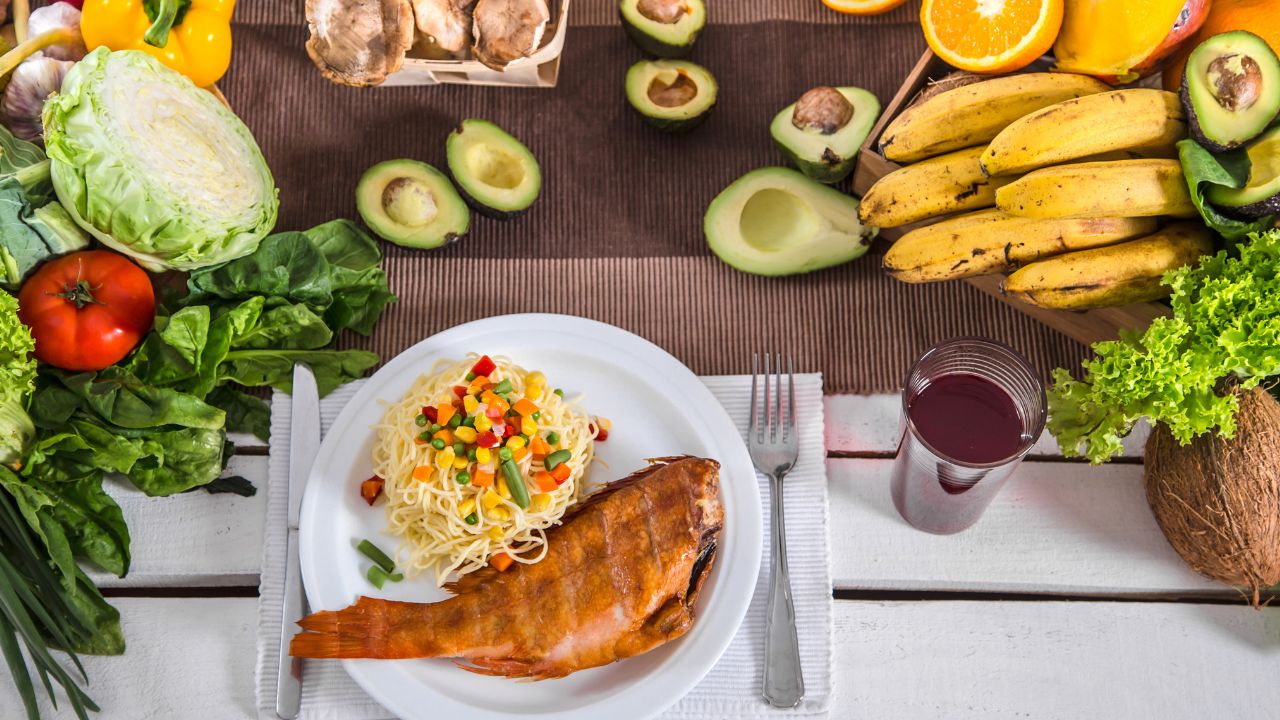
What Are Natural Ozempic Foods?
The term “Natural Ozempic Foods” has gained popularity across social media and nutrition blogs. It refers to foods that naturally stimulate GLP-1, the hormone mimicked by the drug Ozempic. GLP-1 helps slow digestion, reduce appetite, increase fullness, and regulate blood sugar.
Ozempic, known generically as semaglutide, is a prescription GLP-1 receptor agonist used for type 2 diabetes and weight management. By flooding the body with a synthetic version of GLP-1, it produces strong appetite suppression and significant weight loss.
In contrast, natural GLP-1 foods rich in fiber, protein, healthy fats, and bioactive compounds encourage your body to release its own GLP-1. This effect is gentler but scientifically proven. Studies show that diet directly influences how much GLP-1 your gut produces and how long it remains active in the bloodstream.
The difference lies in scale. Medication delivers powerful, rapid results, while food-based stimulation is modest and gradual. Consistency is key: eating GLP-1 boosting foods regularly can support sustainable weight management, better blood sugar control, reduced cravings, and improved metabolic health without the risks or costs of medication.
In short, natural Ozempic foods offer an evidence-based way to harness your body’s biology for long-term wellness.
How GLP-1 Hormones Control Hunger and Blood Sugar
Before diving into the specific foods, it is worth understanding what GLP-1 does in the body, because the more clearly you understand the mechanism, the more motivated and strategic you will be about incorporating these foods into your daily diet.
What Is GLP-1 and Where Does It Come From?
GLP-1, or glucagon-like peptide-1, is an incretin hormone a type of gut hormone that is secreted in response to nutrient intake, particularly when food enters the small intestine and colon. It is produced primarily by enteroendocrine L-cells located throughout the gastrointestinal tract, with the highest concentrations in the ileum and colon. When you eat, these L-cells detect the presence of nutrients and release GLP-1 into the bloodstream within minutes.
The secretion of GLP-1 is not uniform across all foods. Different macronutrients and micronutrients trigger different amounts of GLP-1 release. In general, dietary fats, proteins, and fermentable dietary fibers are the strongest natural stimulants of GLP-1 secretion. Rapidly digested, highly refined carbohydrates tend to produce minimal GLP-1 output.
read also: Portion Control: The Science-Backed Guide to Eating Smart Without Giving Up Your Favorite Foods.
The Five Key Actions of GLP-1
Understanding what GLP-1 actually does in the body helps explain why eating to boost it can be so transformative:
- Insulin Stimulation: GLP-1 triggers the pancreatic beta cells to release insulin in a glucose-dependent manner meaning it only prompts insulin release when blood sugar is actually elevated. This is why GLP-1-based therapies rarely cause hypoglycemia.
- Glucagon Suppression: GLP-1 suppresses glucagon, a hormone that tells the liver to release stored glucose. By dampening glucagon secretion, GLP-1 helps prevent post-meal blood sugar spikes.
- Gastric Emptying Delay: GLP-1 slows the rate at which food leaves the stomach and moves into the small intestine. This slowed gastric emptying produces prolonged satiety you feel full longer and are less likely to snack between meals.
- Appetite Suppression via the Brain: GLP-1 receptors exist throughout the central nervous system, particularly in the hypothalamus, which regulates hunger and energy balance. When GLP-1 binds to these brain receptors, appetite-stimulating signals are dampened while satiety signals are amplified.
- Reduced Food Reward: Emerging research suggests GLP-1 also affects dopaminergic pathways involved in the reward value of food. People with higher GLP-1 activity tend to experience fewer cravings for high-calorie, high-sugar foods one of the most powerful effects of Ozempic that is now being linked to natural dietary strategies as well.
Why Natural GLP-1 Stimulation Matters for Weight Loss
Even small but consistent increases in natural GLP-1 activity can deliver real metabolic benefits. Research shows that people eating high-fiber, high-protein diets have stronger post-meal GLP-1 responses than those consuming refined carbs. This helps explain why whole-food diets are linked to better weight control and metabolic health, even when calorie intake is similar.
By choosing foods that boost GLP-1, you’re not just “eating healthy” in a general sense you’re working with your body’s appetite-regulating hormones. This targeted approach makes weight management more sustainable and effective over time.
Now, let’s look at the specific foods that deliver these benefits.
Top 20 Natural Ozempic Foods That Boost GLP-1
1. Avocados — The Healthy Fat Powerhouse
Avocados are arguably the most versatile and well-studied natural GLP-1-boosting food available. Their effect is driven primarily by their extraordinary content of monounsaturated fatty acids (MUFAs), particularly oleic acid, as well as their impressive dietary fiber profile.
Dietary fat is one of the most potent stimulants of GLP-1 secretion. When fatty acids from avocado enter the small intestine, they trigger a cascade of signaling molecules including cholecystokinin (CCK) and GLP-1 that powerfully suppress appetite. A medium avocado contains approximately 9–10 grams of fiber, which further enhances GLP-1 release through fermentation in the colon and direct stimulation of L-cells.
But the benefits of avocado go beyond GLP-1. Research published in the Journal of Nutrition found that participants who consumed a whole avocado at lunch reported significantly greater meal satisfaction and reduced desire to eat over the following five hours compared to those who ate a calorically matched control meal. Another study found that avocado consumption led to lower insulin levels and improved insulin sensitivity both hallmarks of better metabolic function.
Avocados provide beta-sitosterol to lower cholesterol and more potassium than bananas for heart health. They’re an ideal GLP-1-boosting staple perfect in salads, on toast with eggs, blended into smoothies, or simply enjoyed with sea salt.
How to Use: Aim for half to one avocado per day. Pair with protein (eggs, fish, legumes) for maximum GLP-1 synergy.
Learn more about : Fibermaxxing: The 2026 Guide to High-Fiber Eating.
2. Eggs — The Protein-Rich GLP-1 Trigger
Eggs are one of the most studied foods in the context of appetite regulation, and the research overwhelmingly supports their role as powerful natural GLP-1 activators. Their primary mechanism is dietary protein specifically, the amino acids released during egg protein digestion, particularly leucine, phenylalanine, and tryptophan, which directly stimulate GLP-1 secretion from intestinal L-cells.
A landmark study published in the International Journal of Obesity found that participants who ate eggs for breakfast consumed significantly fewer calories over the following 24–36 hours compared to those who ate a bagel breakfast with the same caloric value. The egg group also had measurably higher GLP-1 levels and lower ghrelin (the hunger hormone) levels throughout the day.
Each large egg provides about 6 grams of complete protein with all essential amino acids. The yolk adds healthy fats, vitamins A, D, E, K, and choline for brain and liver health. Current research shows egg yolk cholesterol is not a major risk for most healthy individuals.
Eggs are also one of the most affordable, convenient, and bioavailable protein sources available. For GLP-1 optimization, protein quality and completeness matter and eggs score at the very top of the biological value scale.
How to Use: Eat 2–3 eggs for breakfast, ideally paired with vegetables and a source of healthy fat. Avoid pairing with high-glycemic foods like white toast or sugary juices, which can blunt the GLP-1 response.
3. Oats —The Soluble Fiber Champion
Oats deserve a special place in any natural Ozempic foods list because they are one of the richest dietary sources of beta-glucan, a type of soluble fiber with extraordinary GLP-1-stimulating properties.
When beta-glucan reaches the small intestine, it forms a viscous gel that slows nutrient absorption and directly stimulates GLP-1-secreting L-cells. Multiple clinical trials have demonstrated that beta-glucan consumption leads to measurably higher post-meal GLP-1 levels, reduced post-meal blood glucose spikes, and greater satiety compared to equivalent carbohydrate sources without beta-glucan.
A review in the European Journal of Clinical Nutrition found that beta-glucan consistently boosts GLP-1 and improves blood sugar control. One cup of dry oats provides about 4 grams of beta-glucan an amount shown to deliver significant metabolic benefits.
Beyond beta-glucan, oats are also a source of resistant starch (particularly when cooled after cooking), which feeds beneficial gut bacteria and promotes the production of short-chain fatty acids (SCFAs) particularly butyrate that independently stimulate GLP-1 release from colonocytes.
The key is to choose the right oats. Steel-cut or rolled oats are dramatically superior to instant oats in terms of their fiber content, glycemic index, and GLP-1-stimulating potential. Instant oats are processed in a way that breaks down much of the fiber structure, reducing their metabolic benefit.
How to Use: A bowl of steel-cut oats with berries, chia seeds, and a tablespoon of nut butter creates one of the most GLP-1-optimized breakfasts possible. The combination of beta-glucan from oats, polyphenols from berries, omega-3s and fiber from chia, and protein and fat from nut butter creates multiple simultaneous GLP-1-stimulating pathways.
4. Berries — The Low-Sugar Antioxidant Fruit
Berries like blueberries, raspberries, strawberries, and blackberries are nutrient-dense and potent GLP-1 activators. Rich in polyphenols especially anthocyanins they stimulate GLP-1 through multiple pathways. Research in the Journal of Nutritional Biochemistry found that anthocyanin-rich foods boost GLP-1 secretion and improve insulin sensitivity.
The fiber content of berries also contributes significantly. Raspberries are among the highest-fiber fruits available, with approximately 8 grams of fiber per cup. Blackberries contain around 7.6 grams per cup. This fiber is primarily insoluble but includes significant soluble fractions as well, both of which contribute to GLP-1 stimulation.
Berries also have a remarkably low glycemic index typically 25–40 meaning they do not cause the blood sugar spikes that blunt GLP-1 responses. This makes them ideal additions to any meal where you want to maximize the GLP-1 effect without destabilizing blood sugar.
Beyond GLP-1, the polyphenols in berries have been shown to modulate gut microbiome composition in ways that enhance the gut’s capacity to produce GLP-1 over time. This means that regular berry consumption does not just provide an acute GLP-1 boost it actually improves the gut’s long-term GLP-1 secretory capacity.
How to Use: Add a cup of mixed berries to morning oats, Greek yogurt, or smoothies. Frozen berries are just as nutritious as fresh and significantly more affordable year-round.
5. Leafy Greens — The Gut-Friendly Fiber Source
Spinach, kale, Swiss chard, arugula, collard greens this entire category of food deserves far more recognition as natural GLP-1 boosters than it typically receives in popular health discussions. Their GLP-1-stimulating mechanisms are multiple and synergistic.
Leafy greens are powerful GLP-1 boosters thanks to their fermentable fiber, which gut bacteria convert into SCFAs like propionate and butyrate that stimulate GLP-1 secretion. They also contain thylakoids, shown in clinical studies to suppress hunger and raise GLP-1, and are rich in magnesium, a mineral vital for insulin sensitivity and glucose metabolism. Aim for 2–3 handfuls daily add spinach to smoothies, enjoy sautéed kale, or braise collards for a simple, effective GLP-1-activating meal.
6. Lentils and Legumes — The Protein and Fiber Duo
Legumes like lentils, chickpeas, and beans combine two powerful GLP-1 stimulants protein and fiber making them highly effective for appetite control and blood sugar regulation. One cup of lentils delivers 18g protein and 15g fiber, producing a strong GLP-1 response. They also contain resistant starch, which ferments into SCFAs that further boost GLP-1, especially when beans are cooked and cooled. With a low glycemic index, legumes provide steady blood sugar and improved satiety. Research links regular legume intake to better glycemic control, weight loss, and reduced cravings.
How to Use: Incorporate legumes into meals at least 4–5 times per week. Lentil soup, chickpea salads, black bean tacos, hummus as a snack with vegetables the culinary versatility of legumes makes this easy to achieve.
7. Fatty Fish — The Omega-3 Metabolic Booster
Salmon, sardines, mackerel, herring, and trout are among the most nutrient-dense foods on earth, and their GLP-1-boosting properties are increasingly well-supported by research. Their primary active compounds are omega-3 fatty acids specifically EPA (eicosapentaenoic acid) and DHA (docosahexaenoic acid).
Dietary fat is one of the most potent natural stimulants of GLP-1 release, and omega-3 fatty acids appear to be particularly effective. Research published in Appetite found that meals containing EPA and DHA produced significantly higher GLP-1 responses compared to meals with equivalent amounts of other fats. The mechanism involves direct stimulation of L-cells by long-chain fatty acids as they pass through the small intestine.
Beyond GLP-1 stimulation, omega-3 fatty acids have extensive anti-inflammatory properties that improve insulin receptor sensitivity and reduce the low-grade chronic inflammation that underlies obesity, type 2 diabetes, and metabolic syndrome. Chronic inflammation is known to impair GLP-1 signaling so omega-3s effectively improve both GLP-1 production and GLP-1 receptor responsiveness.
Fatty fish is also an excellent source of high-quality complete protein typically 20–25 grams per 100-gram serving which compounds the GLP-1 stimulation effect through amino acid-mediated L-cell activation.
The vitamin D content of fatty fish adds another layer of metabolic benefit. Vitamin D deficiency is strongly associated with insulin resistance and impaired glucose metabolism and supplementing vitamin D has been shown to improve GLP-1 secretion in people with vitamin D insufficiency.
How to Use: Aim for at least 2–3 servings of fatty fish per week. Baked salmon with roasted vegetables, sardines on whole grain crackers, or mackerel in salads are all excellent options.
8. Greek Yogurt — The Probiotic Gut Ally
Full-fat or low-fat Greek yogurt is a uniquely valuable natural GLP-1 food because it combines multiple GLP-1-stimulating components: high-quality protein, beneficial probiotics, and dietary calcium each of which independently contributes to GLP-1 secretion and metabolic health.
Greek yogurt is one of the highest-protein dairy foods available, providing approximately 17–20 grams of protein per 170-gram serving. This protein particularly the whey protein fraction is among the most potent dietary protein GLP-1 stimulants identified in research. Multiple studies have shown that whey protein ingestion produces a rapid, substantial GLP-1 response, making Greek yogurt an excellent choice before meals to reduce overall calorie intake.
The live bacterial cultures (probiotics) in yogurt primarily Lactobacillus and Bifidobacterium strains support a healthy gut microbiome, which is increasingly recognized as a key regulator of GLP-1 production. A healthy gut microbiome produces more SCFAs through fiber fermentation, maintains the health and density of GLP-1-secreting L-cells, and reduces intestinal inflammation that can impair GLP-1 signaling.
Research published in the British Journal of Nutrition found that regular consumption of probiotic-rich dairy foods was associated with improved GLP-1 secretion, better insulin sensitivity, and reduced markers of metabolic syndrome.
How to Use: Choose plain, full-fat or low-fat Greek yogurt without added sugars. Top with berries, chia seeds, and a drizzle of honey for a breakfast or snack that combines multiple GLP-1-activating ingredients. Avoid flavored yogurts, which often contain as much sugar as a candy bar and can blunt the metabolic benefits.
9. Nuts and Seeds — The Slow-Digesting Snack
Nuts and seeds like almonds, walnuts, pistachios, pecans, sunflower, pumpkin, and flaxseed are excellent GLP-1 foods thanks to their mix of healthy fats, protein, and fiber, which create a prolonged appetite-regulating response. Studies show almonds and other nuts boost GLP-1 and reduce calorie intake compared to carb snacks. They also supply phytosterols, polyphenols, and omega-3s (especially in walnuts) that support gut and metabolic health. Since they’re calorie-dense, limit intake to 1–2 ounces daily. Enjoy a handful as a snack, add flaxseed to smoothies, or use nut butter with fruit or whole grains.
How to Use: Keep a portion-controlled handful of mixed nuts as a snack, add ground flaxseed to smoothies and oatmeal, or use nut butter as a fat and protein addition to fruit or whole grain crackers.
10. Sweet Potatoes — The Fiber-Rich Complex Carb
Sweet potatoes often get unfairly lumped in with less nutritious starchy vegetables, but they are actually excellent natural Ozempic foods when prepared appropriately. Their GLP-1-stimulating properties come primarily from their dietary fiber content, resistant starch, and unique polyphenol profile.
A medium sweet potato contains approximately 4 grams of fiber, including significant amounts of pectin a soluble fiber that forms a gel in the digestive tract, slows gastric emptying, and directly stimulates GLP-1 secretion from intestinal L-cells. Sweet potatoes also contain resistant starch, particularly when cooked and cooled, which further supports colon-based GLP-1 production.
Sweet potatoes are uniquely rich in beta-carotene (the precursor to vitamin A) and anthocyanins (in purple varieties), both of which have anti-inflammatory properties that improve insulin sensitivity and support metabolic health. Research has shown that the polyphenols in sweet potatoes help modulate blood sugar response and reduce postprandial glucose spikes.
Compared to regular white potatoes, sweet potatoes have a somewhat lower glycemic index especially when boiled rather than baked and a more complex nutrient profile. Pairing sweet potatoes with protein and fat (for example, with black beans and avocado) dramatically lowers the glycemic impact and further enhances GLP-1 response.
How to Use: Choose boiled or steamed sweet potatoes over baked to minimize glycemic impact. Allow them to cool before eating to maximize resistant starch content. Pair with a protein source and healthy fat for optimal GLP-1 synergy.
11. Apple Cider Vinegar — The Blood Sugar Stabilizer
Apple cider vinegar (ACV) supports GLP-1 activity by slowing gastric emptying, improving insulin sensitivity, and reducing post-meal blood sugar. Its acetic acid and polyphenols enhance satiety, gut health, and GLP-1 secretion. While not a miracle cure, ACV is a useful, accessible addition to a natural Ozempic food strategy.
How to Use: Mix 1–2 tablespoons in a large glass of water and drink before meals. Never consume undiluted the acidity can damage tooth enamel and irritate the esophagus.
12. Fermented Foods — The Microbiome Enhancer
Fermented foods like kimchi, sauerkraut, kefir, miso, tempeh, and kombucha enhance GLP-1 activity by improving gut microbiome diversity. A healthy microbiome boosts GLP-1 secretion, appetite control, and metabolic health. Research shows fermented diets increase beneficial bacteria, reduce inflammation, and support gut-derived neurotransmitters like serotonin, further aiding appetite and mood.
How to Use: Incorporate at least 1–2 servings of fermented foods daily. Kimchi or sauerkraut as a side with any meal, kefir in smoothies, or miso soup are all convenient options.
13. Olive Oi — l The Mediterranean Metabolism Booster
Extra virgin olive oil (EVOO) is the cornerstone of the Mediterranean diet consistently ranked as one of the healthiest dietary patterns in the world and its GLP-1-stimulating properties help explain why Mediterranean-style eating is so effective for weight management and metabolic health.
EVOO’s primary GLP-1 mechanism involves its high content of oleic acid (the same MUFA found in avocados), which directly triggers fat-sensing receptors (GPR119 and GPR40) in the small intestinal L-cells, prompting GLP-1 release. A clinical trial published in Diabetes Care found that consuming olive oil with a meal produced significantly higher GLP-1 responses compared to equivalent amounts of saturated fat.
EVOO is also extraordinarily rich in polyphenols particularly oleocanthal, oleuropein, and hydroxytyrosol which have powerful anti-inflammatory and antioxidant properties. These polyphenols support gut microbiome health, reduce intestinal inflammation, and improve insulin receptor sensitivity all of which enhance the body’s GLP-1 response system.
The key is quality. Extra virgin olive oil contains dramatically higher polyphenol concentrations than refined olive oil or “light” olive oil. Look for early-harvest, cold-pressed varieties with a slightly bitter, peppery finish the bitterness indicates high oleocanthal content, which is the most potently anti-inflammatory polyphenol in EVOO.
How to Use: Use 2–4 tablespoons of EVOO per day as your primary cooking oil and salad dressing base. Drizzle generously over cooked vegetables, use in vinaigrettes, and add to soups and grain dishes.
14. Chia Seed — The Tiny Fiber Bomb
Chia seeds are one of the most concentrated sources of dietary fiber in the entire food supply, and their GLP-1-boosting potential is proportional to that fiber density. Just two tablespoons of chia seeds provide approximately 10 grams of fiber approximately 35% of the recommended daily intake for most adults.
The fiber in chia seeds is primarily soluble fiber that absorbs up to 12 times its weight in water, forming a viscous gel in the digestive tract that slows gastric emptying, prolongs nutrient absorption, and directly stimulates GLP-1-secreting L-cells as it passes through the intestines. This gel-forming property is the same mechanism exploited by soluble fiber supplements used in clinical weight management programs.
Chia seeds are also rich in alpha-linolenic acid (ALA) the same plant-based omega-3 fatty acid found in walnuts which contributes additional GLP-1 stimulation through fat-sensing pathways. They also provide 5 grams of protein per two-tablespoon serving, adding a third GLP-1-activating mechanism.
Multiple clinical studies have demonstrated that chia seed supplementation improves glycemic control, reduces appetite, and increases satiety in overweight adults. A study in the European Journal of Clinical Nutrition found that chia seed consumption significantly reduced post-meal blood glucose spikes and increased self-reported fullness compared to control meals.
How to Use: Add two tablespoons to smoothies, oatmeal, yogurt, or salad dressings. Make chia pudding by soaking in almond milk overnight a convenient, high-fiber meal prep option.
15. Broccoli and Cruciferous Vegetables
Broccoli, cauliflower, Brussels sprouts, cabbage, and kale (also covered under leafy greens) form a nutritionally extraordinary group of vegetables that support GLP-1 activity through several distinct pathways.
Cruciferous vegetables are rich in glucosinolates sulfur-containing compounds that are converted by gut bacteria into isothiocyanates and indoles, which have potent anti-inflammatory and gut-protective effects. These compounds support the health and density of GLP-1-secreting enteroendocrine cells, effectively improving the gut’s long-term capacity to produce GLP-1.
Broccoli contains sulforaphane, arguably the most extensively studied dietary compound for metabolic health. Research has shown that sulforaphane activates Nrf2, a transcription factor that regulates the body’s antioxidant response and reduces oxidative stress a key driver of insulin resistance and impaired GLP-1 signaling.
Cruciferous vegetables are also excellent sources of dietary fiber (3–5 grams per cup) and provide substantial amounts of vitamins C, K, and folate, as well as chromium — a trace mineral that enhances insulin sensitivity. Their low calorie density makes them ideal for adding volume and satiety to meals without excessive calorie intake.
How to Use: Include broccoli, cauliflower, or Brussels sprouts in at least one meal per day. Light steaming (3–4 minutes) preserves the highest sulforaphane content. Pair with olive oil and garlic for a simple, delicious side dish.
16. Turmeric — The Anti-Inflammatory Spice
Turmeric supports GLP-1 activity mainly through its anti-inflammatory compound curcumin, which improves insulin sensitivity, lowers cytokines that impair GLP-1 signaling, and enhances gut health. Research shows curcumin reduces blood sugar, insulin resistance, and inflammation, while also protecting GLP-1-secreting cells. For best absorption, pair turmeric with black pepper or healthy fats.
How to Use: Add half a teaspoon of turmeric with a pinch of black pepper to scrambled eggs, soups, rice dishes, smoothies, or the increasingly popular golden milk (turmeric, milk, ginger, and honey).
17. Green Tea — The Metabolism-Boosting Drink
Green tea is one of the most comprehensively studied natural Ozempic beverages, and its metabolic benefits are firmly grounded in evidence. Its primary active compounds are EGCG (epigallocatechin gallate) and other catechins, polyphenols with a wide range of metabolic effects.
Research has shown that EGCG stimulates GLP-1 secretion directly from intestinal L-cells, improves insulin sensitivity, and enhances fat oxidation. A meta-analysis published in the American Journal of Clinical Nutrition found that green tea catechin consumption was associated with significant reductions in body weight, waist circumference, and fasting blood glucose outcomes consistent with enhanced GLP-1 activity.
Green tea’s l-theanine content adds another benefit: this amino acid promotes a state of calm alertness that reduces stress-related cortisol elevation, which in turn reduces stress-induced eating (a major contributor to weight gain that prescription GLP-1 agonists are now being investigated for their ability to address).
Green tea also contains caffeine at a moderate level enough to enhance thermogenesis and fat oxidation without the cardiovascular stress of excessive coffee consumption. The combination of caffeine and EGCG creates a synergistic effect on metabolic rate.
How to Use: Drink 2–3 cups of quality green tea (especially matcha or sencha varieties) daily, ideally before or with meals. Avoid adding sugar, which blunts the metabolic benefits.
18. Apples — The Pectin-Rich GLP-1 Supporter
“An apple a day keeps the doctor away” may have more metabolic truth to it than the folk wisdom suggests. Apples are uniquely rich in pectin a soluble fiber found in the skin and flesh that has specific, well-documented GLP-1-stimulating properties.
Pectin forms a highly viscous gel in the digestive tract that significantly slows gastric emptying and nutrient absorption directly mimicking one of the key mechanisms of prescription GLP-1 agonists. A study published in Nutrition Research found that pectin supplementation significantly increased post-meal GLP-1 levels and reduced subsequent food intake in overweight adults.
Apples also contain quercetin and chlorogenic acid polyphenols with anti-inflammatory and anti-diabetic properties that support insulin sensitivity and reduce oxidative stress in GLP-1-secreting cells. The combination of pectin and polyphenols makes apples a genuinely multi-mechanistic natural GLP-1 food.
It is important to eat apples whole rather than juiced the fiber structure is what drives the GLP-1 effect, and juicing removes the fiber while concentrating the sugar.
How to Use: Eat one whole apple (with skin) as a snack, ideally paired with almond butter or Greek yogurt to combine fiber, protein, and healthy fat.
19. Dark Chocolate — The Surprising Metabolic Ally
Dark chocolate (70% cacao or higher) is one of the more surprising entries on this list, but its inclusion is scientifically justified. The bioactive compounds in high-quality dark chocolate particularly flavanols, theobromine, and phenylethylamine have measurable effects on GLP-1 activity and metabolic health.
Research published in the Journal of Nutritional Biochemistry found that cocoa flavanols increased GLP-1 secretion, improved insulin sensitivity, and reduced post-meal blood glucose levels. A separate study found that dark chocolate consumption before a meal reduced subsequent calorie intake by approximately 17% compared to milk chocolate or white chocolate.
Dark chocolate also contains prebiotic fiber that supports beneficial gut bacteria, and its high magnesium content (70% of daily needs per 100g serving) improves insulin receptor sensitivity a critical cofactor for GLP-1 effectiveness.
The key is choosing chocolate with 70–85% cacao content or higher. Below 70%, the sugar and fat content dominates and negates the metabolic benefits. Look for products with minimal added ingredients ideally just cacao, cocoa butter, and a small amount of sugar.
How to Use: One to two squares (about 10–20g) of 70%+ dark chocolate as an after-meal treat can actually support your GLP-1 goals while satisfying sweet cravings — a win-win.
20. Cinnamon — The Blood Sugar Balancer
Cinnamon concludes our list of top natural Ozempic foods, and it is a deserving final entry. Ceylon cinnamon (also called “true cinnamon”) contains a unique compound called cinnamaldehyde and a range of polyphenols that have multiple documented effects on blood sugar metabolism and GLP-1 activity.
A meta-analysis published in Diabetes Care found that cinnamon supplementation significantly reduced fasting blood glucose, total cholesterol, and triglycerides in people with type 2 diabetes. Research specifically investigating GLP-1 mechanisms found that cinnamon polyphenols improved the expression of GLP-1 receptors and enhanced GLP-1’s downstream signaling in pancreatic beta cells.
Cinnamon also slows gastric emptying and improves insulin sensitivity by mimicking some of insulin’s signaling actions effects that compound the GLP-1 benefits. As a practical matter, adding cinnamon to high-carbohydrate meals can meaningfully reduce their glycemic impact.
Note that Ceylon cinnamon is strongly preferred over Cassia cinnamon (the type most commonly sold in supermarkets). Cassia contains high levels of coumarin, a compound that can be toxic to the liver in high doses. Ceylon cinnamon has minimal coumarin and is the appropriate choice for daily use.
How to Use: Add half a teaspoon of Ceylon cinnamon to oatmeal, smoothies, coffee, yogurt, or baked goods daily.
read also: The Gut-Brain Connection: How Your Microbiome Controls Your Mind.
How to Build a Natural Ozempic Diet Plan
Now that you understand the individual foods and their mechanisms, the next step is understanding how to combine them into a coherent dietary strategy that maximizes GLP-1 activity throughout the day.
The key principles of a natural Ozempic diet plan are:
Prioritize Protein at Every Meal
Protein is the single most powerful macronutrient for GLP-1 stimulation. Aim for 25–40 grams of high-quality protein at each of your main meals. Good sources include eggs, Greek yogurt, fatty fish, legumes, nuts and seeds, and high-quality dairy.
Distributing protein evenly across meals rather than concentrating it at dinner (which is the most common pattern in Western diets) maintains elevated GLP-1 levels throughout the day and reduces inter-meal hunger.
Pair Every Carbohydrate with Fiber, Fat, or Protein
Simple carbohydrates consumed alone cause rapid blood glucose spikes followed by crashes a cycle that disrupts GLP-1 signaling and drives hunger. Always pair carbohydrate foods with fiber (vegetables, legumes), fat (olive oil, avocado, nuts), or protein (eggs, fish, yogurt) to slow digestion and extend GLP-1 response.
Build Gut Microbiome Diversity
The gut microbiome is your body’s GLP-1 production infrastructure. A diverse, well-nourished microbiome produces more SCFAs, which directly stimulate GLP-1 secretion. To build microbiome diversity, eat a wide variety of plant foods (aim for 30+ different plants per week including vegetables, fruits, legumes, whole grains, nuts, seeds, and herbs), incorporate fermented foods daily, and minimize ultra-processed foods that disrupt microbiome composition.
Eat in a Consistent Window
Research on time-restricted eating suggests that confining your eating to a 10–12 hour window (for example, 8am to 6pm or 7am to 7pm) can improve GLP-1 circadian rhythmicity, enhance insulin sensitivity, and support weight management. This does not require extreme fasting even a moderate eating window significantly improves metabolic hormone function compared to grazing throughout a 16-hour or longer period.
Minimize GLP-1 Disruptors
Certain dietary patterns actively suppress GLP-1 secretion and should be minimized:
- Ultra-processed foods manufactured snacks, fast food, and packaged meals that contain little fiber, low-quality protein, and large amounts of refined carbohydrates and seed oils
- Sugary drinks sodas, fruit juices, and sweetened coffees create rapid glucose spikes without triggering meaningful GLP-1 responses
- Excess alcohol impairs gut microbiome health, disrupts hormonal signaling, and is metabolized preferentially over fat
- Chronic sleep deprivation reduces GLP-1 secretion and upregulates ghrelin (the hunger hormone)
Natural Ozempic Foods vs. Prescription Ozempic: Key Differences
It is important to approach this comparison with complete honesty and clarity. Natural GLP-1-boosting foods and prescription semaglutide (Ozempic/Wegovy) are not equivalent. They operate through the same biological pathway, but at very different magnitudes.
What Prescription Ozempic Does
Semaglutide is a synthetic GLP-1 analogue that has been modified to resist the enzyme DPP-4, which normally degrades GLP-1 within minutes. This modification gives semaglutide a half-life of approximately one week, allowing for weekly injections. The result is a sustained, pharmacological-level GLP-1 receptor activation that produces:
- Average weight loss of 12–15% of body weight over 68 weeks (Wegovy clinical trial data)
- Dramatic reduction in appetite and food cravings
- Significant improvements in blood sugar control
- Reduction in cardiovascular events in high-risk individuals
- Neurological effects on food reward and addictive eating behaviors
These are powerful, clinically meaningful effects that dietary changes alone cannot fully replicate.
read also: Natural Detox Guide : What Science Reveals.
What Natural GLP-1 Foods Can Realistically Achieve
Natural GLP-1-boosting foods produce a gentler, transient GLP-1 response with each meal. The effects are real multiple clinical trials confirm that high-fiber, high-protein, polyphenol-rich diets produce measurably higher GLP-1 levels, better glycemic control, greater satiety, and more successful weight management compared to control diets. However, the magnitude is significantly smaller than prescription therapy.
The advantages of the natural approach are:
- No side effects (nausea, vomiting, and pancreatitis risk are documented with semaglutide)
- No cost beyond regular grocery shopping
- Comprehensive nutritional benefits beyond GLP-1 effects
- Sustainable long-term lifestyle rather than medication dependency
- Protective against nutrient deficiencies that can occur with rapid, medication-driven weight loss
The natural approach is best for those seeking modest weight management, better blood sugar control, fewer cravings, and overall metabolic health without the risks or costs of prescription therapy.
However, people with significant obesity, type 2 diabetes requiring medication, or other serious metabolic conditions should consult a physician, who may recommend GLP-1 therapy. Natural GLP-1 foods are not a substitute for medical care in such cases, but they can serve as a powerful complement or, for many, a sufficient standalone strategy.
Best Meal Plan for Natural GLP-1 Activation
Here is a sample 3-day meal plan designed to maximize GLP-1 activity throughout each day, incorporating the most evidence-backed foods from the above list.
Day 1
Breakfast: Steel-cut oats (1 cup cooked) topped with blueberries, chia seeds, a tablespoon of almond butter, and a sprinkle of cinnamon. Side of 2 boiled eggs.
Morning Snack: Greek yogurt (170g plain, full-fat) with sliced almonds and a drizzle of honey.
Lunch: Large spinach and arugula salad with 150g canned sardines, avocado slices, cherry tomatoes, cucumber, and a dressing of extra virgin olive oil, lemon juice, and ACV. Add a cup of cooked lentils on the side.
Afternoon Snack: 1 apple with 2 tablespoons of natural almond butter.
Dinner: Baked salmon (200g) with steamed broccoli, roasted sweet potato, and a drizzle of extra virgin olive oil and turmeric-black pepper seasoning.
Evening: 1–2 squares of 85% dark chocolate and a cup of green tea.
Day 2
Breakfast: Smoothie: spinach (2 large handfuls), frozen mixed berries (1 cup), avocado (½), Greek yogurt (½ cup), chia seeds (2 tbsp), almond milk, and a pinch of cinnamon.
Lunch: Homemade lentil and vegetable soup (made with red lentils, kale, carrots, celery, turmeric, garlic, and olive oil). Serve with a small portion of sourdough bread.
Afternoon Snack: Handful of mixed nuts (almonds, walnuts, cashews) with a small portion of kimchi.
Dinner: Stir-fried mackerel with bok choy, broccoli, snap peas, and brown rice, dressed with miso paste, ginger, sesame oil, and a splash of ACV.
Day 3
Breakfast: Three-egg omelette with sautéed kale, mushrooms, and feta cheese, cooked in olive oil. Side of sliced avocado.
Lunch: Black bean and sweet potato tacos in whole grain tortillas, topped with shredded cabbage, fresh salsa, Greek yogurt (as sour cream substitute), and fresh cilantro.
Afternoon Snack: Chia seed pudding (chia seeds soaked in coconut milk overnight) topped with raspberries.
Dinner: Baked trout with roasted Brussels sprouts, quinoa salad with chickpeas, cucumber, and olive oil-lemon dressing. Sauerkraut as a side.
Lifestyle Habits That Enhance the Effect of Natural Ozempic Foods
Diet is the foundation, but several lifestyle practices dramatically amplify the GLP-1-boosting effect of these foods and further support the metabolic goals associated with natural Ozempic eating.
Regular Resistance Training
Muscle tissue is a major site of glucose disposal the more muscle you have, the more efficiently your body clears blood glucose after meals. Resistance training also increases GLP-1 receptor density in muscle tissue and improves insulin sensitivity. Even 2–3 sessions per week of moderate resistance training significantly enhances the metabolic effects of a GLP-1-optimized diet.
Adequate Sleep (7–9 Hours per Night)
Sleep deprivation is one of the most potent disruptors of metabolic hormone function. Just one night of reduced sleep significantly decreases GLP-1 levels the following day while dramatically increasing ghrelin effectively counteracting an entire day of optimal GLP-1-supporting eating. Prioritizing sleep is as important as dietary choices for metabolic health.
Stress Management
Chronic psychological stress elevates cortisol, which promotes insulin resistance, visceral fat accumulation, and disrupts gut microbiome composition all of which impair GLP-1 system function. Practices including mindfulness meditation, nature exposure, regular social connection, and gentle exercise like yoga or walking have all been shown to reduce cortisol and support metabolic hormone balance.
Hydration
Adequate water intake supports optimal digestion, nutrient absorption, and gut microbiome health. Aim for at least 8–10 glasses of water daily. Drinking a glass of water before meals also reduces calorie intake by occupying stomach volume and triggering mild stretch receptors that compound the satiety signal.
Mindful Eating
Eating slowly and without distractions away from screens, in a calm environment has been shown to increase GLP-1 response, improve meal satisfaction, and reduce total calorie intake. The GLP-1 signal from eating takes approximately 15–20 minutes to reach the brain, and fast eating often leads to overconsumption before this signal has time to register.
learn more: Weight Loss Programs – Everything You Need to Know.
Common Mistakes to Avoid When Eating for GLP-1
Even with the best intentions, certain common dietary patterns can undermine your natural Ozempic food strategy. Here are the most important pitfalls to avoid:
1. Eating Isolated Carbohydrates: Consuming refined carbohydrates bread, pasta, rice, crackers without pairing them with protein, fiber, or fat produces rapid blood sugar spikes with minimal GLP-1 response. Always pair carbs with a GLP-1-stimulating nutrient.
2. Skipping Breakfast or Eating Low-Protein Breakfasts: Starting the day with a high-sugar, low-protein breakfast (sugary cereal, pastries, fruit juice) sets a hormonal cascade in motion that promotes hunger and cravings all day. A high-protein, high-fiber breakfast is the single most important meal for establishing favorable GLP-1 patterns throughout the day.
3. Chronic Under-eating: Severely restricting calories is counterproductive for GLP-1 optimization. The gut must receive adequate nutrients to stimulate GLP-1 secretion. Extreme calorie restriction also disrupts gut microbiome health and impairs the gut’s long-term GLP-1 production capacity.
4. Over-relying on “Superfoods” While Neglecting Overall Diet Quality: Drinking bulletproof coffee with MCT oil while eating fast food for dinner will not produce meaningful GLP-1 benefits. The strategy only works when applied consistently across the majority of meals.
5. Ignoring Gut Health: Poor gut microbiome health is one of the most common and most underappreciated reasons why GLP-1 dietary strategies underperform. Without addressing microbiome health through fermented foods, diverse plant fiber, and reduction of ultra-processed foods, the gut’s GLP-1 production capacity is inherently limited.
6. Drinking Calories: Liquid calories even from “healthy” sources like fruit juice or smoothies with high sugar content are processed differently than solid food and produce minimal GLP-1 response. Structure your calories as solid, whole foods as much as possible.
Who Should Focus on Natural Ozempic Foods?
Natural GLP-1-boosting foods are appropriate for a wide range of people, but they are especially valuable for:
- People seeking to prevent type 2 diabetes or metabolic syndrome the foods on this list address every component of metabolic syndrome simultaneously
- Individuals experiencing weight gain or difficulty managing appetite the satiety effects of a GLP-1-optimized diet are genuinely meaningful and clinically supported
- Anyone with insulin resistance or pre-diabetes improving GLP-1 function is one of the most effective dietary approaches to reversing early metabolic dysfunction
- People who want to transition off or reduce their reliance on GLP-1 medication under medical supervision
- Athletes and active individuals seeking to optimize body composition and energy management
- Anyone interested in evidence-based preventive nutrition the foods and dietary patterns described in this article are consistently associated with the best long-term health outcomes in epidemiological research
People who should consult a healthcare provider before making significant dietary changes include those with kidney disease (high protein intake requires medical guidance), irritable bowel syndrome (some high-fiber foods may exacerbate symptoms), or those currently on medication for diabetes (dietary changes can affect blood sugar control and medication requirements).
Conclusion
The rise Ozempic and other GLP-1 medications have highlighted how crucial the GLP-1 hormone system is for weight, appetite, and metabolic health. But the key lesson is that your body already has powerful appetite-regulating machinery and food determines how well it works.
Natural Ozempic foods are not hype; they’re a scientifically supported strategy to boost GLP-1 naturally. Foods like avocados, eggs, oats, berries, lentils, fatty fish, and fermented foods suppress appetite, stabilize blood sugar, support gut health, and promote sustainable weight management. They’re affordable, widely available, and nutritionally complete.
The results are gradual, not dramatic. You won’t lose 15% of your body weight in a year from diet alone, but consistent intake of high-fiber, high-protein, polyphenol-rich foods can reduce hunger, steady energy, and make long-term weight control achievable.
Trust the evidence and the process. The natural Ozempic approach isn’t a quick fix it’s about building, meal by meal, a metabolic environment where your body’s own systems can thrive.
Frequently Ask Questions
The best natural foods that boost GLP-1 include avocados, eggs, oats, fatty fish, Greek yogurt, lentils, chia seeds, and berries.
Natural GLP-1 foods are not a substitute for prescription Ozempic in managing type 2 diabetes. While dietary changes can improve blood sugar and may reduce medication needs under medical supervision, this must always be guided by a physician. For people with pre-diabetes or early insulin resistance, however, boosting GLP-1 through diet is a proven, evidence-based way to improve metabolic health and may help prevent progression to type 2 diabetes.
The timeframe for results from eating natural GLP-1-boosting foods depends on the consistency and comprehensiveness of the dietary changes. Most people notice improvements in appetite control and reduction of post-meal cravings within 2–4 weeks of consistently eating a high-fiber, high-protein, polyphenol-rich diet. Measurable improvements in blood sugar control and insulin sensitivity typically appear within 4–8 weeks. Significant weight loss (beyond normal fluctuations) generally requires 3–6 months of consistent dietary practice. This is considerably slower than prescription Ozempic but is a sustainable, side-effect-free approach with lasting metabolic benefits.
The best natural GLP-1-boosting breakfast combines protein, soluble fiber, and healthy fat in a single meal.
Yes, Green tea, kefir, apple cider vinegar, golden milk, and protein smoothies are all natural beverages that support GLP-1 activity.