
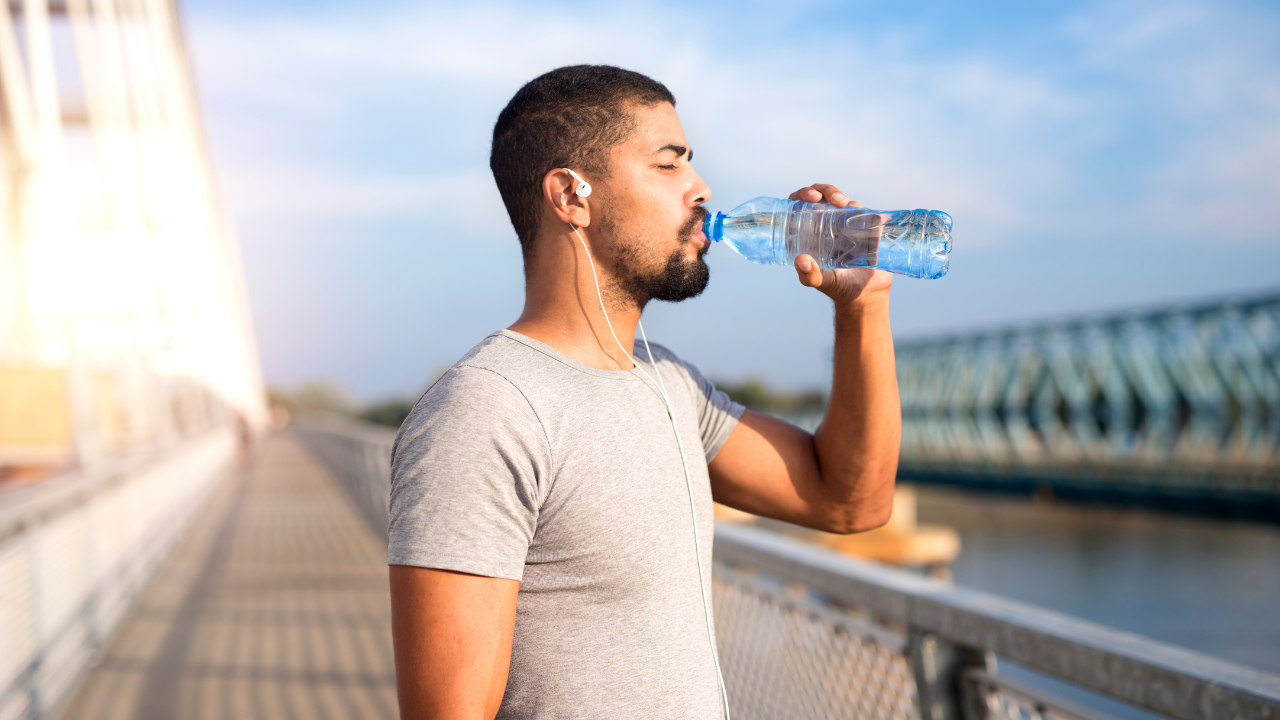
Importance of Hydration: The Key to a Healthy and Energized Life
What Is Hydration and Why Does It Matter?
Hydration refers to the process of providing your body with adequate fluids primarily water to maintain essential bodily functions. Since the human body is made up of approximately 60% water, staying hydrated is not just important it’s vital for survival.
The importance of hydration goes far beyond quenching thirst. It affects your energy levels, brain function, digestion, skin health, and even your mood. Despite its significance, many people underestimate how crucial proper water intake is for maintaining a healthy lifestyle.
In today’s busy world, it’s easy to forget to drink enough water. However, even mild dehydration can negatively impact your physical and mental performance. By understanding hydration and adopting simple habits, you can dramatically improve your overall wellness.
1: The Science of Hydration (Role of Water in the Body)
Why Water Is Essential for Life
Water is the most important nutrient your body needs. It plays a crucial role in almost every biological process.
Key functions of water in the body:
- Regulates body temperature
- Transports nutrients and oxygen
- Removes waste and toxins
- Lubricates joints
- Supports digestion and metabolism
Every cell, tissue, and organ in your body relies on water to function properly.
How Hydration Affects Body Systems
1. Circulatory System
Water helps maintain blood volume, ensuring efficient circulation of oxygen and nutrients.
2. Digestive System
Adequate hydration aids in breaking down food and absorbing nutrients effectively.
3. Nervous System
Your brain depends on proper hydration to function optimally. Even slight dehydration can affect mood and cognitive performance.
4. Muscular System
Muscles require water to function efficiently. Dehydration can lead to cramps and fatigue.
Electrolytes and Fluid Balance
Hydration isn’t just about water it also involves electrolytes like sodium, potassium, and magnesium.
Electrolytes help:
- Maintain fluid balance
- Support nerve signalling
- Regulate muscle contractions
A proper balance of water and electrolytes is essential for overall health and performance.
2: Benefits of Proper Hydration
1. Boosts Energy Levels
One of the most noticeable benefits of hydration is increased energy. Dehydration can cause fatigue and sluggishness.
How hydration helps:
- Improves blood circulation
- Enhances oxygen delivery
- Reduces tiredness
2. Enhances Mental Clarity and Focus
Hydration plays a critical role in brain function.
Benefits for mental health:
- Better concentration
- Improved memory
- Reduced stress and anxiety
To understand how hydration complements diet, visit Nutrition Guide.
3. Supports Immune Function
Proper hydration helps your body flush out toxins and maintain a strong immune system.
Key benefits:
- Reduces risk of infections
- Supports lymphatic system
- Helps fight illnesses
4. Improves Skin Health
Hydrated skin looks healthier, smoother, and more radiant.
Benefits:
- Reduces dryness
- Improves elasticity
- Slows signs of aging
5. Aids Digestion and Metabolism
Water is essential for proper digestion and nutrient absorption.
Benefits include:
- Prevents constipation
- Supports gut health
- Boosts metabolism
6. Supports Fitness and Physical Performance
Hydration is crucial for anyone engaging in physical activity.
Benefits:
- Prevents muscle cramps
- Enhances endurance
- Speeds up recovery
If you’re just starting your health journey, explore Beginner Nutrition Tips to build a strong foundation for a healthier lifestyle.
3: Risks of Dehydration and Common Signs
What Is Dehydration?
Dehydration occurs when your body loses more fluids than it takes in. This imbalance can disrupt normal bodily functions and lead to serious health issues.
Common Signs of Dehydration
Recognizing early signs can help prevent complications.
Symptoms include:
- Dry mouth and lips
- Fatigue and weakness
- Headaches
- Dizziness
- Dark yellow urine
- Reduced urine output
Severe Effects of Dehydration
If left untreated, dehydration can become dangerous.
Potential risks:
- Heat exhaustion or heatstroke
- Kidney problems
- Low blood pressure
- Confusion and cognitive issues
Who Is at Higher Risk?
Certain groups are more vulnerable to dehydration:
- Children
- Older adults
- Athletes
- People working in hot climates
Staying proactive about hydration is essential for these groups.
4: Practical Hydration Tips for a Healthy Lifestyle
Maintaining proper hydration doesn’t have to be difficult. Simple habits can make a big difference.
Daily Hydration Tips
- Drink at least 7–8 glasses of water daily
- Start your day with a glass of water
- Carry a reusable water bottle
- Set reminders to drink water
- Drink water before, during, and after exercise
- Replace sugary drinks with water
Foods Rich in Water
Hydration also comes from food.
Water-rich foods include:
- Watermelon
- Cucumber
- Oranges
- Strawberries
- Lettuce
- Tomatoes
Including these foods in your diet can boost hydration levels.
Healthy Hydration Habits
- Drink small amounts regularly instead of large quantities at once
- Monitor urine color (light yellow indicates good hydration)
- Increase water intake during hot weather
- Stay hydrated while traveling
Sample Daily Hydration Routine
- Morning: 1–2 glasses of water
- Mid-morning: Herbal tea or fruit-infused water
- Afternoon: 2–3 glasses of water
- Evening: 1–2 glasses
Pair your hydration habits with balanced nutrition by checking out Healthy Meal Plans.
5: Hydration for Different Lifestyles and Age Groups
Hydration for Athletes
Athletes lose fluids through sweat and need higher water intake.
Tips:
- Drink before and after workouts
- Use electrolyte drinks for intense exercise
- Monitor hydration levels
Hydration for Working Professionals
Busy schedules often lead to neglecting hydration.
Tips:
- Keep water at your desk
- Take hydration breaks
- Use apps or reminders
Hydration for Children
Children may not recognize thirst cues.
Tips:
- Encourage regular water intake
- Provide water-rich snacks
- Limit sugary drinks
Hydration for Older Adults
Aging reduces the sensation of thirst.
Tips:
- Drink water regularly, even if not thirsty
- Include soups and fluids in meals
- Monitor hydration levels closely
Hydration and Climate
Hot and humid environments increase fluid loss.
Tips:
- Drink more water in summer
- Avoid dehydration during outdoor activities
- Wear light clothing
Conclusion
The importance of hydration cannot be overstated. It is one of the simplest yet most powerful ways to improve your health, energy, and overall well-being. From boosting mental clarity to enhancing physical performance, proper hydration supports every aspect of your life.
The good news is that staying hydrated doesn’t require drastic changes—just small, consistent habits. Start by drinking more water, eating hydrating foods, and being mindful of your body’s needs.
Take action today. Keep a water bottle nearby, set reminders, and make hydration a non-negotiable part of your routine. When you prioritize hydration, you invest in a healthier, more energetic, and more productive version of yourself.
Frequently Ask Question
Most people need about 7–8 glasses daily, but requirements vary based on activity level, climate, and body size.
Yes, but in moderation. Excess caffeine may lead to fluid loss.
Water is essential, but electrolytes and water-rich foods also contribute to hydration.
Drink before, during, and after workouts to maintain fluid balance.