Why Plant-Based Diets Are Trending
Plant-based diets are becoming more popular than ever and for good reason. From improving health to supporting the environment, more people are choosing to reduce or eliminate animal products.
But if you’re just starting out, the idea of changing your eating habits can feel overwhelming.
The good news? You don’t need to be perfect. This beginner vegan guide will help you understand the basics of a plant-based diet, provide practical vegan nutrition tips, and show you how to build healthy, satisfying meals.
Whether your goal is better health, weight management, or ethical eating, this guide will help you take the first step toward a sustainable, healthy lifestyle.
What is Plant-Based Nutrition?
Definition
A plant-based diet focuses on foods that come primarily from plants, including:
- Fruits and vegetables
- Whole grains
- Legumes (beans, lentils, chickpeas)
- Nuts and seeds
- Plant-based oils
It doesn’t always mean 100% vegan but the emphasis is on whole, minimally processed plant foods.
Difference Between Vegan and Vegetarian
Understanding the difference helps you choose what works best for you:
- Vegan diet: Excludes all animal products (meat, dairy, eggs, honey)
- Vegetarian diet: May include dairy and/or eggs but excludes meat
A plant-based diet can fall anywhere along this spectrum, depending on your preferences.
Health Benefits of a Plant-Based Diet
Switching to a plant-based diet offers several scientifically supported benefits.
Heart Health
Plant-based foods are naturally low in saturated fats and high in fibre.
- Helps reduce cholesterol levels
- Supports healthy blood pressure
- Lowers risk of heart disease
Whole foods like oats, beans, and leafy greens are especially beneficial.
Weight Management
A plant-based diet can help you maintain a healthy weight without strict calorie counting.
- High fibre keeps you full longer
- Lower calorie density in whole foods
- Reduces cravings for processed foods
Many people find weight loss becomes easier and more sustainable.
Sustainability
Plant-based eating isn’t just good for you it’s good for the planet.
- Reduces carbon footprint
- Saves water resources
- Minimizes environmental impact
Even small changes, like adding more meat-free meals, can make a difference.
Common Challenges and How to Overcome Them
Starting a plant-based diet comes with a learning curve. Here’s how to handle the most common concerns.
Protein Sources
One of the biggest myths is that plant-based diets lack protein.
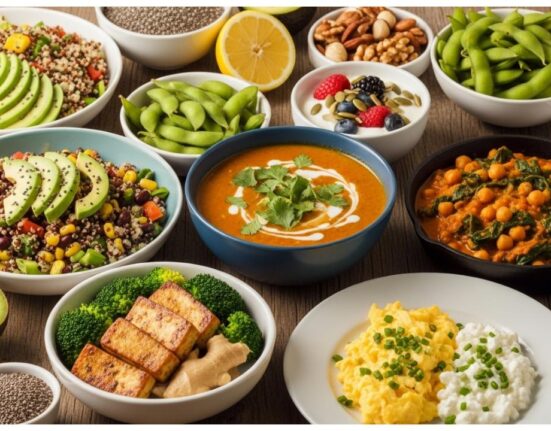
Great sources of plant-based protein include:
- Lentils and beans
- Tofu and tempeh
- Chickpeas
- Quinoa
- Nuts and seeds
Tip: Include a protein source in every meal to stay full and energized.
Vitamin B12
Vitamin B12 is primarily found in animal products, so it’s important to plan for it.
- Use fortified foods (plant milks, cereals)
- Consider a B12 supplement if needed
- Consult a healthcare professional for guidance
Meal Planning
Without a plan, it’s easy to fall back into old habits.
Simple meal planning tips:
- Plan 3–4 days of meals in advance
- Keep pantry staples stocked
- Prep ingredients ahead of time
- Try new recipes weekly
Beginner-Friendly Plant-Based Foods
If you’re new to plant-based eating, start with these simple, nutritious foods:
- Legumes: Lentils, chickpeas, black beans
- Tofu & Tempeh: Versatile protein options
- Quinoa: Complete protein and easy to cook
- Leafy Greens: Spinach, kale, lettuce
- Nuts: Almonds, walnuts, cashews
- Seeds: Chia seeds, flaxseeds, sunflower seeds
Read also: Top 10 Superfoods
Weekly Plant-Based Meal Plan
| Day | Breakfast | Lunch | Dinner | Snack |
|---|---|---|---|---|
| Day 1 | Oatmeal with banana & chia seeds | Quinoa salad with vegetables | Lentil curry with brown rice | Apple with peanut butter |
| Day 2 | Smoothie (spinach, banana, almond milk) | Chickpea salad wrap | Stir-fried tofu with vegetables | Mixed nuts |
| Day 3 | Whole grain toast with avocado | Vegetable soup with beans | Pasta with tomato & lentil sauce | Fruit bowl |
| Day 4 | Overnight oats with berries | Buddha bowl (rice, veggies, chickpeas) | Grilled tofu with salad | Roasted chickpeas |
| Day 5 | Smoothie bowl with fruits & seeds | Lentil salad | Vegetable stir-fry with noodles | Nuts & dates |
| Day 6 | Peanut butter toast with banana | Vegan wrap (hummus & veggies) | Chickpea curry with quinoa | Fresh fruit |
| Day 7 | Oats with almond milk & nuts | Rice with dal & vegetables | Soup with whole grain bread | Trail mix |
Conclusion – Start Your Plant-Based Journey Today
Switching to a plant-based diet doesn’t have to be complicated. Focus on whole foods, plan your meals, and make gradual changes.
Start with simple swaps, explore new flavours, and build habits that fit your lifestyle. Over time, these small steps will lead to lasting results.
A healthy, plant-based lifestyle is not about restriction it’s about nourishment, balance, and sustainability.
Frequently Ask Question
Not necessarily. Staples like beans, rice, lentils, and seasonal vegetables are affordable. Planning meals helps reduce costs.
Focus on plant-based protein sources like legumes, tofu, quinoa, and nuts. Eating a variety of foods ensures adequate intake.
Yes, with proper planning. Ensure they get enough calories, protein, calcium, and vitamins. Consult a nutrition expert if needed.
You may need Vitamin B12 and possibly Vitamin D. It depends on your diet and lifestyle.