
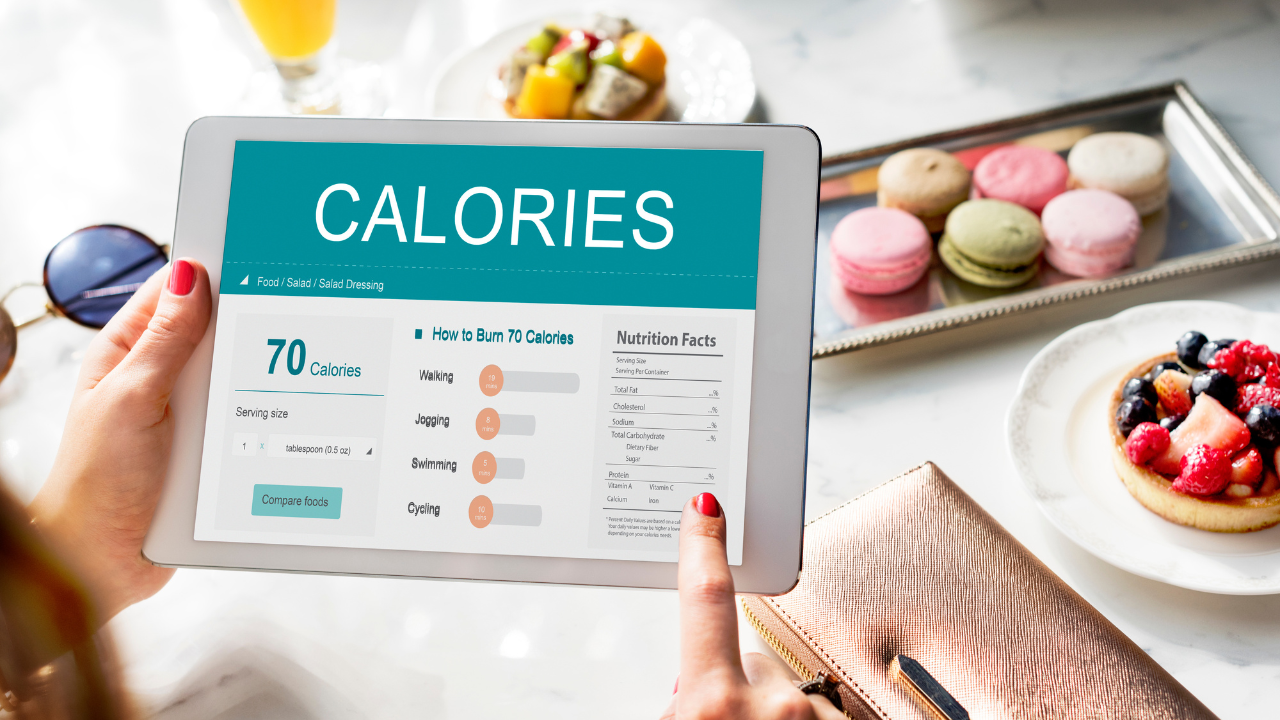
If you’ve ever tried to eat healthier, lose weight, or simply feel more in control of your diet, you’ve probably heard the term calories. But what does it really mean to be calorie aware?
Calorie awareness isn’t about strict dieting or obsessively counting every bite. Instead, it’s about understanding how food fuels your body and making smarter, more informed choices every day.
In today’s world of oversized portions, processed foods, and confusing nutrition advice, learning how to manage your calorie intake can be a game-changer. It helps you:
- Maintain a healthy weight
- Improve energy levels
- Build sustainable eating habits
If you’re new to this, you may also want to explore our guide on to better understand what you’re consuming.
In this practical guide, you’ll learn:
- What calories are and why they matter
- How to estimate your daily needs
- How to control portions without stress
- Simple strategies to eat smarter without dieting
1. What Are Calories and Why Do They Matter?
Understanding Calories in Simple Terms
A calorie is a unit of energy. Your body uses calories to perform every function—from breathing and digestion to walking and exercising.
Think of calories as fuel:
- Too little → low energy
- Too much → weight gain over time
Calories In vs Calories Out
At the core of calorie awareness is a simple concept:
Calories In vs Calories Out
- Calories in = food and drinks you consume
- Calories out = energy your body uses
If you consume:
- More than you burn → weight gain
- Less than you burn → weight loss
- Equal → weight maintenance
Not All Calories Are Equal
While calories measure energy, the source of calories matters.
Example:
- 200 calories from chips = low nutrients
- 200 calories from fruits/nuts = high nutrients
Focus on nutrient-dense foods, not just numbers.
To better understand food quality, read our detailed guide on how to read food labels correctly to identify hidden sugars and unhealthy ingredients.
2. How to Estimate Your Daily Calorie Needs
Understanding how many calories your body needs is essential for smarter eating.
Factors That Affect Calorie Needs
Your daily calorie requirement depends on:
- Age
- Gender
- Weight
- Height
- Activity level
General Daily Calorie Guidelines
While individual needs vary, here are rough estimates:
- Women: 1,800–2,200 calories/day
- Men: 2,200–2,800 calories/day
If you’re trying to lose weight, a small calorie deficit is key.
Simple Way to Start (Without Overthinking)
You don’t need complex formulas.
Start with:
- Eating regular meals
- Observing weight changes
- Adjusting intake gradually
Portion Awareness vs Calorie Counting
Instead of tracking every calorie, focus on:
- Portion sizes
- Hunger signals
- Food quality
This approach is more sustainable long-term.
3. Portion Control: The Key to Calorie Awareness
One of the biggest reasons people overconsume calories is portion distortion.
Why Portion Sizes Matter
Modern portions are often larger than necessary.
Example:
- Restaurant meals = 2–3 servings
- Snack packs = multiple servings
Easy Portion Control Techniques
1. Use the Plate Method
Divide your plate into:
- ½ vegetables
- ¼ protein
- ¼ carbs
2. Eat Slowly and Mindfully
It takes ~20 minutes for your brain to register fullness.
Slower eating = fewer calories consumed
3. Avoid Eating Directly from Packages
Always serve food into a bowl or plate.
4. Learn Visual Portion Cues
- Protein = palm size
- Carbs = cupped hand
- Fats = thumb
For deeper guidance, read our article on portion control tips for beginners.
4. Practical Strategies for Smarter Eating
Now let’s make calorie awareness easy and actionable.
1. Choose Low-Calorie, High-Volume Foods
These foods keep you full with fewer calories:
- Vegetables
- Fruits
- Soups
- Whole grains
2. Reduce Hidden Calories
Watch out for:
- Sugary drinks
- Sauces and dressings
- Processed snacks
These add calories quickly without filling you up.
3. Balance Your Meals
Each meal should include:
- Protein (keeps you full)
- Fiber (supports digestion)
- Healthy fats (sustained energy)
4. Plan Your Meals Ahead
Meal planning helps:
- Avoid overeating
- Reduce junk food consumption
5. Don’t Drink Your Calories
Beverages can be calorie traps.
Example:
- Soda
- Sweetened coffee
- Packaged juices
Choose water, herbal tea, or unsweetened drinks.
6. Be Consistent, Not Perfect
You don’t need to be strict every day.
Focus on:
- Weekly habits
Long-term consistency
Conclusion
Calorie awareness is not about strict rules, extreme dieting, or cutting out all your favourite foods it’s about building a deeper understanding of how food works in your body and using that knowledge to make smarter, more balanced choices every day.
When you become more aware of calories, you start to notice patterns. You recognize which foods keep you full and energized, and which ones leave you feeling sluggish or hungry soon after. Over time, this awareness helps you move away from mindless eating and toward intentional, nourishing habits.
The key takeaway is that small changes matter. You don’t need to track every calorie perfectly or follow a rigid plan to see results. Simply being mindful of portion sizes, reducing hidden calories, and choosing more nutrient-dense foods can have a powerful impact on your health.
It’s also important to remember that consistency is far more valuable than perfection. There will be days when you overeat or make less healthy choices and that’s completely normal. What matters most is getting back on track and maintaining a long-term perspective.
As you continue your journey, try to combine calorie awareness with other healthy habits like reading food labels, planning balanced meals, and listening to your body’s hunger signals. These practices work together to create a sustainable and enjoyable approach to eating.
Ultimately, calorie awareness gives you control not restriction. It empowers you to make decisions that align with your goals, whether that’s weight management, improved energy, or overall well-being.
Start simple. Stay consistent. And remember smarter eating isn’t about doing everything perfectly, but about making better choices, one step at a time.
Frequently Ask Questions
Calorie awareness means understanding how many calories you consume daily and how they impact your body. It is important because it helps you make smarter food choices, maintain a healthy weight, and prevent overeating.
Daily calorie needs vary based on age, gender, activity level, and goals. On average, women need around 1800–2200 calories, while men require 2200–2800 calories. For weight loss, a calorie deficit is necessary.
You can track calories using food labels, mobile apps, or a food diary. Apps like calorie trackers help monitor intake and make it easier to stay within your daily calorie limit.
No, all calories are not equal. Calories from whole foods like fruits, vegetables, and protein-rich foods are more nutritious and filling compared to processed foods with empty calories.
Some easy tips include:
Read food labels carefully
Control portion sizes
Avoid sugary drinks
Eat more whole foods
Plan your meals in advance