
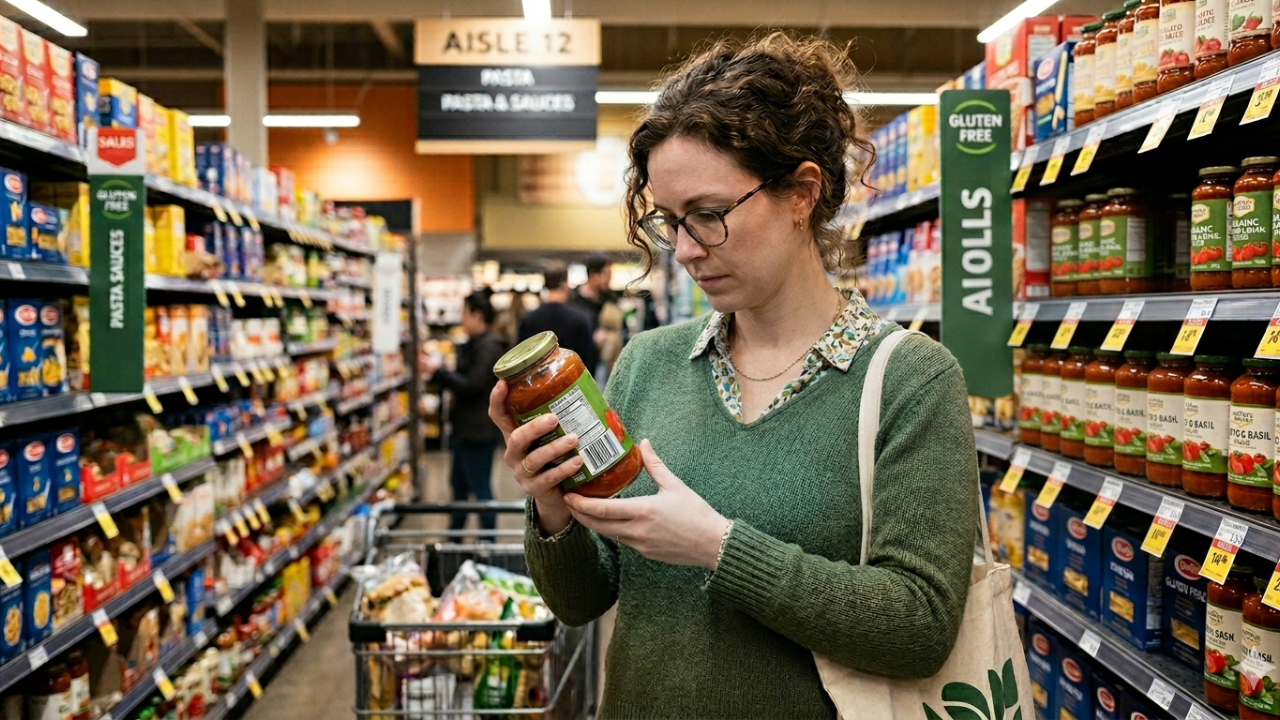
If you’ve ever wondered how to read food labels correctly, you’re not alone. Food packaging can be confusing, filled with buzzwords, numbers, and hidden ingredients that make healthy eating harder than it should be.
The truth is, learning how to understand nutrition labels step by step can completely change the way you shop and eat. Whether your goal is weight loss, clean eating, or simply making better food choices, this skill is essential.
If you’re just getting started, you may also want to explore our guides on healthy eating habits for beginners and balanced diet basics to build a strong foundation.
In this guide, you’ll learn:
- What to look for on a food label
- How to identify added sugar on food labels
- How to avoid misleading food label claims
- Practical tips for smarter grocery shopping
1. How to Read a Nutrition Label Step by Step
Understanding the nutrition facts label explained is your first step toward smarter eating.
What Does Serving Size Mean on Food Labels?
The serving size vs portion size confusion is one of the biggest mistakes beginners make.
The serving size is the standard measurement used for all nutritional values on the label.
Example:
- Serving size: 50g
- Servings per container: 3
If you eat the entire pack, you’re consuming triple the calories and nutrients.
This is crucial if you’re learning how to read food labels for weight loss.
Pro Tip: Always compare serving size with how much you actually eat.
For better control, check our guide on portion control tips.
Calories vs Nutrients: Which Matters More?
Many people focus only on calories but calories vs nutrients is what really matters.
- 200 calories from soda = empty calories
- 200 calories from nuts = nutrient-dense
Focus on nutrient density foods, not just numbers.
Macronutrients Breakdown Made Simple
Understanding macronutrients helps you evaluate food quality quickly.
Good Fats vs Bad Fats on Nutrition Label
- Prefer unsaturated fats
- Limit saturated fats
- Avoid trans fats completely
Learn more in Macronutrients Made Simple: Fuel Your Body the Right Way.
Carbs: Added Sugar vs Natural Sugar on Labels
Not all carbs are equal.
Watch for:
- Added sugars
- Low fibre content
Understanding added sugar vs natural sugar on labels is key to avoiding hidden calories.
Protein: A Key Indicator of Healthy Food
Protein helps with:
- Satiety
- Muscle repair
If you’re looking for better options, read high protein foods
Daily Value Percentage Explained
The daily value percentage explained (%DV) helps you understand nutrient contribution.
- 5% DV or less = low
- 20% DV or more = high
Aim for high fiber, vitamins, and minerals.
2. How to Decode Ingredients List Like a Pro
If you want to truly decode food labels, the ingredients list is your best friend.
Ingredients Are Listed by Weight
The first 3 ingredients define the product.
If sugar or refined flour appears early, it’s a red flag.
How to Identify Added Sugar on Food Labels
Sugar hides under different names:
- Glucose
- Fructose
- Maltose
- Dextrose
- Corn syrup
This is critical when learning how to avoid hidden sugars in food labels.
For deeper insight, read balance diet.
Whole Food vs Processed Food Label Difference
Understanding the whole food vs processed food label difference can simplify decisions.
Choose:
- Short ingredient lists
- Recognizable foods
Avoid:
- Ultra-processed food identification markers
- Artificial additives
Food Additives and Preservatives List
Some additives are safe, but others should be limited:
- Artificial colors
- Flavour enhancers
- Preservatives
When in doubt, follow the clean eating guide approach.
3. Misleading Food Label Claims Explained
Food companies use marketing tactics that can trick you.
Common Food Label Myths
Let’s break down common food label myths:
“Natural”
Does not mean healthy.
“Low Fat”
Often high in sugar.
“Sugar-Free”
May contain artificial sweeteners.
“Multigrain”
Not always whole grain.
How to Spot Fake Healthy Food
If you’re trying to spot fake healthy food, remember:
- The front of the package is marketing
- The back is reality
Ingredient List vs Nutrition Facts Panel
Understanding ingredient list vs nutrition facts panel helps you make better decisions.
- Ingredients = quality
- Nutrition facts = quantity
You need both.
Food Marketing Tricks Explained
Brands may:
- Reduce serving sizes
- Highlight one “healthy” feature
- Hide harmful ingredients
These food marketing tricks explained can mislead even smart shoppers.
4. Practical Tips for Reading Food Labels Quickly
Let’s turn knowledge into action.
The 5-Second Food Label Rule
Use this quick food label checklist:
- Serving size
- Calories
- Added sugar
- First 3 ingredients
This is one of the best label reading hacks for grocery shopping.
Compare Products Before Buying
Never pick the first option.
Compare:
- Sugar content
- Protein levels
- Ingredient quality
This is key for healthy grocery shopping tips.
How to Choose Healthy Packaged Foods
To choose healthy foods from labels:
- Higher protein
- Higher fiber
- Lower sugar
- Fewer ingredients
Build a Balanced Diet Using Labels
Use labels to support your balanced diet plan:
- Protein source
- Fiber-rich carbs
- Healthy fats
Keep It Simple and Sustainable
You don’t need perfection.
Follow these basics:
- Short ingredient list
- Low added sugar
- High nutrient value
Consistency wins.
Conclusion
Learning how to read food labels correctly is one of the most powerful habits you can build for better health.
It helps you:
- Avoid hidden sugars
- Understand what you eat
- Make smarter grocery decisions
Start small:
- Follow the 5-second rule
- Check ingredients
- Compare products
For long-term success, combine this with clean eating, balanced nutrition, and healthy eating habits for beginners.
The next time you shop, don’t just trust the front flip the package and take control.
Frequently Ask Question
Check: Serving size, Calories, Added sugars, Ingredients list
Focus on: Portion size, Calorie density, Protein content, Sugar levels
Avoid: Trans fats, Artificial additives, Excess added sugars
Look for: Long ingredient lists, Chemical names, Preservatives
It’s the standard quantity used to calculate all nutrition values.