
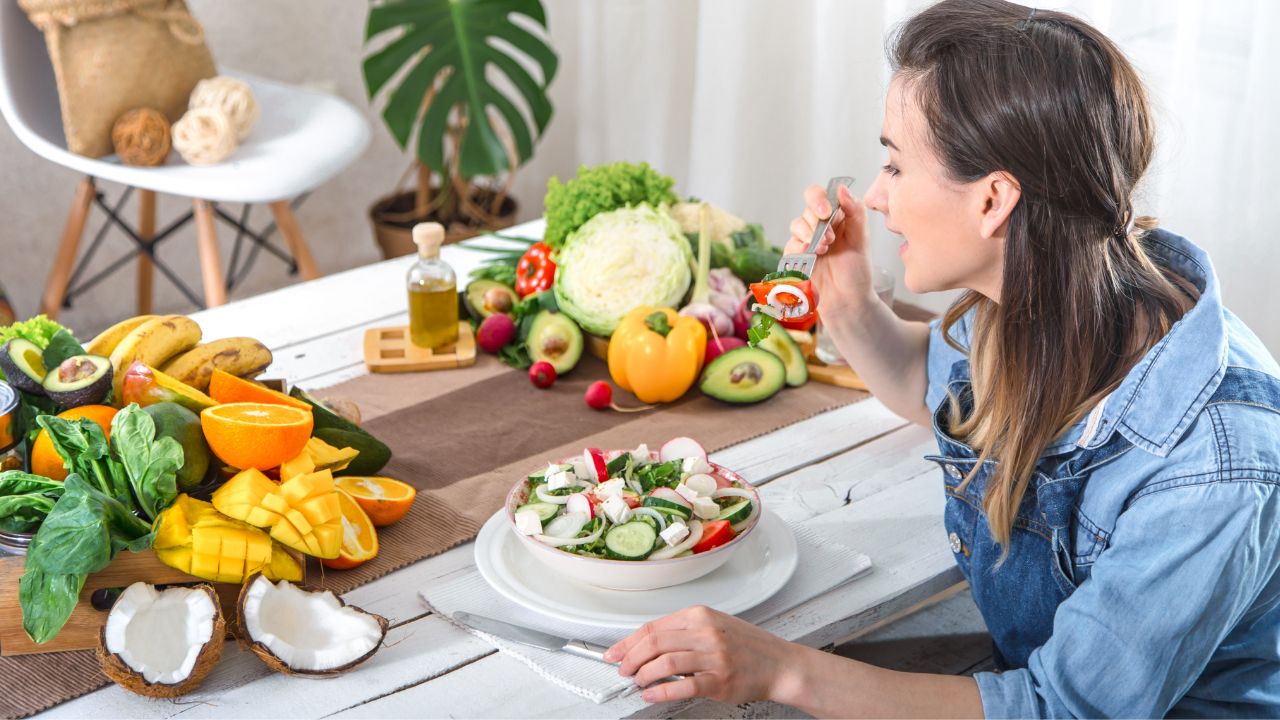
The science of longevity is no longer a mystery. Discover which foods turn back your biological clock and why what you eat today shapes who you are at 80. Aging is inevitable. But how fast you age and how well is profoundly influenced by what you put on your plate every single day. Modern science has moved far beyond the old idea that aging is simply a function of time. We now know that cellular aging, inflammation, oxidative stress, telomere length, and epigenetic expression are all significantly modulated by diet. The foods you eat are not just fuel. They are information biochemical signals that tell your genes whether to accelerate or slow the aging process.
This comprehensive guide explores the most powerful anti-aging foods identified by cutting-edge nutritional science, the biological mechanisms through which they work, the dietary patterns most strongly associated with longevity, and the practical steps you can take to build a genuinely age-slowing eating strategy. Every recommendation here is grounded in peer-reviewed research no fads, no miracle cures, no supplement industry bias.
The Science of Aging: Why Food Is Your Most Powerful Tool
For most of human history, aging was viewed as an immutable biological destiny a countdown timer set at birth. But the science of geroscience and nutritional epigenomics has fundamentally overturned this view. We now understand that the rate of biological aging measurable through telomere length, epigenetic clocks, inflammatory biomarkers, and cellular function varies enormously between individuals with the same chronological age. And diet is one of the most powerful known drivers of that variation.
The landmark Danish Twin Study, one of the most comprehensive analyses of aging determinants ever conducted, found that genetics accounts for only about 25–30% of individual variation in longevity. The remaining 70–75% is attributable to environmental and lifestyle factors with diet ranking among the most significant. This finding has been replicated across multiple study designs and populations. You are not simply at the mercy of your DNA. What you eat every day is actively modulating your aging trajectory.
The Hallmarks of Aging: What Food Directly Affects
Scientists have identified nine core “hallmarks of aging” cellular and molecular processes that drive biological deterioration. Diet directly influences at least seven of them. Understanding these mechanisms helps explain why certain foods have such dramatic effects on how we age.
- Oxidative stress: Reactive oxygen species (free radicals) produced during metabolism damage DNA, proteins, and cell membranes. Antioxidant-rich foods neutralize these damaging molecules.
- Chronic inflammation: Low-grade, persistent inflammation (“inflammaging”) drives virtually every age-related disease. Anti-inflammatory dietary patterns dramatically reduce this process.
- Telomere attrition: Telomeres are protective caps on chromosomes that shorten with each cell division. Diet influences telomere length shorter telomeres correlate with accelerated aging and disease.
- Epigenetic alterations: Dietary compounds directly modify how genes are expressed through methylation and other epigenetic mechanisms, without changing the DNA sequence itself.
- Loss of proteostasis: The accumulation of misfolded proteins in cells is central to conditions like Alzheimer’s disease. Caloric restriction and specific dietary compounds support cellular “housekeeping” mechanisms.
- Deregulated nutrient sensing: Pathways like mTOR, AMPK, and IGF-1 respond directly to the macronutrient composition and caloric density of meals, influencing cellular repair and longevity signaling.
- Gut microbiome dysbiosis: An aging gut microbiome characterized by reduced diversity and increased pro-inflammatory species accelerates systemic aging. Diet is the primary determinant of microbiome composition.
Biological Age vs. Chronological Age: The Key Distinction
Your chronological age is simply how many years you have been alive. Your biological age measured by tools like the Horvath epigenetic clock, the GrimAge clock, or telomere length assays reflects the actual functional state of your cells and tissues. Two people who are both 60 years old chronologically can have biological ages that differ by 20 years or more, based largely on lifestyle and dietary choices made across their lifetimes.
Research using epigenetic clocks has demonstrated that specific dietary interventions can measurably reverse biological age. A 2021 randomized controlled trial published in Aging found that an 8-week dietary and lifestyle program featuring vegetables, fruits, whole grains, lean protein, and specific micronutrients reduced participants’ biological age by an average of 3.23 years compared to controls. These results make the abstract concept of “anti-aging nutrition” concrete and measurable in a way that was simply not possible even a decade ago.
Top 15 Foods That Slow Aging: Evidence-Based Choices
Not all foods marketed as “anti-aging” deserve the label. The foods featured here are backed by multiple converging lines of evidence epidemiological associations, mechanistic studies, and where available, randomized controlled trials. These are the foods that consistently emerge at the top of the longevity research literature.
Read also: Natural Ozempic Foods: GLP-1 Boosting Foods for Weight Loss.
1. Berries: Nature’s Most Potent Anti-Aging Antioxidants
Berries are arguably the most comprehensively studied anti-aging food category in the scientific literature, and their credentials are extraordinary. Blueberries, strawberries, blackberries, raspberries, açaí, and goji berries share a remarkable concentration of anthocyanins polyphenolic compounds that give them their vivid colors and account for much of their biological activity. Anthocyanins are potent antioxidants, but their benefits extend far beyond simple free-radical scavenging.
Mechanistically, anthocyanins cross the blood-brain barrier. They accumulate in brain regions critical for memory and learning. Research published in Annals of Neurology demonstrated that they reduce neuroinflammation, improve synaptic plasticity, and enhance communication between neurons. Berries also activate autophagy the cellular “self-cleaning” process that removes damaged proteins and organelles, and which declines with age. Daily berry consumption is one of the most strongly supported single dietary habits for slowing neurological aging.
Beyond the brain, berries protect the cardiovascular system. Their flavonoids improve endothelial function the ability of blood vessels to dilate and contract properly which declines with age and drives atherosclerosis. A study in Circulation found that women who ate three or more servings of blueberries and strawberries per week had a 34% lower risk of heart attack. The dose-response relationship was clear: more berries meant greater protection. Aim for at least one cup of mixed berries daily. Frozen berries are equally nutritious and often more affordable than fresh.
2. Dark Leafy Greens: The Telomere Protectors
Dark leafy greens kale, spinach, Swiss chard, arugula, collard greens, and romaine are the single food group most consistently linked to healthy aging across the broadest range of biological measures. They protect telomeres, reduce inflammation, support epigenetic health, fuel the gut microbiome, and deliver an unmatched density of anti-aging micronutrients per calorie.
A landmark American Journal of Clinical Nutrition study found that eating one serving of leafy greens daily was linked to cognitive function 11 years younger, thanks to compounds like vitamin K1, lutein, folate, beta‑carotene, and kaempferol.
Folate found abundantly in spinach, asparagus, and romaine is particularly important for epigenetic aging. As a key methyl-group donor, folate is essential for DNA methylation reactions that regulate gene expression. Deficiency in folate is associated with accelerated epigenetic aging and increased cancer risk. Just two cups of raw spinach provide over 30% of the daily folate requirement. Vitamin K1, found in highest concentration in kale and collard greens, is critical for bone health, arterial calcification prevention, and emerging evidence suggests a direct role in cognitive preservation.
3. Fatty Fish: Omega-3s That Lengthen Telomeres
Wild salmon, sardines, mackerel, herring, and anchovies represent one of the most powerful anti-aging food groups available to omnivores. Their extraordinary concentration of long-chain omega-3 fatty acids EPA (eicosapentaenoic acid) and DHA (docosahexaenoic acid) drives benefits that span brain health, cardiovascular function, inflammatory regulation, and telomere maintenance.
The telomere connection is particularly striking. A study published in JAMA Internal Medicine tracked participants over five years and found that those with the highest blood levels of omega-3 fatty acids had telomeres that shortened at a 32% slower rate compared to those with the lowest levels. Telomere shortening is one of the most reliable biological markers of cellular aging. Slowing its rate by nearly one-third through a dietary factor is a result of remarkable magnitude.
EPA and DHA are the most potent dietary anti-inflammatories known to science. They compete with and displace arachidonic acid in cell membranes, reducing the production of pro-inflammatory prostaglandins and cytokines. This systemic anti-inflammatory effect reverberates through every organ system, reducing the chronic low-grade inflammation that drives atherosclerosis, neurodegeneration, metabolic disease, and skin aging. DHA constitutes approximately 40% of the brain’s polyunsaturated fatty acids; it is structurally irreplaceable in maintaining neuronal membrane fluidity, synaptic function, and cognitive performance across the lifespan.
4. Extra-Virgin Olive Oil: Liquid Gold for Longevity
Extra-virgin olive oil (EVOO) is the cornerstone fat of the Mediterranean diet itself the most comprehensively validated dietary pattern for longevity in all of nutrition science. EVOO is far more than a cooking fat. It is a complex phytochemical delivery system containing over 200 biologically active compounds, including oleocanthal, oleuropein, hydroxytyrosol, and squalene.
Oleocanthal has received particular scientific attention. Research by Dr. Paul Breslin and colleagues at Monell Chemical Senses Center demonstrated that oleocanthal inhibits the same inflammatory enzyme (COX) as ibuprofen effectively functioning as a natural anti-inflammatory. Unlike pharmaceutical NSAIDs, oleocanthal is consumed daily through diet in populations with exceptional longevity (Sardinia, Greece, southern Italy) without any of the gastrointestinal or cardiovascular side effects associated with long-term NSAID use.
The PREDIMED trial a landmark randomized controlled trial involving over 7,000 participants demonstrated that supplementing a Mediterranean diet with extra-virgin olive oil reduced cardiovascular events by approximately 30% compared to a low-fat control diet. That is a reduction comparable to many pharmaceutical interventions, achieved through diet alone. EVOO also activates SIRT1 a sirtuin enzyme involved in DNA repair and longevity signaling and supports autophagy through activation of AMPK pathways. Use it generously: 3–4 tablespoons daily is the amount studied in most research showing benefits.
5. Walnuts and Mixed Nuts: Anti-Aging in a Shell
Nuts are one of the most comprehensively studied longevity foods. A 2013 study published in the New England Journal of Medicine involving over 76,000 participants followed for decades found that people who ate nuts daily had a 20% lower risk of death from any cause compared to those who rarely ate nuts. Remarkably, nut eaters were actually leaner on average, confounding the intuitive assumption that calorie-dense nuts would promote weight gain.
Walnuts occupy a particularly privileged position among nuts for their anti-aging profile. They are the only nut with significant alpha-linolenic acid (ALA) content the plant-based omega-3 precursor. A quarter-cup of walnuts provides 2.5 grams of ALA, meeting the daily adequate intake. Walnuts also contain the highest total polyphenol content of any nut, with particularly high concentrations of ellagitannins that are converted by gut bacteria into urolithins compounds with potent anti-inflammatory and mitochondria-supporting properties.
Brazil nuts supply selenium, a trace mineral essential for the antioxidant enzyme glutathione peroxidase.
6. Legumes: The Blue Zones’ Longevity Secret
The Blue Zones research Dan Buettner’s systematic investigation of communities with exceptional rates of centenarians identified legumes as the single most consistent dietary common thread across all five Blue Zones: Sardinia (Italy), Okinawa (Japan), Nicoya (Costa Rica), Ikaria (Greece), and Loma Linda (California). Despite vastly different culinary traditions, all five populations eat legumes beans, lentils, chickpeas, or soybeans as a dietary staple, typically one to two cups per day.
Anti-Aging Mechanisms of Legumes
The anti-aging mechanisms of legumes are multiple and overlapping. Beans deliver extraordinary fiber that feeds gut bacteria producing butyrate, an epigenetic regulator that supports cellular health and lowers cancer risk showing the gut microbiome as a key player in aging biology.
Legumes provide arginine for nitric oxide, supporting vascular health.Resistant starch boosts microbiome diversity, while soy isoflavones support bone density, ease menopausal symptoms, and lower cancer risk in populations with lifelong high intake.
| Category | Food | Key Nutrients/Compounds | Longevity Benefit |
|---|---|---|---|
| Antioxidant | Blueberries | Highest anthocyanin content | Linked to 2.5 years younger cognitive aging in major cohort studies |
| Epigenetic | Kale & Spinach | Vitamin K1, folate, lutein | Associated with 11 years younger cognitive function |
| Omega‑3 | Wild Salmon | EPA + DHA | 32% slower telomere shortening in 5‑year prospective study |
| Polyphenol | Extra‑Virgin Olive Oil | 200+ bioactive compounds incl. oleocanthal | Cornerstone of the world’s most longevity‑validated diet |
| Longevity | Lentils & Beans | Fiber, arginine, resistant starch, prebiotics | Universal Blue Zones staple for healthy aging |
| Healthy Fat | Avocado | Monounsaturated fat, lutein, glutathione | Supports skin elasticity and cardiovascular health |
7. Green Tea: EGCG and the Epigenetic Age Reversal
Green tea is one of the most extensively studied beverages in the anti-aging literature, and its credentials are remarkable. Its primary bioactive compound, epigallocatechin-3-gallate (EGCG), is among the most potent natural epigenetic modulators identified by science. EGCG influences DNA methylation patterns, inhibits histone deacetylases, and modulates multiple signaling pathways involved in cellular aging, including mTOR, Nrf2, and NF-κB.
Epidemiological evidence from Japan the world’s largest green tea consuming nation, and also a nation with exceptional longevity is compelling. A prospective study of 40,000 Japanese adults found that those who drank five or more cups of green tea daily had a 26% lower risk of death from cardiovascular disease compared to those who drank less than one cup per day, and a 16% lower risk of all-cause mortality. Okinawa, Japan’s island prefecture with the world’s highest centenarian rate, has extraordinarily high green tea consumption.
EGCG from green tea activates AMPK and sirtuins, mimicking caloric restriction and supporting DNA repair, stress response, and mitochondrial function; notably, a 2020 trial showed EGCG supplementation reduced epigenetic age, demonstrating dietary‑driven biological age reversal.
Read also: Fibermaxxing: The 2026 Guide to High-Fiber Eating.
More Science-Backed Anti-Aging Foods
The evidence base extends well beyond the foods discussed in detail above.
- Pomegranate: rich in punicalagins, converted by gut bacteria into urolithin A, which activates mitophagy and supports better muscle function with aging. A randomized trial found urolithin A supplementation significantly improved mitochondrial health in older adults.
- Fermented foods (kimchi, kefir, miso, tempeh): Provide live probiotic bacteria that support gut microbiome diversity.A 2021 Stanford study showed that a high‑fermented‑food diet boosted microbiome diversity and lowered inflammation more effectively than fiber alone over 10 weeks.
- Dark chocolate (70%+ cacao): Flavanols in high-cacao chocolate improve endothelial function, reduce blood pressure, and support cerebral blood flow. The COSMOS-Mind trial found that cocoa flavanol supplementation significantly improved cognitive scores in older adults over three years.
- Turmeric with black pepper: Curcumin the active compound in turmeric is a potent NF-κB inhibitor that reduces systemic inflammation. Combined with piperine from black pepper (boosting absorption by 2,000%), turmeric becomes one of the most powerful natural anti‑inflammatory interventions.
- Cruciferous vegetables (broccoli, Brussels sprouts): produce sulforaphane when chewed, activating the Nrf2 pathway the body’s master antioxidant defense system. It also inhibits mTOR signaling, mimicking aspects of caloric restriction.
- Tomatoes (cooked): release concentrated lycopene, the carotenoid with the strongest antioxidant activity, protecting skin from UV damage. Populations eating high quantities of cooked tomatoes Mediterranean cultures show measurably lower rates of skin aging and prostate cancer.
- Garlic and onions: Allicin and quercetin in these allium vegetables reduce blood pressure, improve arterial elasticity, and exhibit potent anti-inflammatory effects. Daily garlic consumption is associated with reduced cardiovascular risk and longevity in multiple studies.
- Flaxseeds: the richest plant source of lignans phytoestrogens that support hormonal balance, reduce breast cancer risk, and help maintain bone density in postmenopausal women.
Two tablespoons daily provide meaningful ALA omega-3 and soluble fiber for microbiome support.
Foods That Fight Skin Aging: Eat Your Way to Younger Skin
The skin is the most visible organ of aging and also one of the most diet-responsive. While topical skincare products can modulate surface appearance, the fundamental structural integrity of skin is determined from within. Collagen density, skin hydration, UV defense, elasticity, and the rate of glycation (a chemical process that hardens and yellows collagen) are all profoundly influenced by what you eat.
Collagen-Supporting Foods: Building From the Inside Out
Collagen is the most abundant protein in the human body and the primary structural component of skin. After age 25, collagen production declines at approximately 1% per year. By age 45, women have typically lost about 30% of their skin collagen. This decline is accelerated by oxidative stress, UV radiation, advanced glycation end-products (AGEs) from dietary sources, and chronic inflammation all of which are modifiable through diet.
Vitamin C is the essential cofactor for the two enzymes (prolyl hydroxylase and lysyl hydroxylase) that stabilize collagen’s triple helix structure. Without adequate Vitamin C, collagen synthesis is impaired. Bell peppers particularly red and yellow are the richest dietary source of Vitamin C, surpassing oranges. Kiwi, strawberries, broccoli, guava, and papaya are other excellent sources. Research has shown that women with higher Vitamin C intakes have measurably fewer wrinkles and less skin dryness in large epidemiological studies.
Bone broth, collagen peptides, and foods containing hydroxyproline (found in animal connective tissue) provide pre-formed collagen building blocks. While the evidence for oral collagen supplementation is growing several randomized controlled trials have shown improvements in skin elasticity and hydration with collagen peptide supplementation the effect of dietary collagen is likely smaller than that of ensuring adequate Vitamin C, zinc, and copper, which are required for endogenous collagen synthesis regardless of dietary collagen intake.
Astaxanthin, Carotenoids, and UV Protection Through Diet
One of the most remarkable functions of certain dietary pigments is their ability to accumulate in skin and provide measurable protection against UV radiation essentially functioning as an internal sunscreen. Carotenoids beta-carotene, lycopene, lutein, zeaxanthin, and astaxanthin all accumulate in skin tissue when consumed regularly and reduce the erythema (redness and damage) response to UV exposure.
Astaxanthin, found in wild salmon, shrimp, and microalgae, is an ultra-potent carotenoid antioxidant up to 6,000× stronger than Vitamin C. A 12-week randomized trial in Nutrients showed supplementation improved skin moisture, elasticity, and texture. Eating wild salmon 2–3 times weekly or using algal supplements provides meaningful levels.
Lycopene in cooked tomatoes has been specifically demonstrated to reduce collagen breakdown caused by UV radiation. A study published in the British Journal of Dermatology found that participants who consumed tomato paste containing 55mg of lycopene daily for 12 weeks had 33% greater protection against UV-induced skin damage compared to controls. Cooking concentrates lycopene and dramatically improves its bioavailability a ripe argument for tomato sauce as an anti-aging beauty food.
Glycation and Advanced Glycation End-Products: The Hidden Agers
Advanced glycation end-products (AGEs) are a category of harmful compounds formed when proteins or fats are exposed to sugars in the absence of water a process called the Maillard reaction. They form both within the body (endogenous AGEs, driven by blood sugar levels and consumption of dietary AGEs) and in foods through high-heat cooking methods like grilling, frying, and broiling.
AGEs cross-link collagen fibers, making them stiff, brittle, and resistant to renewal. This cross-linking is a primary mechanism of visible skin aging reducing elasticity, causing sagging, and producing the yellowing of skin seen in heavy smokers and diabetic patients. AGEs also drive arterial stiffness, lens opacity (contributing to cataracts), and neurodegeneration. Reducing dietary AGE intake by favoring low-heat, moist cooking methods (steaming, poaching, slow-cooking) and reducing sugar consumption is a genuinely underappreciated anti-aging dietary strategy.
Skin-Aging Nutrition Quick Tips
- Eat 2+ cups of colorful vegetables daily for carotenoid skin protection
- Include red/yellow bell peppers or kiwi for collagen-supporting Vitamin C
- Choose wild salmon over farmed for higher astaxanthin content
- Cook tomatoes in olive oil to maximize lycopene bioavailability
- Reduce grilled and fried foods to limit dietary AGE intake
- Stay well hydrated dehydration visibly accelerates skin aging
Anti-Aging Diet Patterns: Beyond Individual Foods
Longevity comes less from single “superfoods” and more from overall dietary patterns proven in long‑term research. The composition of the diet, food relationships, and consistent eating habits matter more than optimizing any one food.
The Mediterranean Diet: The Gold Standard for Longevity
The Mediterranean dietary pattern has more high-quality evidence for longevity and disease prevention than any other dietary approach in nutrition science. It is characterized by abundant vegetables, fruits, legumes, whole grains, nuts, seeds, and extra-virgin olive oil as the primary fat; moderate fish and seafood; low-to-moderate poultry and dairy; minimal red and processed meat; and moderate red wine with meals in social contexts.
The PREDIMED trial demonstrated a 30% reduction in major cardiovascular events. Meta-analyses of prospective cohort studies consistently show 20–25% reductions in all-cause mortality for high Mediterranean diet adherents. Mechanistically, the Mediterranean diet improves all seven of the aging hallmarks it directly influences: it reduces inflammatory biomarkers, protects telomeres, supports gut microbiome diversity, improves insulin sensitivity, reduces oxidative stress, and activates autophagy pathways through its polyphenol content and intermittent mild caloric restriction.
Read also: Olive Oil for Brain Health: The Science-Backed Guide.
The MIND Diet: Specifically Designed to Slow Brain Aging
The MIND diet (Mediterranean-DASH Intervention for Neurodegenerative Delay) was developed by nutritional epidemiologist Dr. Martha Clare Morris at Rush University specifically to slow cognitive aging and reduce Alzheimer’s disease risk. It combines elements of the Mediterranean and DASH diets, with particular emphasis on the foods most strongly linked to brain health in the available evidence.
The MIND diet specifies 10 brain-healthy food groups: leafy greens (6+ servings/week), other vegetables (1+ serving/day), berries (2+ servings/week), nuts (5+ servings/week), olive oil (primary cooking fat), whole grains (3+ servings/day), fish (1+ serving/week), beans (4+ meals/week), poultry (2+ servings/week), and wine (1 glass/day, optional). It also identifies 5 food groups to limit: red meat, butter and margarine, cheese, pastries and sweets, and fried or fast food.
High adherence makes cognitive function 7.5 years younger and cuts Alzheimer’s risk by 53%. Even moderate adherence lowers risk by 35%, showing benefits without perfect compliance. It’s the most evidence‑based diet for preserving brain function with age.
Learn More: The Gut-Brain Connection: How Your Microbiome Controls Your Mind.
Caloric Restriction and Intermittent Fasting: The Longevity Signaling Pathway
Caloric restriction reducing caloric intake by 20–40% without malnutrition is the most robustly reproducible intervention for extending lifespan across virtually every organism studied, from yeast to worms to flies to rodents. The CALERIE trial (Comprehensive Assessment of Long-term Effects of Reducing Intake of Energy) applied this principle to humans in a two-year randomized controlled trial, finding that 25% caloric restriction improved multiple biomarkers of aging including insulin sensitivity, inflammation, blood pressure, and LDL cholesterol and measurably slowed the rate of epigenetic aging.
IIntermittent fasting, especially time‑restricted eating (6–10 hours daily), activates longevity pathways like AMPK, mTOR inhibition, autophagy, and fat oxidation. The 16:8 pattern has the strongest evidence. A 2020 NEJM review concluded its metabolic and cellular effects are “profound and extensive,” rivaling caloric restriction but with better adherence.
Cellular Anti-Aging Mechanisms: How Food Works at the Molecular Level
Understanding why certain foods slow aging requires going beyond their nutrient content to the signaling pathways and molecular mechanisms through which dietary compounds communicate with our cells. This is the emerging science of nutrigenomics the study of how food interacts with our genome and it is transforming our understanding of nutrition’s role in aging.
Sirtuins, NAD+, and the Longevity Gene Network
Sirtuins are a family of seven proteins (SIRT1-SIRT7) that regulate cellular health, DNA repair, inflammation, metabolism, and stress response. They require NAD+ (nicotinamide adenine dinucleotide) as a cofactor to function, and NAD+ levels decline precipitously with age by approximately 50% between ages 40 and 60. This NAD+ depletion is now understood as a major driver of the cellular dysfunction that characterizes aging.
Several dietary compounds directly support the sirtuin-NAD+ axis. Resveratrol found in red grape skins, red wine, peanuts, and mulberries was among the first compounds identified as a SIRT1 activator, though subsequent research has shown that its effects in humans are more complex than simple direct activation. NMN (nicotinamide mononucleotide) and NR (nicotinamide riboside), precursors to NAD+, are found in small quantities in foods like edamame, broccoli, and cucumber though meaningful amounts typically require supplementation. Quercetin, found in apples, onions, and berries, is a potent SIRT1 activator with strong anti-inflammatory properties.
Autophagy: The Cellular Recycling System That Declines With Age
Autophagy literally “self-eating” in Greek is the cellular process by which damaged or dysfunctional proteins, organelles, and cellular debris are degraded and recycled. It is essentially the cellular equivalent of housecleaning, and its disruption is central to the pathology of virtually every age-related disease, including Alzheimer’s, Parkinson’s, cancer, and cardiovascular disease. The 2016 Nobel Prize in Physiology or Medicine was awarded to Yoshinori Ohsumi specifically for his discoveries of the mechanisms underlying autophagy.
Autophagy is activated by fasting, caloric restriction, and specific dietary compounds. EGCG (green tea), sulforaphane (crucifers), resveratrol (grapes), spermidine (wheat germ, fermented foods), and curcumin (turmeric) each activate autophagy through complementary pathways. Notably, a Nature Medicine study linked higher spermidine intake to reduced all‑cause mortality over 20 years in 800+ adults.
Spermidine is found in particularly high concentrations in wheat germ, aged cheese, mushrooms, soybeans, peas, and amaranth.
Essential Anti-Aging Nutrients: Your Molecular Defense Team
While whole food patterns are paramount, understanding specific anti-aging nutrients helps identify potential gaps and optimize food choices within an overall healthy dietary pattern.
| Nutrient | Anti-Aging Role | Best Food Sources | Daily Target |
| Vitamin C | Collagen synthesis, antioxidant, immune support | Bell peppers, kiwi, strawberries, broccoli | 500–1,000mg |
| Vitamin E | Cell membrane protection, immune function | Almonds, sunflower seeds, avocado, olive oil | 15mg (22 IU) |
| Vitamin K1 & K2 | Bone density, arterial calcification prevention | Kale, spinach (K1); natto, aged cheese (K2) | 90–120mcg K1 |
| Folate | DNA methylation, epigenetic health | Spinach, lentils, asparagus, avocado | 400–600mcg DFE |
| Omega-3 (EPA+DHA) | Telomere protection, brain health, anti-inflammatory | Salmon, sardines, mackerel, algal oil | 250–500mg |
| Zinc | DNA repair, immune function, wound healing | Pumpkin seeds, oysters, lentils, cashews | 8–11mg |
| Magnesium | DNA repair cofactor, telomere maintenance | Dark chocolate, pumpkin seeds, spinach | 320–420mg |
| Selenium | Glutathione peroxidase activation, thyroid health | Brazil nuts (2/day), tuna, sardines | 55mcg |
| Lutein + Zeaxanthin | Eye health, UV protection, brain function | Kale, spinach, egg yolks, corn | 6–10mg |
| Lycopene | Skin UV protection, prostate health | Cooked tomatoes, watermelon, red peppers | 10–30mg |
Foods That Accelerate Aging: What to Minimize
Understanding anti-aging nutrition requires not just knowing what to eat more of, but what dietary patterns actively accelerate biological aging. Several categories of foods have strong mechanistic and epidemiological evidence for pro-aging effects primarily through promoting chronic inflammation, oxidative stress, insulin resistance, telomere shortening, and AGE formation.
Ultra-Processed Foods: The Single Biggest Pro-Aging Dietary Factor
Ultra-processed foods industrial formulations with little or no whole food content are the dietary pattern most consistently associated with accelerated aging across the broadest range of outcome measures. A 2023 study published in The American Journal of Clinical Nutrition using epigenetic clock analysis found that higher ultra-processed food consumption was directly associated with accelerated biological aging, independent of overall diet quality and other lifestyle factors. Each 10% increase in ultra-processed food intake was associated with a measurable increase in biological age.
Ultra‑processed foods disrupt the gut microbiome, fuel inflammation, drive insulin resistance, displace whole foods, and encourage overeating now making up 57% of adult and 67% of children’s calories in the U.S.
Added Sugar: Glycation, Inflammation, and Mitochondrial Damage
Added sugar accelerates aging through at least three distinct mechanisms. First, excess dietary sugar drives the formation of AGEs the collagen-cross-linking compounds that stiffen skin, arteries, and the lens of the eye. High blood glucose levels, sustained by diets rich in added sugar and refined carbohydrates, dramatically accelerate endogenous AGE formation. Second, sugar drives chronic inflammation through multiple pathways, including activation of NF-κB and production of pro-inflammatory cytokines. Third, excess fructose specifically drives mitochondrial dysfunction impairing the cellular energy factories whose decline is central to aging.
Processed and Red Meat: The Pro-Inflammatory Protein Source
Processed meats bacon, sausage, hot dogs, deli meats are classified by the World Health Organization as Group 1 carcinogens for colorectal cancer. Red meat is classified as Group 2A (probably carcinogenic). Beyond cancer risk, high consumption of red and processed meat is associated with accelerated biological aging through multiple mechanisms: heme iron promotes oxidative stress and intestinal carcinogenesis; nitrite preservatives in processed meats form carcinogenic nitrosamines; trimethylamine N-oxide (TMAO) produced by gut bacteria from L-carnitine in red meat drives arterial inflammation; and high leucine content stimulates mTOR beneficial for muscle protein synthesis but potentially accelerating cellular senescence when chronically elevated.
Anti-Aging Meal Plan: A Week of Longevity Eating
Translating science into practice requires a concrete framework. The following sample day illustrates how to incorporate the major anti-aging food categories into an enjoyable, varied, and practical eating pattern without turning meals into a nutritional optimization exercise that takes the joy out of eating.
Anti-Aging Day — Meals at a Glance
- Breakfast: Overnight oats with blueberries, ground flaxseed, walnuts, and a drizzle of raw honey. Green tea or coffee.
- Mid-Morning: A small handful of mixed nuts (including Brazil nuts) + one kiwi.
- Lunch: Large spinach and arugula salad with roasted red peppers, cherry tomatoes, chickpeas, avocado, sardines or grilled salmon, dressed generously with extra-virgin olive oil and lemon.
- Afternoon Snack: Hummus with colorful crudités (red and yellow bell pepper, broccoli, cucumber). Green tea.
- Dinner: Lentil and vegetable soup with kale, carrots, onion, garlic, and turmeric. Side of sautéed broccoli with garlic in EVOO. Piece of dark chocolate (85%+ cacao) for dessert.
- Beverages throughout: Water (aim for 8 cups), 2–3 cups green tea, optional small glass of red wine with dinner.
Diet and Lifestyle Synergy: Maximizing Anti-Aging Outcomes
Optimal anti-aging nutrition does not operate in isolation. The biological pathways activated by anti-aging foods are powerfully amplified or undermined by other lifestyle factors.
Exercise and Anti-Aging Foods: A Synergistic Relationship
Exercise and an anti‑aging diet synergistically activate longevity pathways AMPK, mTOR, mitochondrial biogenesis, reduced inflammation, and telomere preservation—with post‑workout intake of berries, polyphenol‑rich foods, and whole‑food proteins optimizing recovery and resilience in older adults.
Sleep: The Overnight Anti-Aging Process That Diet Supports
Sleep clears brain waste via the glymphatic system, while deprivation accelerates aging by harming telomeres, inflammation, cortisol, glucose, and gut rhythms; magnesium‑ and tryptophan‑rich foods support quality sleep, while avoiding heavy meals, alcohol, and caffeine preserves sleep architecture.
Stress Management and the Anti-Aging Diet
Chronic psychological stress accelerates biological aging through cortisol-driven telomere shortening, inflammation, and epigenetic changes. Omega‑3s reduce cortisol, magnesium deficiency heightens HPA reactivity, and a diverse gut microbiome strengthens the gut‑brain axis to support mood and stress resilience.
Conclusion: Trust the Science Your Fork Is Your Most Powerful Anti-Aging Tool
Up to 75% of biological aging is modifiable, and diet is one of the most powerful levers. Evidence from Blue Zones, Mediterranean and MIND diets, epigenetic clocks, and telomere studies shows that diverse, minimally processed plant foods rich in polyphenols, fiber, healthy fats, and micronutrients slow aging, protect cognition, and prevent disease. Every serving of greens, berries, or tea sends repair signals to cells, reducing inflammation and supporting longevity.
Frequently Asked Questions
The best foods that naturally slow aging are colorful fruits and vegetables, legumes, whole grains, nuts, seeds, olive oil, fatty fish, and fermented foods—rich in antioxidants, polyphenols, fiber, and healthy fats.
Foods that fight wrinkles and slow skin aging from the inside include antioxidant‑rich fruits, omega‑3 fatty fish, vitamin‑packed vegetables, nuts, seeds, and hydrating foods that protect collagen and skin elasticity.
Yes research shows an anti‑aging diet rich in whole plant foods, healthy fats, and antioxidants can extend lifespan and even reverse biological age markers.
The best anti‑aging diet plan for women over 50 emphasizes nutrient‑dense whole foods especially vegetables, fruits, legumes, whole grains, lean proteins, nuts, seeds, olive oil, and fermented foods while prioritizing calcium, vitamin D, protein, and healthy fats to support bone, heart, and muscle health.
Anti‑aging foods preserve telomeres and boost cellular health by reducing oxidative stress, calming inflammation, and activating DNA and mitochondrial repair.