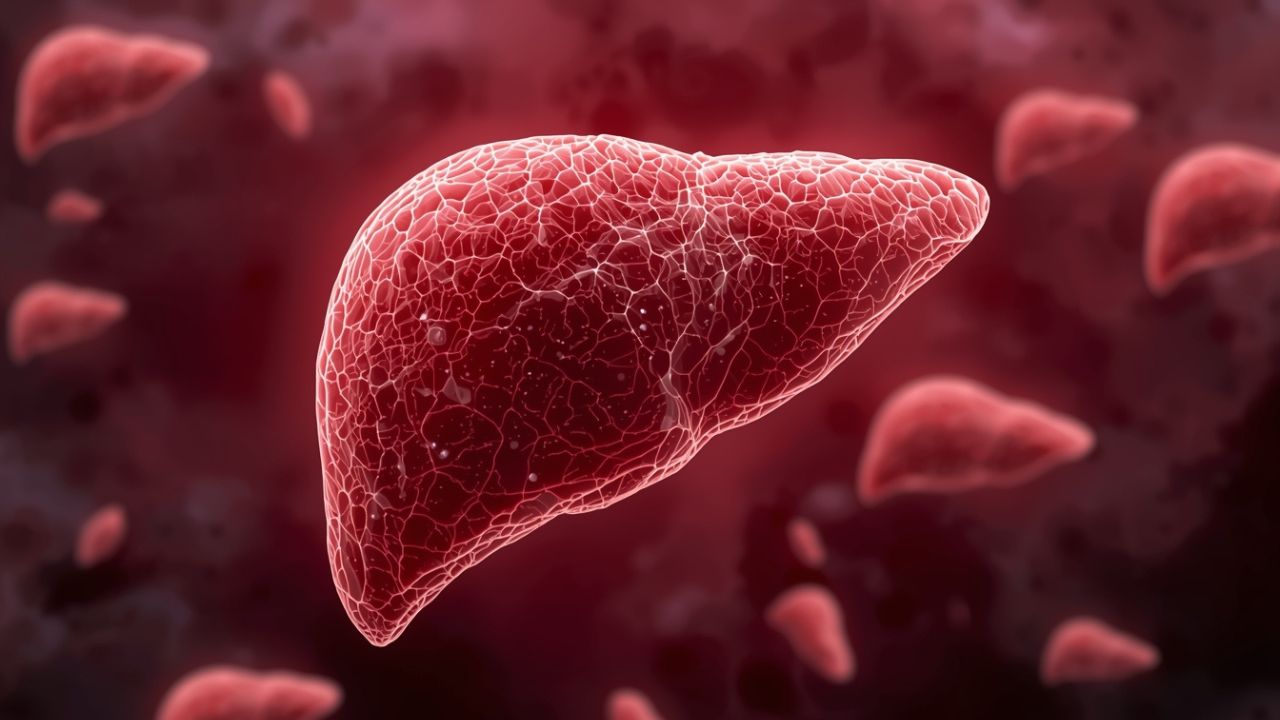
The phrase “liver detox” has become one of the most searched wellness terms online, with millions of people every month looking for ways to “cleanse” their liver after a period of indulgence. But here’s the fundamental problem: the liver doesn’t need a special cleanse it is the cleanse.
Your liver is the body’s primary detoxification organ, running a continuous, sophisticated 24/7 filtration system that processes everything you eat, drink, breathe, and absorb. When marketers use the term “detox,” they’re borrowing the credibility of a real biological process and applying it to products that have no scientific validation. The word itself is legitimate the commercial products claiming to perform it largely are not.
What is genuinely beneficial, and what this guide covers, is supporting your liver’s natural detoxification capacity through evidence-based nutrition, lifestyle choices, and an understanding of what actually stresses this extraordinary organ in the first place.
Key Insight
There is no published clinical evidence that commercial liver detox products remove toxins from a healthy liver. However, diet, exercise, and alcohol reduction are proven to significantly improve liver function and reduce disease risk.
How Your Liver Actually Works: A Master Detoxifier
Before exploring how to support your liver, it helps to understand just how remarkable this organ already is. Nestled beneath your right ribcage, the liver performs over 500 distinct physiological functions making it one of the most metabolically active organs in the human body.
Phase I and Phase II Detoxification
The liver neutralizes potentially harmful compounds through a two-phase enzymatic process.
In Phase I, cytochrome P450 enzymes convert fat-soluble toxins (including drugs, environmental chemicals, and metabolic waste) into intermediate compounds. These intermediates are often more reactive than the original toxin which is why Phase II is critical.
In Phase II, the liver attaches molecules like glutathione, sulfate, or glucuronic acid to these intermediates, making them water-soluble so they can be safely excreted via bile into the digestive tract or filtered by the kidneys into urine. This two-phase system is elegant, continuous, and does not pause between detox programs.
Beyond Detoxification
The liver also synthesizes bile for fat digestion, stores glycogen for blood sugar regulation, produces clotting factors, metabolizes hormones, regulates cholesterol, and manufactures most of the body’s plasma proteins. Damage or dysfunction in this organ doesn’t just affect “detox” — it affects your entire metabolic landscape.
Liver Detox Myths Debunked by Science
Misinformation about liver detox is so widespread that even well-meaning health enthusiasts fall for it. Let’s examine the most pervasive myths and what the evidence actually shows.
| Myth | Fact |
| Juice cleanses flush toxins from your liver. | No peer-reviewed study has demonstrated that juice cleanses remove toxins from a healthy liver. They may provide micronutrients, but they also deliver large amounts of sugar and virtually no fiber. Your kidneys and liver handle toxin removal continuously independently of juice consumption. |
| Your liver accumulates toxins over time and needs periodic purging. | Unlike the digestive tract, the liver does not “accumulate” toxins in a reservoir awaiting periodic release. It processes and eliminates compounds continuously. Fat-soluble toxins can accumulate in adipose tissue, but a juice cleanse does not target fat stores. |
| Liver detox supplements are safe because they’re natural. | Herb-induced liver injury (HILI) is a growing clinical concern. Products marketed as liver “detox” supplements including certain herbal teas and multi-ingredient products have been documented as causes of acute liver injury in published case reports. Natural does not mean safe. |
Important
Drug-induced liver injury (DILI) from dietary supplements is one of the fastest-growing causes of acute liver failure in developed countries. Always consult a hepatologist or registered dietitian before starting any supplement regimen.
Best Foods to Support Liver Detox Naturally
While no food “detoxes” your liver in the commercial sense, a substantial body of research identifies specific foods that support liver enzyme function, reduce inflammation, provide detoxification cofactors, and lower the risk of non-alcoholic fatty liver disease (NAFLD) the most common liver condition worldwide.
Explore Natural Detox Guide : What Science Reveals alongside these dietary choices for maximum benefit.
Cruciferous Vegetables
Broccoli, Brussels sprouts, cauliflower, and kale contain glucosinolates and sulforaphane, compounds shown in research to upregulate Phase II detoxification enzymes in liver cells. A diet rich in cruciferous vegetables has been associated with lower rates of liver cancer in observational studies and improved liver enzyme markers in clinical research.
Coffee
This may be the most evidence-backed “liver food” on this list. Multiple large-scale studies have shown that regular coffee consumption (2–4 cups per day) is associated with significantly reduced risk of liver cirrhosis, liver fibrosis progression, and hepatocellular carcinoma. Coffee appears to reduce hepatic inflammation and inhibit the activation of hepatic stellate cells, which drive fibrosis. Both caffeinated and decaffeinated coffee appear beneficial, suggesting the effect goes beyond caffeine.
Fatty Fish and Omega-3 Fatty Acids
Omega-3 fatty acids found in salmon, sardines, and mackerel have been studied for their ability to reduce liver fat accumulation and inflammation in NAFLD patients. Several randomized controlled trials have shown significant reductions in liver fat content with omega-3 supplementation or increased fatty fish intake.
Beets
Contain betalains and betaine, which support bile flow and may reduce oxidative stress in liver cells.
Turmeric
Curcumin has demonstrated anti-inflammatory and hepatoprotective properties in multiple animal and human studies.
Garlic
Allicin and selenium in garlic activate liver enzymes and may help the liver excrete toxins more efficiently.
Green Tea
EGCG catechins may reduce liver fat and improve liver enzyme levels, especially in NAFLD patients.
Olive Oil
Extra-virgin olive oil is linked to reduced liver enzyme levels and improved insulin sensitivity.
Walnuts
Rich in arginine, omega-3s, and glutathione all crucial for liver detoxification pathways.
The Role of Fiber
Dietary fiber especially soluble fiber from oats, legumes, and fruit plays an indirect but important role in liver health. Fiber feeds beneficial gut bacteria that produce short-chain fatty acids, which help regulate hepatic fat accumulation and inflammation through the gut-liver axis. A high-fiber diet is consistently associated with lower NAFLD risk in population studies.
Lifestyle Habits Proven to Support Liver Health
Diet alone is only part of the liver health equation. The following lifestyle factors have strong scientific backing for their impact on liver function some even more powerful than dietary changes alone.
Reduce or Eliminate Alcohol
Alcohol is metabolized almost entirely by the liver, where it generates acetaldehyde a toxic compound that damages hepatocytes, promotes inflammation, and drives fibrosis. Even moderate alcohol consumption over time can lead to alcoholic fatty liver disease. The single most effective thing most people can do for their liver is reduce alcohol intake. This isn’t a supplement recommendation it is consistently the number one intervention in hepatology clinical guidelines.
Achieve or Maintain a Healthy Body Weight
NAFLD the accumulation of fat in liver cells unrelated to alcohol affects an estimated 25% of the global population and is strongly linked to obesity, insulin resistance, and metabolic syndrome. Weight loss of just 5–10% of body weight has been shown in clinical trials to significantly reduce liver fat, inflammation, and fibrosis scores in NAFLD patients.
Regular Physical Exercise
Aerobic exercise and resistance training both independently reduce liver fat, improve insulin sensitivity, and lower hepatic inflammation markers. Studies show that 150–300 minutes of moderate-intensity exercise per week produces measurable improvements in liver health even without significant weight loss. Exercise appears to directly reduce hepatic lipogenesis (the production of fat in the liver) by improving mitochondrial function in liver cells.
Stay Hydrated
Adequate water intake supports the liver’s ability to excrete water-soluble waste products via bile and urine. While there’s no magic number for everyone, dehydration can impair kidney function, which in turn increases the burden on hepatic filtration. General guidance suggests 2–2.5 litres per day for most adults, with more needed in hot climates or with physical activity.
Minimize Unnecessary Medication and Supplement Use
Many over-the-counter medications including acetaminophen (paracetamol) at high doses are a leading cause of acute liver failure. Similarly, many herbal supplements and “liver detox” products carry genuine hepatotoxic risk. Less is more when it comes to your liver’s workload. Always inform your physician of any supplements you take.
Liver Supplements: What the Evidence Actually Shows
The supplement industry markets dozens of products as liver “detox” or “cleanse” solutions. Here’s an honest evidence assessment of the most popular ones.
- Milk Thistle (Silymarin): The most studied liver supplement. Some evidence suggests silymarin has anti-inflammatory and antioxidant effects in liver cells, and it has shown modest benefit in certain types of liver disease. However, evidence in healthy individuals is weak, and dose and formulation vary widely between products.
- N-Acetyl Cysteine (NAC): A genuine medical intervention used in hospitals to treat acetaminophen overdose by replenishing glutathione. In clinical use it is effective; as a general “detox” supplement for healthy people, the evidence is less compelling.
- Dandelion Root: Popular in detox teas. Very limited human evidence. Mild choleretic (bile-stimulating) effects shown in animal studies; no robust clinical trials in humans.
- Artichoke Leaf Extract: Some small studies suggest modest improvements in liver enzyme levels and bile flow. More research needed before strong recommendations can be made.
- Glutathione supplements: The liver’s master antioxidant. Oral bioavailability is questionable most oral glutathione is broken down in the gut. Supporting glutathione production via dietary precursors (cysteine, glycine, glutamate from protein-rich foods) may be more effective.
Clinical Caution
A 2021 review in the journal Hepatology identified herbal and dietary supplements as responsible for approximately 20% of drug-induced liver injury cases in the United States. Always approach liver supplements with scrutiny and professional guidance.
Warning Signs Your Liver May Need Medical Attention
Unlike the marketing narrative, which suggests you’ll “feel” toxin accumulation and “feel” a cleanse working, genuine liver distress has specific, medically recognized signs. These require medical evaluation not a juice cleanse.
- Jaundice yellowing of the skin or whites of the eyes, indicating impaired bilirubin processing
- Persistent right upper abdominal pain or tenderness beneath the ribcage
- Dark urine (tea-colored) and pale, clay-colored stools
- Unexplained fatigue, brain fog, or confusion (hepatic encephalopathy in advanced disease)
- Swelling of the abdomen (ascites) or legs (edema)
- Easy bruising or prolonged bleeding, indicating impaired clotting factor synthesis
- Itchy skin without a visible rash can indicate bile salt accumulation
If you experience any of these symptoms, consult a physician immediately. These are not signs to “detox away” they are signals requiring clinical evaluation including liver function tests (LFTs), imaging, and potentially a liver biopsy.
Learn more about Nutrition Myths Busted: What Science Really Says About Your Diet.
Conclusion: Trust Your Liver And the Science Behind It
Your liver is already one of the most sophisticated detoxification systems in the known universe. It works continuously, adapts remarkably, and when not overburdened performs its complex role without intervention. It doesn’t need a 3-day juice cleanse or a $90 herbal tincture. What it does need is respect: less alcohol, more fiber, regular movement, healthy body weight, quality sleep, and a diverse diet rich in the foods science has actually validated.
The wellness industry has done a remarkable job of creating fear around “toxins” and then monetizing the solution. Evidence-based nutrition takes a different approach one grounded in mechanisms, clinical trials, and long-term outcomes rather than testimonials and marketing copy.
Before spending another cent on a liver cleanse, invest in the knowledge that your liver is already working for you. Support it with science, not pseudoscience. Fuel it with whole foods. Challenge it with exercise. Protect it by limiting what genuinely taxes it. That is the only liver detox your body was ever designed to need.
frequently Ask Questions
No. Your liver detoxifies itself no cleanse needed Eat well, exercise, and limit alcohol.
Weeks to years depending on damage. Fatty liver reverses fastest (2–6 weeks), fibrosis takes the longest. Your liver never stops detoxifying.
Coffee, cruciferous vegetables, fatty fish, beets, walnuts, turmeric, green tea, and olive oil. Together they form a Mediterranean-style diet the most evidence-backed approach for liver health.
Yes, in early stages. Losing 5–10% of body weight, eating a Mediterranean diet, exercising regularly, and cutting alcohol can significantly reverse it within 3–6 months. Advanced fibrosis requires medical care.
Jaundice, upper right abdominal pain, dark urine, pale stools, unexplained fatigue, easy bruising, and itchy skin. Elevated liver enzymes on a blood test often appear before symptoms. See a doctor not a cleanse.
Marketers use both interchangeably. Technically, detox refers to the liver’s actual enzymatic process; cleanse refers to juice fasts or herbal programs claiming to flush toxins. Neither has clinical evidence. Your liver already does the real work.