
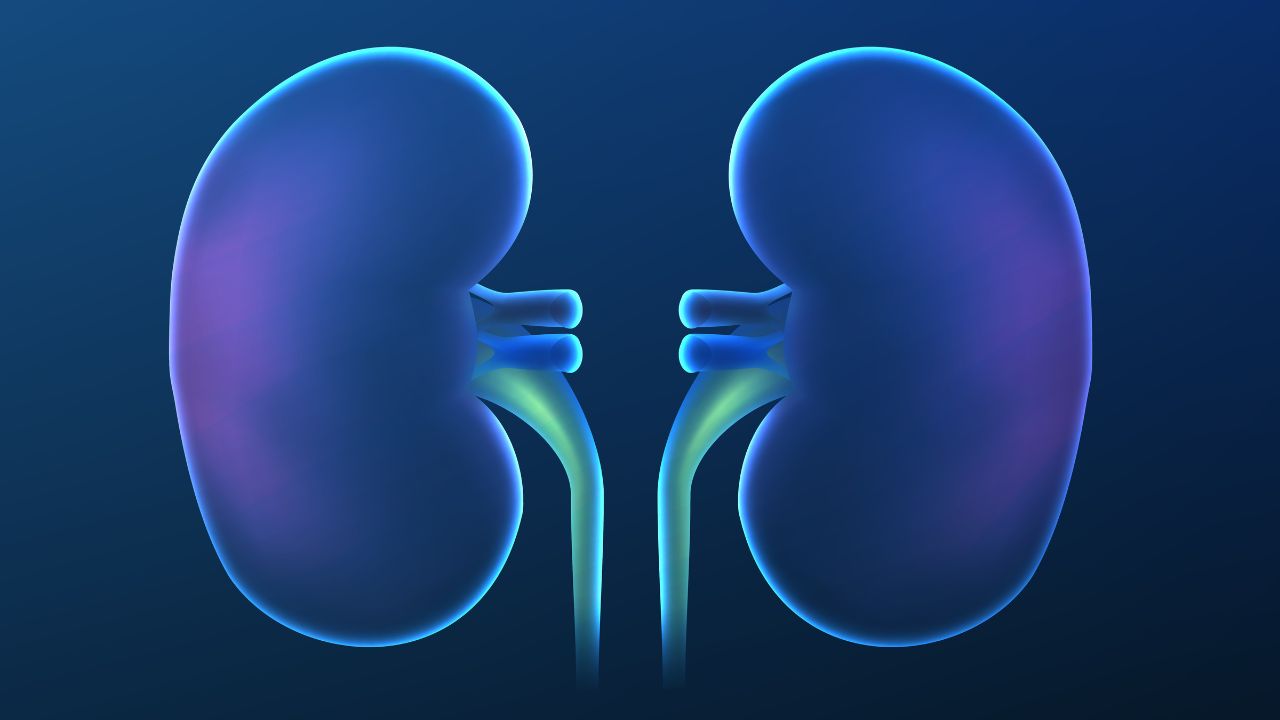
Every year, millions of people search for ways to “detox” or “cleanse” their kidneys and every year, the wellness industry earns billions selling products that nephrology clinicians find no reason to recommend. The truth about kidney detox is both simpler and more empowering than any supplement label suggests. Your kidneys are already among the most sophisticated filtration systems in biology. What they need from you is not a $60 herbal cleanse it is understanding, respect, and the right daily habits backed by real science.
What Does Kidney Detox Actually Mean?
The phrase “kidney detox” has exploded in popularity across health blogs, social media, and supplement stores. But before spending money on any product carrying this label, it is essential to understand what detoxification actually means in the context of human physiology and what it does not mean.
The science of biological detoxification
In genuine medical science, detoxification refers to the biological processes by which the body neutralizes and eliminates potentially harmful substances. The kidneys are one of the body’s two primary detoxification organs the other being the liver. Together they handle the continuous removal of metabolic waste products, drug metabolites, environmental toxins, excess electrolytes, and other substances that would otherwise accumulate to dangerous levels in the blood.
Why commercial ‘kidney detox’ claims are misleading
Commercial “kidney detox” products borrow this legitimate biological terminology and apply it to products teas, supplements, juice programs, herbal formulas that claim to enhance, accelerate, or reset the kidney’s natural filtration capacity. The fundamental problem with this claim is that healthy kidneys do not require external enhancement. They filter blood around the clock without interruption. There is no “toxin buildup” in a healthy kidney awaiting a periodic flush. The kidney’s filtration is continuous, not cyclical.
What actually supports kidney health
Genuinely beneficial and what this comprehensive guide covers in full detail is how to support your kidneys so they can function optimally. This includes maintaining adequate hydration, keeping blood pressure healthy, and controlling blood sugar levels.
It also involves following the right dietary patterns and avoiding substances that can damage kidney tissue over time.
Clinical Perspective
The National Kidney Foundation explicitly advises people to avoid teas and supplements marketed as kidney detox or cleanse products, noting limited evidence of effectiveness and documented risk of kidney damage from certain herbal ingredients used in these formulations.
How Your Kidneys Actually Work: Nature’s Master Filter
To understand why commercial kidney detox products are unnecessary, it helps to appreciate how remarkable your kidneys already are. Located on either side of your spine just below the ribcage, each kidney is about the size of a fist. Despite their small size, they work together to perform one of the most complex and continuous filtration processes in the human body.
The nephron: your kidney’s basic filtration unit
Each kidney contains approximately one million microscopic filtration units called nephrons. Every nephron consists of a glomerulus a tiny ball of capillaries where blood is filtered under pressure and a long tubule through which the filtered fluid passes, allowing the body to reclaim what it needs and concentrate what it does not.
Blood enters the kidney through the renal artery and flows into the glomerulus at high pressure. This pressure forces water, waste products, glucose, amino acids, electrolytes, and small molecules out of the blood and into the Bowman’s capsule the cup-shaped beginning of the renal tubule. This initial filtrate is called the glomerular filtrate, and the kidneys produce approximately 180 litres of it every single day.
The remarkable process of selective reabsorption
As this filtrate travels through the proximal tubule, loop of Henle, distal tubule, and collecting duct, the kidneys perform extraordinary selective reabsorption reclaiming virtually all of the glucose, amino acids, and most of the water and electrolytes from the filtrate. Only waste products, excess substances, and what the body genuinely needs to excrete are left to become urine. The kidneys ultimately produce 1.5 to 2 litres of urine daily a concentrated representation of everything the body needed to eliminate.
Beyond filtration: the kidney’s other vital functions
Filtration is only one of the kidney’s many critical roles. The kidneys also regulate blood pressure through the renin-angiotensin-aldosterone system, producing renin when blood pressure drops and triggering a hormonal cascade that raises it. They activate vitamin D converting its inactive form from the skin and liver into the active form, calcitriol, that the body can use for calcium absorption and bone health.
The kidneys produce erythropoietin, a hormone that signals the bone marrow to make red blood cells. This is why Chronic Kidney Disease often leads to anemia.
They also help maintain the body’s acid–base balance. By regulating bicarbonate and hydrogen ions, the kidneys keep blood pH within the narrow, life-sustaining range of 7.35 to 7.45. And they control the blood levels of critical electrolytes including sodium, potassium, phosphate, and magnesium through precise tubular handling.
This multifaceted role makes the kidneys irreplaceable and makes protecting their function one of the most important investments in long-term health available.
read also Beginner Vegan Guide: How to Start a Plant-Based Diet the Right Way.
Kidney Detox Myths Debunked by Science
The commercial kidney detox space is built on a foundation of misconceptions some harmless, some potentially dangerous. Here are the most prevalent myths, examined against the evidence.
| Myth | Fact |
|---|---|
| Kidneys accumulate toxins over time that need to be periodically flushed out. | Healthy kidneys filter blood continuously approximately 40 times per day. Waste products do not accumulate in a healthy kidney awaiting a scheduled cleanse. They are filtered, processed, and excreted in real time. The concept of “toxin accumulation” requiring a periodic flush has no anatomical basis in a functioning kidney. |
| Herbal kidney detox supplements are safe because they use natural ingredients. | Some herbal supplements marketed for kidney detox contain aristolochic acid, a compound that causes severe, irreversible nephrotoxicity and has been linked to urothelial cancer. It has been banned in many countries yet still appears in some traditional herbal remedies. Others contain high doses of oxalic acid precursors that worsen kidney stone risk. Natural origin provides no guarantee of kidney safety. |
| A 3-day or 7-day kidney cleanse can significantly improve kidney function. | No peer-reviewed clinical trial has demonstrated that a commercial kidney cleanse program produces measurable improvements in eGFR, creatinine clearance, or any other validated marker of kidney function in healthy adults. The improvements people feel during cleanse programs are typically attributable to increased hydration, reduced alcohol and processed food intake — lifestyle changes that work independently of any product. |
| Drinking large amounts of water beyond your needs will boost kidney function. | Adequate hydration is essential for kidney health, but excessive water intake beyond physiological needs does not enhance kidney filtration and can in rare cases cause hyponatremia (dangerously low blood sodium). The goal is optimal hydration producing pale yellow urine, not maximum water consumption. The kidneys regulate water balance precisely; they do not benefit from overloading. |
Safety Warning
People with existing chronic kidney disease (CKD) face particular risk from herbal supplements and detox products. Damaged kidneys cannot efficiently excrete supplement components, allowing toxic concentrations to build. High doses of vitamin C, potassium, phosphorus, and magnesium common in supplements can be dangerous for CKD patients. Always consult a nephrologist before taking any supplement with kidney disease.
Best Foods for Natural Kidney Detox
While no food “detoxes” the kidneys in the commercial sense, strong clinical evidence shows that certain foods can support kidney health. These foods help improve filtration efficiency, reduce the risk of kidney stones, and lower inflammation in kidney tissues. They may also help slow the progression of Chronic Kidney Disease and support the kidneys’ essential regulatory functions. Here is the most evidence-supported list available from current nephrology nutrition research.
Water : the most powerful kidney food of all
Before any other food or drink, adequate plain water deserves its own discussion as the kidney’s most important nutritional requirement. The kidneys filter blood and concentrate waste into urine. This concentration process requires water. When fluid intake is low, urine becomes highly concentrated. This increases the buildup of minerals, which can lead to kidney stone formation, and reduces the body’s ability to flush out waste efficiently. Research shows that increasing fluid intake—so urine output exceeds about 2 litres per day can reduce the recurrence of kidney stones by nearly 50%. No supplement approaches this magnitude of effect.
Cranberries and cranberry juice
Cranberries contain unique A-type proanthocyanidins that prevent certain bacteria particularly E. coli from adhering to the walls of the urinary tract. Multiple clinical trials have confirmed that regular unsweetened cranberry consumption reduces the recurrence of urinary tract infections (UTIs) in women prone to them. Since UTIs can ascend to cause kidney infections (pyelonephritis), reducing their frequency is a genuine kidney health strategy. Choose unsweetened cranberry juice or whole cranberries rather than sugar-laden commercial cranberry drinks.
Lemon and Citrus Fruits for Kidney Detox Support
Citrate — found abundantly in lemon juice and other citrus fruits is one of the most clinically validated dietary interventions for kidney stone prevention. In the urine, citrate binds to calcium and prevents it from forming crystals with oxalate or phosphate. Multiple randomized controlled trials have shown that supplemental potassium citrate or dietary citrate from lemon juice significantly increases urinary citrate levels and reduces calcium stone recurrence. Simply adding the juice of half a lemon to a glass of water daily provides measurable stone-preventive citrate. This is not a detox gimmick it is validated nephrology nutrition.
Fatty fish and omega-3 fatty acids
Omega-3 fatty acids from fatty fish salmon, sardines, mackerel, and herring have demonstrated anti-inflammatory effects relevant to kidney health. Chronic low-grade inflammation is a driver of kidney function decline in both CKD and early-stage nephron damage. Clinical studies have shown that omega-3 supplementation reduces urinary protein excretion (a marker of kidney damage), lowers inflammatory cytokines relevant to renal inflammation, and may slow eGFR decline in CKD patients. The American Heart Association’s recommendation of two servings of fatty fish per week aligns with evidence-based kidney protection recommendations.
Cruciferous vegetables
Broccoli, cauliflower, Brussels sprouts, and cabbage are rich in glucosinolates, vitamin C, fiber, and antioxidants. They are also relatively low in potassium and phosphorus, making them suitable for many people with Chronic Kidney Disease. These vegetables support kidney health indirectly by improving heart health.
By helping reduce the risk of high blood pressure, they address a major factor that contributes to declining kidney function. For healthy individuals, cruciferous vegetables are cornerstone kidney-supportive foods.
Other kidney-friendly foods
- Blueberries : Rich in anthocyanins and antioxidants. Shown to reduce oxidative stress in kidney cells. Low in sodium, potassium, and phosphorus kidney-friendly across all stages.
- Red grapes: Resveratrol has demonstrated anti-inflammatory effects in kidney tissue in multiple studies. Flavonoids in grapes support overall vascular health relevant to renal circulation.
- Garlic: Allicin provides antimicrobial and anti-inflammatory properties. Low in potassium and phosphorus. A flavourful, kidney-friendly alternative to salt for seasoning.
- Olive oil: +Monounsaturated fats reduce cardiovascular disease risk the leading cause of death in CKD patients. Extra-virgin olive oil also provides anti-inflammatory polyphenols.
- Egg white: A high-quality, low-phosphorus protein source. For CKD patients requiring protein restriction, egg whites provide essential amino acids without the phosphorus burden of whole eggs.
- Cauliflower: Exceptionally versatile, low in potassium and phosphorus, high in vitamin C and folate. One of the most kidney-friendly vegetables for any stage of kidney health.
- Watermelon: Exceptionally high water content promotes urine output. Contains lycopene and citrulline. Citrulline may support kidney circulation and reduce kidney stone risk.
- Apples: High in fiber (especially pectin), low in potassium and phosphorus, rich in quercetin. Pectin may help reduce uremic toxins in CKD patients by binding them in the gut.
Foods to limit or avoid for kidney health
Understanding what damages kidneys is as important as knowing what supports them. The evidence consistently identifies several dietary patterns and specific foods as significant contributors to kidney disease risk and progression.
- Excess sodium raises blood pressure, the leading driver of kidney function decline. Most adults consume over 3,400mg daily; the recommended limit is 2,300mg or less.
- High-fructose corn syrup and added sugars fructose increases uric acid production, worsening uric acid kidney stone risk and contributing to metabolic syndrome associated with CKD.
- Excessive animal protein high red meat intake increases urinary calcium, uric acid, and acid load on the kidneys. The Western diet’s high animal protein content is a significant contributor to kidney stone prevalence.
- Ultra-processed foods typically high in sodium, phosphate additives (which absorb more readily than naturally occurring phosphorus), and preservatives that burden kidney filtration.
- Excessive alcohol directly nephrotoxic at high intake levels, causes dehydration, raises blood pressure, and contributes to liver disease that secondarily affects kidney function.
- Cola drinks he phosphoric acid in cola beverages is specifically linked in epidemiological studies to increased kidney disease risk and reduced kidney density compared to non-cola sodas.
Best Drinks for Kidney Detox Daily
Hydration is the most important daily habit for maintaining kidney health. The beverages you choose each day directly influence urine concentration, the risk of kidney stones, their recurrence, and the likelihood of urinary tract infection. Here is a science-based ranking of the most kidney-supportive drinks.
Plain Water Irreplaceable and Unsurpassed for Kidney Detox
No beverage rivals plain water for kidney health. It dilutes urine, reduces mineral supersaturation, flushes the urinary tract, and supports optimal filtration efficiency. The Academy of Nutrition and Dietetics recommends total fluid intake of 3.7 litres for adult men and 2.7 litres for adult women from all sources. For kidney stone prevention specifically, most nephrologists target urine output exceeding 2 litres per day requiring approximately 2.5 to 3.5 litres of fluid daily depending on climate and activity level. Pale straw yellow urine indicates adequate hydration. Dark yellow urine signals under-hydration and concentrated kidney stress.
Lemon water
Beyond plain water, lemon water offers the specific benefit of dietary citrate, which is a proven kidney stone prevention strategy. Squeezing the juice of half a lemon into a glass of water provides approximately 30 to 50 milligrams of citrate enough to meaningfully raise urinary citrate levels with consistent daily use. This is particularly beneficial for people who have experienced calcium oxalate kidney stones. It is inexpensive, evidence-based, and one of the simplest kidney-supportive dietary habits available.
Unsweetened cranberry juice
Cranberry juice’s benefit for urinary tract health is well-documented. A-type proanthocyanidins inhibit the adhesion of uropathogenic bacteria to urinary tract epithelium, reducing UTI frequency. However, the critical word is unsweetened commercial cranberry juice cocktails contain significant amounts of added sugar that outweighs the proanthocyanidin benefit. Pure, unsweetened cranberry juice or cranberry concentrate is the appropriate choice. Note: people prone to calcium oxalate kidney stones should consult their physician before regular cranberry juice consumption, as it contains some oxalate.
Green tea
Green tea provides EGCG catechins among the most studied antioxidant compounds in the human diet. Research has associated regular green tea consumption with reduced kidney stone risk, lower blood pressure, and anti-inflammatory effects in kidney tissue. Epidemiological studies from Japan and China consistently show lower rates of kidney disease in high green tea-consuming populations. Green tea is also a gentle diuretic, promoting urine output without the adrenal stress of high-caffeine beverages. Two to three cups daily is appropriate for most adults.
Herbal Teas with Kidney Detox Benefits
Several herbal teas have traditional reputations and some research support for kidney-related benefits. Dandelion root tea has demonstrated mild diuretic effects, increasing urine volume and potentially helping flush the urinary tract. Nettle leaf tea is rich in antioxidants and has shown anti-inflammatory properties in small studies. Parsley tea has traditional use as a kidney-support herb. However, these teas should be consumed as part of a healthy dietary pattern rather than as therapeutic kidney cleanses and anyone with existing kidney disease should consult their nephrologist before regular herbal tea use.
Learn about Beginner Nutrition Guide: Simple Steps to Healthy Eating and a Balanced Diet.
Lifestyle Habits That Support Kidney Detox Naturally
Diet is only part of the kidney health equation. The following lifestyle factors have the strongest scientific evidence base for protecting kidney function over a lifetime some more powerful than any dietary intervention alone.
Control blood pressure the single most important factor
Hypertension is the second leading cause of chronic kidney disease worldwide and the leading accelerant of kidney function decline in people already diagnosed with CKD. Sustained high blood pressure damages the delicate glomerular capillaries that form the kidney’s filtration membrane, progressively reducing the surface area available for filtration. Over years and decades, this manifests as a falling eGFR, rising creatinine, and eventual kidney failure in severe cases.
The targets are clear: the 2017 American College of Cardiology/American Heart Association guidelines recommend a blood pressure target below 130/80 mmHg for adults with hypertension. For people with CKD and proteinuria, many nephrologists recommend even tighter control below 125/75 mmHg. Every 10 mmHg reduction in systolic blood pressure reduces the risk of kidney disease progression by approximately 11% according to large-scale clinical trial data.
Manage blood sugar especially in diabetes
Diabetes is the leading cause of kidney failure worldwide, responsible for over 44% of new dialysis cases in developed countries. Sustained high blood glucose damages kidney tissue in several ways. It causes glycation of glomerular proteins, increases oxidative stress, triggers inflammatory responses, and leads to hyperfiltration—where the kidneys initially overwork before gradually declining. Keeping HbA1c below 7% in Type 2 Diabetes has been shown to significantly lower the risk of diabetic nephropathy.
This has been demonstrated in major clinical trials such as UKPDS and ACCORD.
Maintain a healthy body weight
Obesity is an independent risk factor for chronic kidney disease, operating through multiple pathways including increased blood pressure, insulin resistance, dyslipidaemia, and direct hemodynamic effects on glomerular pressure. Adipose tissue also produces pro-inflammatory adipokines that contribute to low-grade renal inflammation. Studies show that weight loss of 5 to 10% of body weight in obese individuals produces measurable improvements in urinary albumin excretion (a marker of early kidney damage) and blood pressure both indicative of reduced kidney stress.
Exercise regularly
Regular physical activity benefits the kidneys both directly and indirectly. Exercise improves blood pressure, insulin sensitivity, body weight, and cardiovascular health all of which reduce kidney disease risk. Some research also suggests that exercise directly reduces urinary protein excretion in CKD patients, possibly through improved renal hemodynamics. The recommended target of 150 minutes of moderate-intensity aerobic exercise per week produces clinically significant kidney-protective benefits. Even walking 30 minutes daily has shown measurable advantages over a sedentary lifestyle in population-based kidney health studies.
Quit smoking
Smoking is an often-overlooked kidney toxin. Nicotine and other tobacco compounds cause renal vasoconstriction, reducing blood flow to the kidneys. Smoking is independently associated with a 30 to 40% increased risk of kidney function decline even after adjusting for hypertension and other risk factors. In people with CKD, smoking dramatically accelerates the rate of progression toward kidney failure. Smoking cessation is one of the most powerful modifiable kidney-protective interventions available, with benefits measurable within months of stopping.
Avoid unnecessary NSAIDs and over-the-counter painkillers
Non-steroidal anti-inflammatory drugs (NSAIDs) including ibuprofen and naproxen inhibit prostaglandins that maintain renal blood flow. In people who are volume-depleted (dehydrated), elderly, or have existing kidney disease, NSAIDs can precipitate acute kidney injury. Chronic regular use of NSAIDs has been associated with an increased risk of chronic kidney disease development. Acetaminophen (paracetamol) is generally safer for the kidneys than NSAIDs but hepatotoxic at high doses. Using the minimum effective dose for the shortest necessary duration and consulting a physician for chronic pain management reduces kidney risk significantly.
Herbs and Supplements: What the Evidence Shows
The supplement market for kidney health is enormous and largely unregulated. Here is an objective, evidence-based assessment of the most popular herbal and supplement approaches to kidney health covering both potential benefits and genuine risks.
Dandelion root (Taraxacum officinale)
Dandelion root has the longest traditional use history of any kidney-support herb in European and Native American herbal medicine. It has demonstrated mild diuretic effects in human studies increasing urine volume and sodium excretion. Rich in flavonoids, potassium salts, taraxacin, and inulin, dandelion root may support urinary tract flushing and has shown some anti-inflammatory properties in animal models. Safety profile is generally good for healthy adults in food amounts. However, people with kidney disease, bile duct obstruction, or taking diuretic medications should use caution.
Nettle leaf (Urtica dioica)
Nettle leaf is a natural diuretic that increases urine production and may support kidney filtration in healthy adults. Rich in antioxidants including flavonoids and beta-sitosterol, nettle has shown anti-inflammatory properties relevant to urinary tract health. Traditional use for urinary tract infections and kidney stone passage support has some research backing. Available as tea, tincture, or capsule. Generally safe for healthy adults; caution advised in CKD patients due to potassium content.
Chanca piedra (Phyllanthus niruri)
This tropical herb whose name translates as “stone breaker” has been the subject of genuine scientific investigation for kidney stone prevention and treatment. A 2016 meta-analysis found that Phyllanthus niruri extracts have anti-urolithiatic (kidney stone inhibiting) and anti-hyperuricemic properties, with studies suggesting it may reduce urinary oxalate and uric acid excretion. While more human clinical trials are needed, chanca piedra has one of the more credible evidence bases among kidney herbal supplements. Used in traditional Ayurvedic, Chinese, and Latin American medicine for centuries.
Parsley (Petroselinum crispum)
Parsley has long been used as a gentle kidney herb in folk traditions. Research suggests apiol and myristicin compounds in parsley have mild diuretic properties. However, parsley is high in oxalate meaning people who form calcium oxalate kidney stones should avoid therapeutic quantities. In food amounts as a culinary herb, parsley is safe and contributes flavonoids and vitamin K. As a kidney supplement taken in high doses, the oxalate content becomes a genuine concern.
N-Acetyl Cysteine (NAC)
NAC is a well-studied antioxidant and glutathione precursor used in clinical medicine for acetaminophen overdose treatment and as a renal protective agent during contrast-induced nephropathy (kidney damage from radiological contrast dye). Its role in preventing contrast-induced acute kidney injury is supported by multiple clinical trials, though some meta-analyses are mixed. As a general kidney supplement for healthy adults, evidence is less compelling. However, NAC represents one of the few supplements with genuine clinical research in nephrology settings.
Critical Safety Alert
Additionally, aristolochic acid found in some herbs, including Aristolochia species sometimes used in traditional Chinese formulas—is a potent and irreversible kidney toxin. As a result, it can cause aristolochic acid nephropathy and significantly increase the risk of urothelial cancer. Therefore, many countries have banned it; however, it can still appear in some imported herbal products. The FDA has warned about this compound repeatedly. Never take herbal kidney supplements from unverified sources, and always check the full ingredient list for any Aristolochia species.
Kidney Stone Prevention: A Comprehensive Evidence-Based Guide
Kidney stones affect approximately 10 to 15% of adults in developed countries making kidney stone prevention one of the most important practical applications of kidney nutrition science. With recurrence rates of 50% within 5 years for untreated patients, prevention strategies are both clinically impactful and highly sought-after by people who have experienced the notorious pain of passing a stone.
Understanding stone types
Not all kidney stones are the same, and prevention strategies differ significantly by stone type. Having a passed stone analysed is the essential first step in targeted prevention.
- Calcium oxalate stones the most common type (approximately 80% of all stones). Prevention focuses on hydration, dietary oxalate reduction, adequate dietary calcium, citrate supplementation, and sodium restriction.
- Calcium phosphate stones often associated with renal tubular acidosis or hyperparathyroidism. Prevention requires addressing the underlying cause plus hydration and citrate supplementation.
- Uric acid stones associated with high purine diet (red meat, organ meat, shellfish), gout, and insulin resistance. Prevention involves alkalinizing the urine, reducing purine intake, increasing hydration, and possibly allopurinol therapy.
- Struvite stones caused by urease-producing bacterial infections. Prevention requires treating the underlying urinary tract infection.
- Cystine stones rare, genetic (cystinuria). Requires specialized management with high fluid intake and urinary alkalinization.
Universal prevention strategies backed by evidence
Regardless of stone type, several strategies reduce kidney stone risk across all categories and are supported by strong clinical evidence.
- Optimize fluid intake to produce more than 2 litres of urine per day the single most evidence-backed intervention reducing stone recurrence by approximately 50%.
- Reduce sodium to below 2,300mg per day excess sodium increases urinary calcium excretion, raising stone-forming mineral supersaturation.
- Consume adequate dietary calcium (1,000–1,200mg daily from food sources) counterintuitively, adequate calcium binds oxalate in the gut, reducing oxalate available for kidney stone formation. Calcium supplements taken between meals may paradoxically increase stone risk; calcium with meals is preferable.
- Increase dietary citrate through lemon water, orange juice, and other citrus citrate directly inhibits crystal nucleation and growth in urine.
- Limit animal protein to moderate amounts high animal protein intake increases urinary calcium, uric acid, and oxalate while reducing citrate excretion.
- Reduce oxalate-rich foods if prone to calcium oxalate stones spinach, beets, nuts, chocolate, and tea contain significant oxalate loads.
- Maintain a healthy body weight obesity is an independent risk factor for kidney stones across all stone types.
“Increasing fluid intake to achieve urine output greater than 2 litres per day is the single most effective dietary intervention for kidney stone prevention, with evidence consistently demonstrating approximately 50% reduction in recurrence rates.”
Understanding Chronic Kidney Disease: Stages, Causes & Natural Care
Chronic kidney disease (CKD) is defined as persistent abnormalities of kidney structure or function lasting more than 3 months. It affects an estimated 10% of the global adult population 850 million people making it one of the most prevalent chronic diseases worldwide. Unlike acute kidney injury which can be reversible, CKD involves progressive loss of nephron function that, while manageable, cannot be fully reversed beyond the earliest stages.
| Stage | eGFR | Description |
| 1 | ≥90 | Normal function with kidney damage markers present |
| 2 | 60–89 | Mildly reduced function |
| 3 | 30–59 | Moderately reduced function |
| 4 | 15–29 | Severely reduced function |
| 5 | <15 | Kidney failure — dialysis or transplant needed |
The silent nature of early-stage CKD
The critical insight from this staging system is that early-stage CKD (Stages 1 and 2) typically produces no symptoms whatsoever the kidneys have enormous reserve capacity, and symptoms do not typically emerge until Stage 3 or beyond. This is why CKD is so often called a “silent disease” and why regular screening through blood and urine tests is critical for anyone with risk factors including diabetes, hypertension, obesity, age over 60, family history of kidney disease, or a history of kidney stones.
Can chronic kidney disease be reversed naturally?
This is one of the most searched questions in kidney health, and the honest answer depends critically on the stage and underlying cause. In Stages 1 and 2 CKD where the cause is controllable early diabetic nephropathy, hypertensive nephropathy, obesity-related glomerulopathy aggressive lifestyle intervention can genuinely halt progression and in some cases partially reverse kidney function loss. Multiple clinical trials have shown that:
- 5 to 10% weight loss in obese CKD patients significantly reduces urinary albumin excretion and may improve eGFR in early-stage disease.
- Tight blood pressure control below 130/80 mmHg reduces CKD progression rate by 30 to 40% in patients with proteinuria.
- HbA1c control below 7% in diabetic CKD reduces progression to Stage 4 or 5 by over 25% in long-term trials.
- Adoption of a Mediterranean or DASH diet pattern produces measurable improvements in kidney function markers in early-stage CKD patients over 12 to 24 months.
Stage 3 and beyond represents significant irreversible nephron loss. Lifestyle changes remain critically important for slowing progression but are unlikely to produce meaningful eGFR improvement. Stage 5 requires renal replacement therapy dialysis or transplantation. The clear message from nephrology evidence is that earlier intervention yields dramatically better outcomes.
Review Liver Detox: The Truth Science Reveals.
Warning Signs Your Kidneys Need Medical Attention
One of the most clinically important facts about kidney disease is that it is typically silent until significant damage has occurred. Understanding the warning signs and acting on them promptly can be the difference between early-stage reversibility and advanced irreversible disease.
Unlike the marketing narrative suggesting you will “feel” when your kidneys need a detox, genuine kidney distress produces specific, medically recognized signs that require blood tests, urine tests, and clinical evaluation not a juice cleanse.
Ten warning signs to watch for
- Foamy or bubbly urine persistent foam in the toilet after urination indicates protein in the urine (proteinuria), one of the earliest and most important markers of kidney damage. Normal urine should not foam significantly.
- Swelling in ankles, feet, legs, or around the eyes oedema from fluid retention indicates the kidneys are failing to excrete enough sodium and water. Facial puffiness on waking is particularly suggestive of nephrotic syndrome.
- Changes in urination frequency or volume urinating more often (especially at night nocturia), less often, or in significantly different amounts than usual can indicate nephron dysfunction.
- Blood in urine (haematuria) urine that appears pink, red, or brown may indicate blood, which requires immediate urological evaluation for kidney stones, infections, tumours, or glomerulonephritis.
- Persistent fatigue and weakness anaemia from reduced erythropoietin production is extremely common in CKD and presents as persistent tiredness, breathlessness on exertion, and pallor.
- Persistent back or flank pain pain below the ribs on either side of the spine can indicate kidney stones, infection, cysts, or other structural kidney problems.
- Shortness of breath fluid accumulation in the lungs (pulmonary oedema) from severely reduced kidney function is a medical emergency requiring immediate attention.
- Difficulty concentrating and brain fog accumulation of uremic toxins in late-stage kidney disease impairs cognitive function in a condition called uremic encephalopathy.
- Skin itching accumulation of phosphate and uremic compounds in advanced CKD causes intense, persistent skin itching (pruritus) that is difficult to treat.
- High blood pressure that is difficult to control the kidneys play a central role in blood pressure regulation through the renin-angiotensin system, and poorly controlled hypertension that does not respond normally to treatment can indicate underlying kidney involvement.
When to Seek Medical Care Immediately
Blood in urine, severe back or flank pain combined with fever (which suggests kidney infection/pyelonephritis), sudden severe swelling, and shortness of breath all require immediate medical evaluation. These are not symptoms to manage with home remedies or detox programs they require clinical investigation including blood tests (creatinine, eGFR, electrolytes) and urine analysis (dipstick, microscopy, protein:creatinine ratio).
Conclusion: Trust Your Kidneys and the Science Behind Natural Kidney Detox
Your kidneys are extraordinary organs performing one of biology’s most sophisticated and continuous operations. Every minute of every day they filter your blood, excrete precisely what needs to be eliminated, reclaim what needs to be retained, regulate your blood pressure, activate your vitamin D, produce your red blood cell hormone, and maintain the acid-base balance your cells depend on for survival. They do all of this without a juice cleanse, a herbal tea, or a supplement label claiming to “reset” them.
The wellness industry has built a multi-billion dollar market on the myth that your kidneys accumulate toxins requiring periodic commercial intervention. Nephrology science tells a different story one where the path to kidney health runs through your daily habits, not your supplement cabinet. Adequate hydration. A low-sodium, whole-food dietary pattern rich in fruits, vegetables, and moderate lean protein. Regular physical activity. Blood pressure and blood sugar control. Avoidance of nephrotoxic substances. These interventions have clinical trial evidence behind them. They do not cost $60 a bottle. And they work over the long term in ways that no detox program can match.
Evidence-based nutrition does not promise dramatic transformations in three days. It offers something far more valuable a sustainable, science-grounded approach that protects one of your most irreplaceable organ systems for decades to come. Trust the research. Trust your kidneys. And if you have any concerns about kidney function, trust a nephrologist not a supplement label.
Your kidneys have been filtering for you every second since before you were born. Give them what they actually need, and they will continue working for you for a lifetime.
Frequently Ask Questions
No, most “detox” drinks do not have strong scientific evidence supporting their effectiveness. Your kidneys naturally filter waste without needing special detox products.
The most effective methods include staying hydrated, maintaining healthy blood pressure, controlling blood sugar, and following a balanced diet.
Yes, some detox teas may contain harmful herbs that can damage kidney tissue, especially if used regularly or in high amounts.
Foods like leafy greens, berries, cabbage, cauliflower, and apples can support kidney health due to their antioxidants and low sodium content.
Drinking enough water, reducing excess salt intake, and eating a balanced diet can significantly lower the risk of kidney stone formation.