
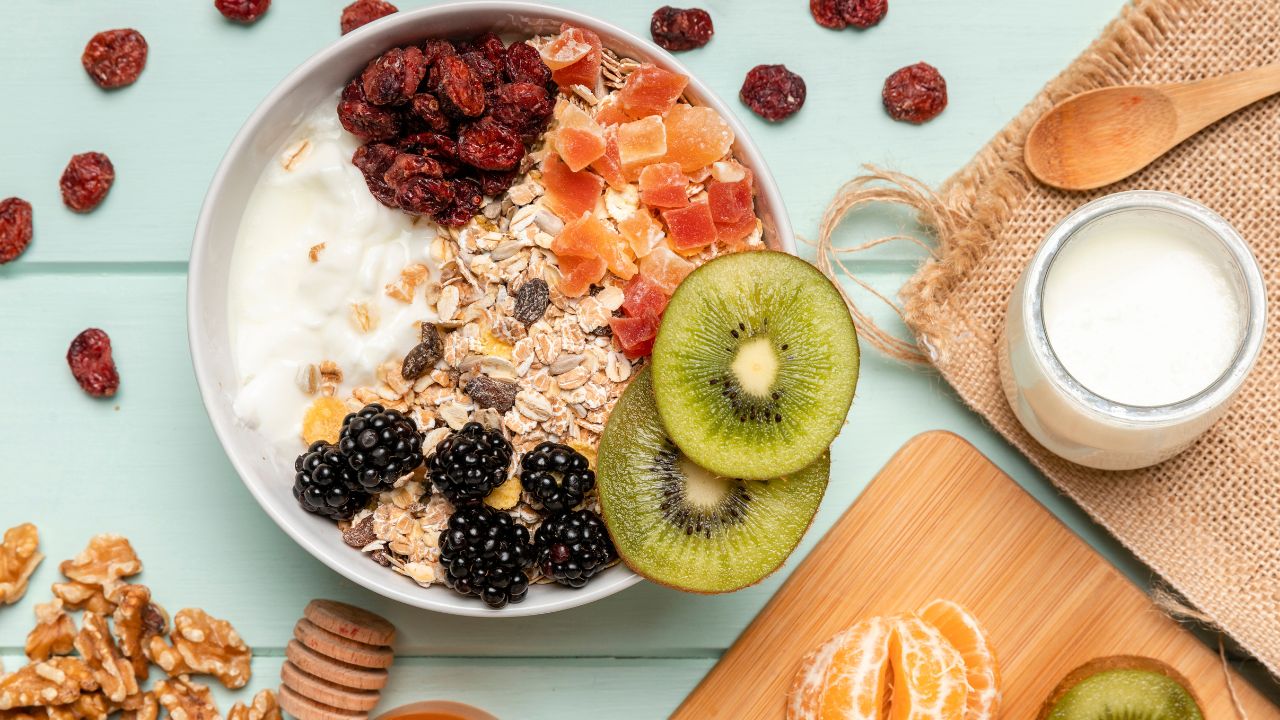
Breakfast has been called the most important meal of the day, praised, debated, and reimagined by scientists, dietitians, and wellness influencers alike. But when you strip away the marketing noise and look at the clinical evidence, what does evidence-based nutrition actually tell us about starting your day right? This comprehensive guide covers everything from the science of a nutrition breakfast to busting stubborn diet misconceptions, separating superfoods explained from superfoods exaggerated, and delivering practical, delicious recipes built on real nutritional science.
Whether you are trying to lose weight, boost energy, support your gut, or simply eat smarter, the principles of evidence-based nutrition will help you build a morning routine grounded in research rather than trends. Read every section because each one connects to the next, creating a complete picture of how your breakfast choices ripple through your entire day.
1. Why Breakfast Matters: The Science Behind Your First Meal
The idea that breakfast is uniquely important has scientific support, though it is more nuanced than the phrase makes it sound. Research consistently shows that people who eat a balanced nutrition breakfast tend to have better micronutrient intake, improved cognitive performance in the morning, and greater dietary quality overall across the day. A 2020 meta-analysis published in the journal Nutrients found that breakfast eaters had significantly higher intakes of vitamins and minerals, particularly calcium, iron, B vitamins, and folate, compared to breakfast skippers.
However, evidence-based nutrition cautions us against oversimplification. Intermittent fasting, which often involves skipping breakfast, has also shown metabolic benefits in controlled studies. The takeaway is not that everyone must eat breakfast, but that if you do eat breakfast, the quality of that meal matters enormously. A bowl of refined cereal with added sugar is categorically different from an egg-based meal with vegetables and whole grains, even though both qualify as ‘breakfast.’
The timing of your first meal interacts with your circadian rhythm, the internal biological clock that regulates hunger hormones like ghrelin and satiety hormones like leptin and peptide YY. Eating a larger, protein-rich meal earlier in the day appears to align better with these rhythms, which is why chrononutrition, an emerging field within evidence-based nutrition, recommends front-loading calories toward the morning and afternoon rather than the evening.
The Glycemic Impact of Morning Meals
Your body is particularly sensitive to blood glucose in the morning. Insulin sensitivity tends to be higher early in the day, meaning your cells respond more efficiently to carbohydrates consumed at breakfast than to identical carbohydrates eaten at dinner. This is a critical insight from evidence-based nutrition that challenges the diet misconception that all carbs are inherently bad. Carbs and weight loss are far more nuanced than a simple equation of ‘eat fewer carbs, lose weight.’
A nutrition breakfast that includes moderate amounts of low-glycemic carbohydrates, such as oats, sweet potatoes, or whole grain bread, alongside protein and healthy fat, produces a slower, more sustained glucose release. This keeps energy stable, reduces mid-morning hunger, and prevents the dopamine-driven craving cycles that drive overeating later in the day.
2. Busting the Biggest Diet Misconceptions About Breakfast
Diet misconceptions are everywhere, and breakfast is one of the most myth-laden meals in nutrition culture. Let us systematically dismantle the most persistent ones using the lens of evidence-based nutrition.
Misconception 1: Skipping Breakfast Boosts Weight Loss
This is one of the most widespread diet misconceptions in weight management culture. The reality is more complex. Some people do experience appetite suppression and calorie reduction by skipping breakfast, particularly within structured intermittent fasting protocols. But population-level data consistently associates breakfast skipping with higher BMI, poorer dietary quality, and greater risk of metabolic syndrome, especially in children and adolescents.
The mechanism matters here. When breakfast is skipped without a deliberate strategy, hunger hormones spike by mid-morning, leading to larger, less controlled meals later in the day. Calories and weight loss are ultimately governed by total daily energy balance, but a nutrition breakfast helps regulate the hormonal environment that influences that balance throughout the day.
Misconception 2: Eggs Are Bad for Your Heart
For decades, dietary cholesterol in eggs was blamed for cardiovascular disease. This is a classic diet misconception that evidence-based nutrition has largely corrected. Current research, including a 2019 study in the American Journal of Clinical Nutrition, suggests that for most healthy individuals, eating up to two eggs per day does not significantly raise LDL cholesterol and does not increase cardiovascular risk. Eggs are one of the most nutrient-dense foods available, providing complete protein, choline, lutein, zeaxanthin, and B12.
The real dietary drivers of heart disease are saturated fat, trans fat, excess sodium, and ultra-processed foods, not the dietary cholesterol in whole eggs. A nutrition breakfast built around eggs is a scientifically sound choice for most people.
Misconception 3: Fruit Is Too High in Sugar
This diet misconception has frightened people away from one of the most nutrient-dense food groups on the planet. Yes, fruit contains fructose. But whole fruit also contains fiber, which slows fructose absorption and blunts the glycemic response. It contains antioxidants, vitamins, minerals, and phytonutrients that collectively reduce inflammation and chronic disease risk. The evidence is unambiguous: populations that consume more whole fruit have lower rates of obesity, type 2 diabetes, and cardiovascular disease.
The sugar in a whole apple behaves metabolically very differently from the fructose in a sugary drink, even if the gram count is similar. Evidence-based nutrition focuses on food matrices, not isolated nutrients, and the fruit matrix is overwhelmingly health-supportive.
Misconception 4: Breakfast Must Be Eaten Immediately After Waking
There is no clinical evidence that eating within minutes of waking is superior to eating within one to two hours. What matters more is the composition of your nutrition breakfast and your total daily dietary pattern. Forcing yourself to eat immediately when you are not hungry can interfere with natural satiety cues and reduce dietary enjoyment, both of which matter for long-term adherence to healthy eating.
3. Carbs and Weight Loss: What the Evidence Actually Says
No nutrition topic generates more confusion than carbohydrates. The carbs and weight loss debate has spawned dozens of competing dietary philosophies, from keto to low-GI to WFPB, each claiming to have the definitive answer. Evidence-based nutrition offers a more measured perspective.
Carbohydrates are not inherently fattening. Weight gain occurs when total calorie intake consistently exceeds total calorie expenditure. However, the type and quality of carbohydrates profoundly influence hunger, satiety, insulin dynamics, and gut microbiome composition, all of which indirectly affect body weight and metabolic health.
Refined vs. Whole Carbohydrates
Refined carbohydrates, white bread, sugary cereals, pastries, and sweetened beverages, are stripped of fiber and rapidly absorbed, causing sharp glucose and insulin spikes followed by energy crashes and rebound hunger. This cycle directly promotes overeating and, over time, insulin resistance. This is the legitimate concern behind anti-carb messaging, but it applies specifically to refined carbs, not to whole food carbohydrates.
Whole carbohydrates, oats, quinoa, sweet potatoes, legumes, and whole grain bread, behave entirely differently. Their fiber content slows digestion, feeds beneficial gut bacteria, promotes satiety hormones, and produces a much more gradual glycemic response. Carbs and weight loss outcomes are dramatically different depending on which category of carbohydrate you choose.
The Glycemic Index and Its Limits
The glycemic index ranks foods by how quickly they raise blood glucose. It is a useful tool but an imperfect one. Evidence-based nutrition now leans more heavily on glycemic load, which accounts for both the quality and quantity of carbohydrates in a realistic portion. Watermelon has a high glycemic index but a low glycemic load because a typical serving contains very little carbohydrate. Context matters enormously.
More importantly, combining carbohydrates with protein, fat, or fiber significantly reduces the glycemic response of any meal. A slice of white bread eaten alone has a very different effect than the same bread eaten as part of a meal with eggs, avocado, and vegetables. This is why pattern-based thinking, rather than single-food thinking, is central to evidence-based nutrition.
Low-Carb Diets: Are They Superior?
Short-term studies consistently show that low-carbohydrate diets produce faster initial weight loss than low-fat diets. This is largely due to glycogen depletion and associated water loss, as each gram of glycogen is stored with approximately three grams of water. Once glycogen stores are depleted, scale weight drops rapidly, which is motivating but not entirely reflective of fat loss.
Long-term studies tell a different story. At 12 months and beyond, low-carb and low-fat diets produce similar weight loss outcomes, and adherence is the strongest predictor of success for any dietary pattern. This is a crucial insight from evidence-based nutrition: the best diet for carbs and weight loss is the one you can actually sustain. If you enjoy oats in the morning and feel energized by them, a low-carb breakfast is unlikely to serve you well over the long term.
4. Superfoods Explained: Separating Science from Marketing
The term ‘superfood’ does not exist in clinical nutrition literature. It is a marketing construct. That said, some foods do have an exceptional concentration of beneficial nutrients and bioactive compounds, and understanding which ones genuinely deserve their reputation is an important exercise in evidence-based nutrition. Here is superfoods explained through a scientific lens.
Oats: The Underrated Breakfast Champion
Oats may be the most evidence-backed nutrition breakfast food available. Beta-glucan, a soluble fiber found abundantly in oats, has robust clinical evidence for reducing LDL cholesterol, improving blood glucose control, and enhancing satiety. The FDA approved a health claim for oat beta-glucan and heart disease in 1997, one of the few such claims based on multiple large clinical trials.
Oats also contain avenanthramides, unique antioxidants with anti-inflammatory and anti-itch properties, and a complete amino acid profile superior to most other grains. Steel-cut and rolled oats are preferable to instant varieties because they retain more fiber and have a lower glycemic index. If you want superfoods explained in practical terms, start with oats. They are affordable, versatile, scientifically validated, and genuinely supportive of long-term health.
Berries: Antioxidant Powerhouses
Blueberries, strawberries, raspberries, and blackberries consistently rank among the highest antioxidant foods measured by ORAC (Oxygen Radical Absorbance Capacity). Their polyphenol content, particularly anthocyanins, has been linked in clinical studies to improved cognitive function, reduced blood pressure, better insulin sensitivity, and lower inflammatory markers. A 2019 randomized controlled trial found that daily blueberry consumption improved memory and executive function in older adults.
Berries are also relatively low in sugar compared to other fruits and high in fiber, making them an ideal nutrition breakfast addition. Add them to oatmeal, blend them into smoothies, or simply eat them alongside eggs. Their benefits are broad and their caloric cost is low.
Eggs: The Complete Protein
Eggs score 100 on the Protein Digestibility Corrected Amino Acid Score (PDCAAS), making them the gold standard of dietary protein quality. They contain all nine essential amino acids in ideal proportions, making them particularly effective for muscle protein synthesis. Beyond protein, eggs provide choline, a nutrient essential for brain development and liver function that most people are deficient in, as well as lutein and zeaxanthin, carotenoids that accumulate in the retina and protect against macular degeneration.
As part of superfoods explained, eggs are perhaps the single most complete and evidence-validated whole food available, particularly for a nutrition breakfast.
Greek Yogurt: The Probiotic Protein Source
Full-fat Greek yogurt provides a trifecta of benefits for a nutrition breakfast: high-quality protein (typically 15-20 grams per cup), live probiotic cultures that support gut microbiome diversity, and calcium for bone health. The protein content of Greek yogurt rivals that of eggs and produces strong satiety signals through GLP-1 and CCK hormone release.
Choose plain, unsweetened varieties to avoid the substantial added sugar found in most flavored options. Add your own berries, nuts, or a drizzle of raw honey for flavour and additional nutrient density.
Avocado: Heart-Healthy Fats for Sustained Energy
Avocado is rich in monounsaturated fatty acids, particularly oleic acid, the same fatty acid that makes extra-virgin olive oil beneficial. These fats reduce LDL cholesterol, raise HDL cholesterol, reduce inflammation, and enhance the absorption of fat-soluble nutrients like vitamins A, D, E, K, and lycopene. Avocado also contains potassium, magnesium, folate, and almost 7 grams of fiber per half fruit.
Adding avocado to a nutrition breakfast, whether sliced on whole grain toast, blended into a smoothie, or served alongside eggs, significantly increases the nutritional density of the meal and promotes lasting satiety.
Chia Seeds: Tiny Nutritional Giants
Chia seeds contain omega-3 fatty acids in the form of ALA (alpha-linolenic acid), soluble fiber that forms a gel and slows digestion, calcium, magnesium, and phosphorus. Just two tablespoons provide 10 grams of fiber, nearly 40 percent of the recommended daily intake. Their ability to absorb liquid and form a gel makes them uniquely useful for controlling appetite and blood glucose.
Read also Beginner Nutrition Guide: Simple Steps to Healthy Eating and a Balanced Diet.
5. Building the Perfect Nutrition Breakfast: Evidence-Based Principles
Drawing on the research covered above, here are the core principles of evidence-based nutrition applied specifically to morning meal construction.
Principle 1: Anchor Every Breakfast with Protein
Protein is the most satiating macronutrient. It activates GLP-1, GIP, peptide YY, and cholecystokinin, all of which signal fullness to the brain. It also requires more energy to digest (higher thermic effect of food) and prevents lean muscle loss during calorie restriction. Aim for 20-30 grams of protein at breakfast, an amount that research shows produces meaningfully greater satiety than 10-15 grams.
Sources for a nutrition breakfast: eggs, Greek yogurt, cottage cheese, smoked salmon, turkey, tempeh, edamame, or protein-rich smoothies with a clean protein powder.
Principle 2: Include Fiber-Rich Carbohydrates
Not all carbohydrates behave the same in your body. For a nutrition breakfast, choose carbohydrates that come packaged with fiber: oats, whole grain bread, sweet potato, quinoa, or legumes. These slow glucose absorption, feed gut bacteria, and extend satiety. Target at least 8-10 grams of fiber at breakfast.
Principle 3: Add Healthy Fats for Satiety and Nutrient Absorption
Fat slows gastric emptying, extends the period of satiety, and is essential for absorbing fat-soluble vitamins. Add avocado, nuts, seeds, extra-virgin olive oil, or full-fat dairy to your nutrition breakfast. Healthy fats do not cause weight gain when consumed in appropriate amounts within a balanced dietary pattern, another important principle of evidence-based nutrition that counters persistent diet misconceptions.
Principle 4: Include Vegetables Where Possible
Most people consume far fewer vegetables than recommended. Breakfast is an underutilized opportunity to increase vegetable intake. Add spinach or kale to smoothies, include sauteed vegetables with eggs, or top avocado toast with tomatoes and microgreens. Vegetables provide fiber, micronutrients, and phytonutrients with virtually no caloric cost.
Principle 5: Minimize Added Sugar
The World Health Organization recommends limiting added sugar to less than 10 percent of total daily energy intake. Many marketed ‘healthy’ breakfast foods, including yogurt parfaits, granola bars, flavored oatmeal packets, fruit juices, and commercial smoothies, contain 20-40 grams of added sugar per serving. Read labels carefully and choose whole food sources of sweetness, such as fresh fruit, when possible.
6. Evidence-Based Nutrition Breakfast Recipes
The following recipes are built on the principles of evidence-based nutrition. Each one is designed to deliver protein, fiber, healthy fat, and micronutrients in a practical, delicious package.
Recipe 1: The Power Oat Bowl
This nutrition breakfast is built around the proven benefits of oat beta-glucan, combined with protein from Greek yogurt and antioxidants from berries. It takes 10 minutes and provides approximately 420 calories, 22g protein, 12g fiber, and 14g fat.
- Half cup steel-cut or rolled oats
- One cup water or unsweetened almond milk
- Half cup plain full-fat Greek yogurt
- Half cup mixed berries (fresh or frozen)
- One tablespoon chia seeds
- One tablespoon almond butter
- Pinch of cinnamon
- Optional: drizzle of raw honey
Instructions: Cook oats in liquid according to package directions. Transfer to a bowl. Top with Greek yogurt, berries, chia seeds, and almond butter. Sprinkle cinnamon on top. The combination of beta-glucan from oats, protein from yogurt, omega-3s from chia seeds, and antioxidants from berries creates one of the most nutritionally complete nutrition breakfast options available.
Recipe 2: The Veggie Egg Scramble
Eggs are the cornerstone of this nutrition breakfast, providing complete protein, choline, and fat-soluble vitamins. The addition of vegetables and avocado makes it a genuinely evidence-backed morning meal. Approximately 480 calories, 28g protein, 9g fiber, 32g fat.
- 3 large eggs
- 1 cup baby spinach
- Half red bell pepper, diced
- Quarter red onion, diced
- Half avocado, sliced
- 1 tablespoon extra-virgin olive oil
- Sea salt, black pepper, turmeric to taste
- Optional: whole grain toast, one slice
Instructions: Heat olive oil in a pan over medium heat. Saute onion and bell pepper for 3-4 minutes until softened. Add spinach and cook until wilted, about 1 minute. Whisk eggs with salt, pepper, and a pinch of turmeric (curcumin enhances the anti-inflammatory profile of this nutrition breakfast). Pour over vegetables and scramble gently until just set. Serve with sliced avocado and optional whole grain toast.
Recipe 3: The Chia Protein Pudding
This make-ahead nutrition breakfast is ideal for busy mornings. It provides a substantial dose of omega-3s, fiber, protein, and probiotics with minimal morning effort. Approximately 380 calories, 18g protein, 14g fiber, 16g fat.
- 3 tablespoons chia seeds
- 1 cup unsweetened almond milk or full-fat coconut milk
- Half cup plain Greek yogurt
- 1 tablespoon maple syrup or raw honey
- Half teaspoon vanilla extract
- Top with: sliced kiwi, walnuts, a sprinkle of cacao nibs
Instructions: The night before, combine chia seeds, milk, maple syrup, and vanilla in a jar. Stir well, then refrigerate overnight. In the morning, stir again and top with Greek yogurt, kiwi, walnuts, and cacao nibs. This nutrition breakfast takes 3 minutes in the morning and delivers steady energy for hours.
Recipe 4: The Salmon Avocado Toast
This nutrition breakfast delivers a powerful combination of omega-3 fatty acids from salmon, heart-healthy monounsaturated fats from avocado, and whole grain fiber from the bread. It is one of the most evidence-backed high-performance morning meals. Approximately 440 calories, 26g protein, 8g fiber, 22g fat.
- 2 slices whole grain sourdough bread
- Half ripe avocado
- 80g smoked salmon or canned wild salmon
- 1 tablespoon capers
- Squeeze of fresh lemon juice
- Red pepper flakes, black pepper
- Optional: 2 soft-boiled eggs for additional protein
Instructions: Toast the bread until golden. Mash avocado with lemon juice, salt, and pepper, and spread generously on the toast. Layer smoked salmon on top. Add capers, red pepper flakes, and an extra squeeze of lemon. Top with soft-boiled eggs if using. This is the kind of nutrition breakfast that satisfies for four to five hours without a mid-morning energy crash.
Recipe 5: The Green Protein Smoothie
Smoothies are often loaded with sugar and low in protein, making them a diet misconception wrapped in healthy packaging. This version flips the script with evidence-based ingredient choices. Approximately 390 calories, 30g protein, 11g fiber, 12g fat.
- 1 large handful baby spinach or kale
- Half frozen banana
- Half cup frozen mango chunks
- 1 tablespoon chia seeds
- 1 tablespoon almond butter
- 1 scoop plain whey or plant protein powder
- 1 cup unsweetened almond milk
- Half teaspoon turmeric, pinch of black pepper
Instructions: Add all ingredients to a blender and blend on high for 60-90 seconds until completely smooth. The black pepper activates curcumin absorption from the turmeric, a small but meaningful evidence-based nutrition detail. This nutrition breakfast is ready in under 5 minutes and provides a complete macronutrient profile that supports energy, muscle maintenance, and cognitive performance.
Recipe 6: The Quinoa Breakfast Bowl
Quinoa is one of the rare plant foods that provides a complete amino acid profile, making it an excellent protein source for plant-based eaters. This nutrition breakfast is particularly suitable for those who want carbs and weight loss support through sustained satiety. Approximately 460 calories, 20g protein, 10g fiber, 18g fat.
- Half cup cooked quinoa (cook the night before)
- Half cup plain Greek yogurt
- Quarter cup pomegranate seeds
- 1 tablespoon pumpkin seeds
- 1 tablespoon hemp seeds
- Half cup blueberries
- Drizzle of extra-virgin olive oil
- Pinch of sea salt and cinnamon
Instructions: Layer quinoa in a bowl, top with Greek yogurt, then arrange all toppings. Finish with a small drizzle of olive oil, which sounds unusual but actually rounds out the flavour and adds monounsaturated fats that improve fat-soluble vitamin absorption. This nutrition breakfast is as visually appealing as it is nutritionally complete.
7. Evidence-Based Nutrition for Special Dietary Needs
Nutrition Breakfast for Diabetes and Insulin Resistance
For individuals with type 2 diabetes or insulin resistance, carbs and weight loss considerations are particularly important at breakfast. The morning cortisol spike creates a natural period of reduced insulin sensitivity, making high-glycemic breakfasts especially problematic. Evidence-based nutrition recommendations for this group include prioritizing protein and fat at breakfast, limiting carbohydrates to fiber-rich, low-GI sources, avoiding fruit juice, and including resistance-trained muscle mass through regular exercise to improve insulin sensitivity over time.
The best nutrition breakfast choices for blood sugar management include eggs with vegetables, plain Greek yogurt with berries and nuts, or chia pudding with minimal sweeteners. Clinical evidence supports protein intakes of 25-30 grams at breakfast specifically for improving postprandial glucose control in people with type 2 diabetes.
Nutrition Breakfast for Athletes and Active Individuals
Athletes have elevated protein and carbohydrate requirements, particularly on training days. A pre-exercise nutrition breakfast should prioritize easily digestible carbohydrates for energy, moderate protein for muscle protection, and low fat to avoid slowing gastric emptying. A post-exercise nutrition breakfast should emphasize protein for muscle protein synthesis alongside carbohydrates to replenish glycogen.
Evidence-based nutrition for athletic performance recommends consuming 0.4g of protein per kilogram of body weight within two hours of resistance training. For a 75kg athlete, this means approximately 30g of protein in the post-workout nutrition breakfast, achievable with three eggs, a Greek yogurt, or a protein smoothie.
Plant-Based Nutrition Breakfast Options
A common concern about plant-based diets is protein quality and completeness. Evidence-based nutrition addresses this by emphasizing protein complementarity across the day, rather than requiring complete proteins at every meal. A plant-based nutrition breakfast can achieve complete amino acid coverage by combining grains with legumes, seeds with dairy-free yogurt, or tofu with whole grains.
Excellent plant-based nutrition breakfast choices include: tofu scramble with vegetables, tempeh with whole grain toast and avocado, overnight oats with hemp seeds and nut butter, or a smoothie bowl with spirulina, banana, and mixed seeds. Iron and zinc absorption from plant sources is enhanced by including vitamin C-rich foods, such as bell peppers or citrus, in the same meal.
8. The Gut Microbiome and Your Breakfast Choices
One of the most exciting frontiers in evidence-based nutrition is microbiome science. The trillions of bacteria living in your gut profoundly influence immunity, mood, weight regulation, and even cognitive function. Your nutrition breakfast choices directly shape the composition of your microbiome within days.
Fermented foods like Greek yogurt, kefir, and kimchi introduce beneficial bacteria directly into the gut. Prebiotic fibers, found in oats, bananas, garlic, onions, and legumes, feed existing beneficial bacteria and encourage their proliferation. A nutrition breakfast that includes both prebiotics and probiotics creates synergistic effects on gut health.
Research published in Cell in 2021 found that a high-fiber diet and a fermented food diet both improve microbiome diversity, with the fermented food diet producing faster and more consistent benefits for immune markers. Including both strategies in your nutrition breakfast, for example, Greek yogurt with oats and berries, is a simple way to support gut health daily.
9. Common Nutrition Breakfast Mistakes and How to Fix Them
Even well-intentioned eaters make predictable nutrition breakfast mistakes. Here are the most common ones and their evidence-based corrections.
- Mistake: Eating only fruit in the morning. Fix: Fruit alone provides limited protein and may cause blood sugar instability. Add Greek yogurt, eggs, or nuts to complete the macronutrient profile.
- Mistake: Drinking fruit juice instead of eating whole fruit. Fix: Juice removes fiber and dramatically increases glycemic impact. Eat the whole fruit or blend it into a smoothie that retains the fiber.
- Mistake: Choosing low-fat flavored yogurt. Fix: Low-fat yogurt often compensates with added sugar. Choose full-fat plain yogurt and add your own toppings.
- Mistake: Eating a large carbohydrate-only breakfast. Fix: Always pair carbohydrates with protein and fat to slow absorption and extend satiety.
- Mistake: Relying on commercial granola. Fix: Most commercial granola is high in added sugar and refined oil. Make your own with oats, nuts, seeds, and minimal honey, or choose carefully labelled options with fewer than 5g of added sugar per serving.
- Mistake: Skipping breakfast and then overeating at lunch. Fix: If you are not hungry in the morning, start small, a handful of nuts and some berries, rather than skipping entirely, unless you are following a structured fasting protocol.
10. Practical Meal Prep: Making Evidence-Based Nutrition Sustainable
Knowledge of evidence-based nutrition is only valuable if it translates into consistent action. Meal preparation is the bridge between knowing what to eat and actually eating it. Here are practical strategies for making a high-quality nutrition breakfast a daily reality.
Batch Cooking Strategies
Hard-boil a dozen eggs on Sunday and store in the refrigerator for up to one week. Make a large batch of overnight oats in individual jars, ready to grab each morning. Pre-portion chia pudding into five jars on Sunday evening. Cook a large pot of quinoa that can be used in both breakfast bowls and lunch salads throughout the week.
Freezer-Friendly Options
Smoothie packs are one of the most efficient time-saving strategies in evidence-based nutrition. Portion individual smoothie ingredients into freezer bags, including pre-cut fruit, spinach, and seeds, and freeze. Each morning, empty one bag into the blender with milk or yogurt, blend, and go. This eliminates decision fatigue and ensures a consistent, high-quality nutrition breakfast even on the busiest mornings.
Building a Nutrition Breakfast Grocery List
Keep these staples stocked consistently and your nutrition breakfast options become almost effortless:
- Proteins: eggs, Greek yogurt, cottage cheese, smoked salmon, protein powder
- Whole grains: steel-cut oats, whole grain sourdough, quinoa
- Fruits: berries (fresh or frozen), banana, kiwi, mango
- Healthy fats: avocado, almond butter, chia seeds, walnuts, extra-virgin olive oil
- Vegetables: baby spinach, kale, bell peppers, cherry tomatoes
- Flavour enhancers: cinnamon, turmeric, vanilla extract, raw honey
Conclusion: Trust Evidence-Based Nutrition, Not Wellness Trends
The world of nutrition breakfast advice is noisy, contradictory, and frequently driven by commercial interests rather than clinical evidence. Diet misconceptions flourish in this environment, convincing people that carbs and weight loss are enemies, that superfoods explained by a marketing team are more valuable than humble whole foods, and that expensive products can do what a disciplined, evidence-backed dietary pattern does better and cheaper.
The truth that evidence-based nutrition reveals is simultaneously simpler and more empowering. Your nutrition breakfast does not need to be complicated or expensive. It needs to be built from whole, minimally processed foods that provide adequate protein, quality carbohydrates, healthy fats, and a diverse range of micronutrients. Eggs, oats, Greek yogurt, berries, avocado, nuts, seeds, and vegetables are not glamorous, but they are scientifically validated, affordable, and genuinely transformative when consumed consistently.
Carbs and weight loss are not the adversarial relationship wellness culture has made them out to be. The right carbohydrates, consumed in the right context alongside protein and fat, support sustained energy, appetite regulation, gut health, and long-term metabolic resilience. Superfoods explained through an honest scientific lens are foods like oats and berries, not exotic powders and miracle supplements.
Most importantly, evidence-based nutrition is a tool for liberation, not restriction. It gives you the scientific framework to cut through diet misconceptions, make genuinely informed choices, and build a nutrition breakfast practice that serves your health for decades, not just until the next wellness trend arrives.
Start tomorrow morning. Choose one recipe from this guide. Build the habit. Trust the evidence. Your body already knows how to do the rest.
Frequently Asked Questions
The best high-protein nutrition breakfast for weight loss combines 25-30 grams of protein with fiber-rich carbohydrates and healthy fat.
The idea that breakfast ‘kickstarts’ metabolism is a partially accurate diet misconception. Eating does increase the thermic effect of food, meaning your body burns slightly more calories digesting the meal. However, there is no clinical evidence that eating breakfast specifically accelerates basal metabolic rate beyond this temporary effect.
Yes. Multiple foods associated with a high-quality nutrition breakfast have clinically demonstrated anti-inflammatory effects.
Eggs provide choline, a precursor to acetylcholine, the neurotransmitter involved in memory and attention. Berries contain anthocyanins that cross the blood-brain barrier and reduce oxidative stress in neural tissue. Oats provide slow-release glucose that fuels the brain without the crashes associated with refined carbohydrates. Walnuts provide ALA omega-3s and vitamin E, both associated with cognitive protection. A nutrition breakfast combining these ingredients supports sustained focus, working memory, and mental clarity throughout the morning.
Carbs and weight loss aside, the impact of breakfast carbohydrates on energy is significant. Refined carbohydrates produce a rapid glucose spike followed by an insulin-mediated crash that leaves many people tired, unfocused, and hungry by mid-morning.