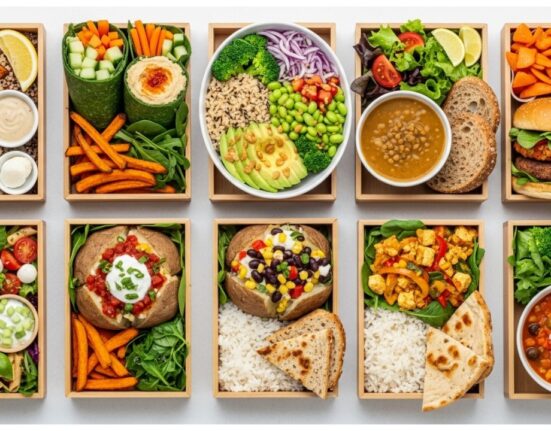

Why Your Nutritious Lunch Is the Most Underrated Meal of the Day
Most people spend considerable time thinking about breakfast and dinner, yet the midday meal he nutritious lunch is arguably the most powerful meal for maintaining energy, supporting mental clarity, and driving long-term health outcomes. Evidence from nutritional science consistently shows that what you eat at lunch has a direct impact on your afternoon productivity, mood, hunger regulation, and even your sleep quality that night.
Whether you are looking to lose weight, build muscle, boost your afternoon focus, or simply feel better in your skin, the principles of a truly nutritious lunch apply universally. Let us explore them in depth.
1. What Makes a Lunch Truly Nutritious? The Science of Macronutrient Balance
A nutritious lunch is not simply a meal that tastes good or fills you up temporarily. By scientific definition, it is a meal that provides the right proportion of macronutrients proteins, carbohydrates, and fats along with adequate micronutrients, fiber, and hydration to fuel your body and brain through the afternoon and into the evening.
Research published in the Journal of Nutrition has established that meal composition at lunchtime significantly influences postprandial (after-meal) blood glucose response, satiety hormone levels, and cognitive performance. A meal high in refined carbohydrates and low in protein leads to a rapid spike and subsequent crash in blood sugar, causing the familiar ‘afternoon slump.’ Conversely, a nutritious lunch built around lean protein, complex carbohydrates, and healthy fats produces a slow, sustained energy release that keeps focus sharp and hunger at bay for three to five hours.
The Ideal Macronutrient Ratio for Lunch
While individual needs vary based on age, weight, activity level, and health goals, most nutrition experts and clinical dietitians recommend the following general distribution for a nutritious lunch:
| Macronutrient | Percentage of Lunch Calories | Example Amount (500 kcal lunch) |
| Protein | 25–35% | 35–45g |
| Complex Carbohydrates | 35–45% | 55–65g |
| Healthy Fats | 20–30% | 15–20g |
| Fiber | Target: 8–12g | From veg, legumes, whole grains |
The caloric target for lunch will vary widely a sedentary adult might aim for 400–550 calories, while an active individual or athlete may need 600–900 calories. The key is that the quality and composition of those calories matters far more than the number alone.
learn more: Macronutrients Made Simple: Fuel Your Body the Right Way.
Why Micronutrients Matter at Lunch
Beyond macros, a genuinely nutritious lunch supplies vitamins and minerals that support immune function, bone health, hormonal balance, and neurological function. Iron, zinc, B vitamins, magnesium, and vitamin C are all particularly important at midday. Pairing iron-rich foods like lentils or lean beef with vitamin C-rich foods such as bell peppers or tomatoes enhances iron absorption by up to 67%, according to research in the American Journal of Clinical Nutrition.
Lunch is also an ideal opportunity to consume the majority of your daily vegetable intake. Most people fall far short of the recommended five to nine servings of fruits and vegetables per day, and a nutritious lunch loaded with leafy greens, cruciferous vegetables, and colorful produce can single-handedly close that gap.
learn more: Micronutrients Uncovered: Tiny Nutrients, Big Impact.
2. The Best Protein Sources for a Nutritious Lunch
Protein is the cornerstone of any nutritious lunch. It stimulates the release of satiety hormones like peptide YY and GLP-1 while suppressing ghrelin, the hunger hormone. High-quality protein also supports muscle protein synthesis, immune function, and the production of neurotransmitters like dopamine and serotonin that govern mood and motivation.
The Protein Digestibility Corrected Amino Acid Score (PDCAAS) is the gold standard for measuring protein quality. Foods with a PDCAAS of 1.0 the maximum provide all essential amino acids in optimal proportions for human health. Here are the top protein sources to build your nutritious lunch around:
Animal-Based Proteins
- Grilled chicken breast (31g protein per 100g, PDCAAS 0.92): Lean, versatile, and easy to prepare in bulk for meal prep.
- Canned or fresh tuna (30g protein per 100g, PDCAAS 1.0): Rich in omega-3 fatty acids, quick to prepare, and affordable.
- Eggs (13g per 100g, PDCAAS 1.0): Hard-boiled eggs are a portable, complete protein source ideal for salad additions.
- Greek yogurt (10g per 100g): Doubles as protein and probiotic, excellent for dressings or as a side.
- Lean beef or turkey (26–28g per 100g): Supports iron intake alongside protein; choose grass-fed where possible.
- Salmon (25g per 100g): Exceptional omega-3 content alongside complete protein for brain and cardiovascular health.
Plant-Based Proteins
- Lentils (18g per cooked cup, PDCAAS 0.52): Combine with rice or whole grain bread to complete amino acid profile.
- Chickpeas (15g per cooked cup): Incredibly versatile in salads, wraps, roasted for crunch, or as hummus.
- Tofu (17g per 100g, PDCAAS 1.0 for fermented soy): A complete plant protein that absorbs the flavor of any marinade.
- Edamame (17g per cup): Ready to eat after steaming; a perfect salad topper or side dish.
- Tempeh (19g per 100g): Fermented soy with higher bioavailability and gut health benefits.
- Black beans (15g per cup): Excellent fiber-to-protein ratio, great in grain bowls and wraps.
The evidence is clear: aiming for at least 25–35 grams of protein at lunch is one of the most impactful nutritional habits you can adopt. Studies show this amount is sufficient to maximally stimulate muscle protein synthesis at a single meal and maintain satiety for three to four hours.
3. Fiber, Carbohydrates, and Blood Sugar: Building a Balanced Lunch Plate
Carbohydrates have been unfairly demonized in popular diet culture, but the science tells a more nuanced story. The type and quality of carbohydrate in your nutritious lunch matters enormously far more than the total quantity. Complex carbohydrates rich in dietary fiber are digested slowly, producing a gradual rise in blood glucose that sustains energy without triggering the insulin spike and subsequent crash associated with refined carbs.
Best Carbohydrate Choices for Lunch
| Food | Glycemic Index | Fiber (per serving) | Key Benefit |
| Quinoa (1 cup cooked) | 53 (Low) | 5g | Complete protein + complex carb |
| Sweet potato (1 medium) | 63 (Medium) | 4g | Beta-carotene, potassium |
| Brown rice (1 cup cooked) | 50 (Low) | 3.5g | Magnesium, sustained energy |
| Lentils (1 cup cooked) | 32 (Low) | 15.6g | Exceptional fiber + protein |
| Whole grain bread (2 slices) | 51 (Low) | 4g | Portable, versatile |
| Barley (1 cup cooked) | 28 (Low) | 6g | Beta-glucan for cholesterol |
| Chickpeas (1 cup) | 28 (Low) | 12.5g | Resistant starch for gut health |
The Role of Fiber in a Nutritious Lunch
Dietary fiber is one of the most underconsumed yet most powerful nutrients in the modern diet. The average adult in developed countries consumes only 15–17 grams of fiber per day, well below the recommended 25–38 grams. Your nutritious lunch is an ideal opportunity to close that gap significantly.
Soluble fiber, found in oats, legumes, and certain fruits, forms a gel in the digestive tract that slows glucose absorption and helps lower LDL cholesterol. Insoluble fiber, found in vegetables, whole grains, and seeds, adds bulk to stool and supports digestive regularity. A nutritious lunch incorporating both types of fiber from diverse plant sources supports gut microbiome diversity a key marker of long-term health.
Research from Harvard’s School of Public Health consistently demonstrates that higher dietary fiber intake is associated with a 15–30% reduction in risk for cardiovascular disease, type 2 diabetes, colorectal cancer, and all-cause mortality. Getting 8–12 grams of fiber at lunch is both realistic and highly impactful.
4. Healthy Fats and Why They Belong in Every Nutritious Lunch
Dietary fat has been stigmatized for decades, but the scientific consensus has shifted decisively. Healthy fats monounsaturated and polyunsaturated fats — are essential for absorbing fat-soluble vitamins (A, D, E, K), synthesizing hormones, maintaining cell membrane integrity, and supporting brain health. Including healthy fats in your nutritious lunch enhances the absorption of fat-soluble micronutrients from the vegetables and whole foods on your plate.
Top Healthy Fat Sources for Lunch
- Avocado (1/2 medium): Rich in monounsaturated oleic acid and potassium; adds creaminess to salads and wraps.
- Extra virgin olive oil (1–2 tbsp): Polyphenol-rich; proven to reduce inflammatory markers by 17% in clinical trials.
- Walnuts (1 oz / 28g): Highest ALA omega-3 content of any nut; supports cognitive function and heart health.
- Chia seeds (2 tbsp): 5g ALA omega-3 per serving plus 10g fiber; ideal for grain bowls and yogurt.
- Salmon or sardines: EPA and DHA omega-3s reduce triglycerides, inflammation, and depression risk.
- Tahini (2 tbsp): Sesame paste rich in calcium, zinc, and monounsaturated fats; excellent in dressings.
A critical point: pairing healthy fats with colorful vegetables dramatically increases carotenoid absorption. A study in the American Journal of Clinical Nutrition found that adding avocado to a salad increased lycopene absorption by 444% and beta-carotene absorption by 1,226%. This is a compelling scientific argument for including healthy fat at every nutritious lunch.
5. Top 15 Nutritious Lunch Recipes for Every Lifestyle
A nutritious lunch does not need to be complicated or time-consuming. The following 15 recipes cover a range of dietary preferences, time constraints, and caloric needs, all meeting the evidence-based criteria of at least 25g protein, 8g fiber, and balanced macronutrient distribution.
Quick Lunches (Under 15 Minutes)
| Meal | Ingredients | Nutrition (per serving) |
|---|---|---|
| Grilled Chicken & Quinoa Power Bowl | 150g grilled chicken breast, 1 cup cooked quinoa, roasted cherry tomatoes, cucumber, 1/4 avocado, lemon-tahini dressing | 520 kcal • 42g protein • 45g carbs • 14g fat • 9g fiber |
| Tuna & White Bean Salad | 1 can tuna in olive oil, 1/2 cup white beans, arugula, red onion, capers, Dijon mustard vinaigrette | 420 kcal • 38g protein • 32g carbs • 10g fat • 10g fiber |
| Greek Yogurt Chicken Wrap | Whole grain wrap, 120g shredded rotisserie chicken, 3 tbsp Greek yogurt, spinach, cucumber, dill, lemon | 480 kcal • 40g protein • 42g carbs • 9g fat • 5g fiber |
| Lentil Soup with Whole Grain Bread | 1.5 cups red lentil soup (batch prep), 2 slices whole grain sourdough, side salad | 540 kcal • 28g protein • 72g carbs • 8g fat • 18g fiber |
| Smoked Salmon Avocado Toast | 2 slices whole grain rye bread, 80g smoked salmon, 1/2 avocado, red onion, capers, everything bagel seasoning | 490 kcal • 30g protein • 40g carbs • 18g fat • 8g fiber |
Meal-Prep Friendly Lunches
| Meal | Ingredients | Nutrition |
|---|---|---|
| Mason Jar Mediterranean Salad | Dressing at bottom, chickpeas, cherry tomatoes, cucumber, olives, feta, mixed greens at top | 410 kcal • 18g protein • 38g carbs • 20g fat • 12g fiber |
| Turkey & Vegetable Brown Rice Bowl | 150g lean ground turkey, 1 cup brown rice, roasted zucchini, bell pepper, broccoli, teriyaki sauce, sesame seeds | 550 kcal • 38g protein • 58g carbs • 12g fat • 7g fiber |
| Black Bean & Sweet Potato Burrito Bowl | 1 cup black beans, 1 medium roasted sweet potato, brown rice, salsa, Greek yogurt (instead of sour cream), cilantro | 530 kcal • 22g protein • 80g carbs • 6g fat • 18g fiber |
| Tofu Stir-Fry with Edamame & Noodles | 200g firm tofu, 1/2 cup edamame, soba noodles, bok choy, ginger-sesame sauce, scallions | 510 kcal • 32g protein • 52g carbs • 14g fat • 8g fiber |
| Egg & Vegetable Frittata Slice | 3-egg frittata slice with spinach, mushrooms, onion, cherry tomato, side of mixed greens, whole grain crackers | 390 kcal • 28g protein • 22g carbs • 20g fat • 5g fiber |
Plant-Based Nutritious Lunches
| Meal | Ingredients | Nutrition |
|---|---|---|
| Chickpea & Roasted Vegetable Grain Bowl | 1 cup chickpeas, farro, roasted cauliflower, red onion, zucchini, tahini dressing, pomegranate seeds, parsley | 490 kcal • 20g protein • 68g carbs • 14g fat • 14g fiber |
| Tempeh & Kale Caesar Salad | 150g baked tempeh, kale, whole grain croutons, vegan Caesar dressing (cashew base), nutritional yeast, lemon | 470 kcal • 28g protein • 38g carbs • 18g fat • 9g fiber |
| Lentil & Spinach Stuffed Peppers | 2 bell peppers, 1 cup green lentils, spinach, diced tomatoes, cumin, smoked paprika, feta crumble | 440 kcal • 24g protein • 58g carbs • 8g fat • 16g fiber |
| Walnut & Beet Quinoa Salad | 1 cup quinoa, roasted beets, walnuts, goat cheese, arugula, balsamic glaze, orange zest | 480 kcal • 18g protein • 52g carbs • 22g fat • 8g fiber |
| Edamame & Mango Brown Rice Bowl | 1 cup edamame, 1 cup brown rice, mango, cucumber, avocado, rice wine vinegar dressing, sesame seeds | 510 kcal • 22g protein • 72g carbs • 14g fat • 10g fiber |
6. Nutritious Lunch for Weight Loss: What the Research Says
When it comes to sustainable weight loss, the nutritious lunch plays a pivotal role that is often underestimated. Multiple randomized controlled trials have demonstrated that meal composition at lunchtime specifically protein and fiber content is a stronger predictor of overall daily caloric intake than breakfast composition. In other words, a well-structured nutritious lunch for weight loss can reduce your total daily calorie intake by preventing the afternoon hunger and evening overeating that derail most diets.
Key Research Findings on Lunch and Weight Loss
A landmark 2013 study published in the International Journal of Obesity followed 420 overweight adults for 20 weeks and found that those who ate their largest meal at lunchtime lost 25% more weight than those who ate their largest meal at dinner even with identical caloric intakes. This finding supports the concept of chrononutrition: the idea that when you eat matters as much as what you eat.
A meta-analysis published in Nutrients in 2020 analyzed 24 randomized controlled trials and found that high-protein lunches (>30g protein) reduced afternoon caloric intake by an average of 8–12% compared to low-protein lunches, equivalent to 80–140 calories a meaningful deficit over weeks and months.
Principles of a Weight-Loss Nutritious Lunch
- Prioritize volume: Choose foods with high water and fiber content (soups, salads, legumes) that fill your stomach with fewer calories.
- Protein first: Aim for 30–40g protein to maximize satiety hormone response and muscle preservation during a caloric deficit.
- Limit liquid calories: Avoid sugary drinks and calorie-dense sauces that add hundreds of calories with no satiety benefit.
- Avoid ultra-processed foods: These are engineered to override satiety signals; they cause overconsumption even in caloric restriction.
- Time your lunch strategically: Eating lunch between 12:00 and 1:30 PM aligns with circadian-driven insulin sensitivity and supports fat oxidation.
- Plate method: Fill half your plate with non-starchy vegetables, one quarter with lean protein, one quarter with complex carbs, and add a thumb-sized portion of healthy fat. read also: Beginner Nutrition Guide: Simple Steps to Healthy Eating and a Balanced Diet
7. Nutritious Lunch Ideas for Energy and Focus
The post-lunch energy crash medically known as the postprandial dip is experienced by an estimated 50–80% of working adults. While it has a circadian component (your body naturally has a slight dip in alertness around 1–3 PM), its severity is dramatically influenced by what you eat at your nutritious lunch.
Foods That Support Afternoon Energy and Cognitive Function
The brain consumes approximately 20% of the body’s total energy, relying primarily on glucose as fuel. But not all glucose is created equal. The quality of carbohydrates in your nutritious lunch determines whether that glucose arrives in a steady stream or a flood followed by a drought.
Brain-Boosting Lunch Foods
- Fatty fish (salmon, sardines, mackerel): EPA and DHA omega-3 fatty acids are structural components of neuronal membranes. Regular consumption is associated with 13–26% lower risk of cognitive decline.
- Dark leafy greens (spinach, kale, Swiss chard): Rich in folate, vitamin K, and lutein, nutrients associated with slower cognitive aging in the MIND diet study.
- Blueberries and other berries: Anthocyanins cross the blood-brain barrier and have been shown to improve working memory and executive function in controlled trials.
- Eggs: Choline content supports acetylcholine synthesis the neurotransmitter governing memory and attention.
- Walnuts: The only nut with significant ALA omega-3; associated with improved reaction time and memory in observational studies.
- Turmeric with black pepper: Curcumin reduces neuroinflammation; piperine in black pepper increases curcumin bioavailability by 2,000%.
- Green tea: L-theanine combined with caffeine produces calm alertness without the jitteriness of coffee.
The Hydration-Energy Connection
Even mild dehydration as little as 1–2% of body weight reduces cognitive performance, working memory, and attention. Many people confuse afternoon fatigue with hunger when they are simply dehydrated. Drinking 500ml of water with your nutritious lunch and another 200–300ml over the following hour supports sustained mental clarity. Herbal teas, sparkling water, and water-rich foods like cucumbers and tomatoes all count toward hydration.
8. Meal Prepping a Nutritious Lunch: Strategies That Work
One of the most common barriers to eating a nutritious lunch consistently is time. When hunger strikes at noon and there is nothing prepared, convenience foods win by default. Strategic meal preparation even just 60–90 minutes on a Sunday can ensure that a nutritious lunch is always accessible, affordable, and genuinely enjoyable throughout the week.
The Batch Cooking Framework
The most effective meal prep approach for nutritious lunches is the component method: rather than preparing five identical complete meals, you prepare a variety of individual components that can be mixed and matched throughout the week. This prevents menu fatigue while maximizing efficiency.
Weekly Prep Components
| Component | Prep Time | Lasts in Fridge | Versatile Uses |
| Cooked quinoa or brown rice | 25 min | 5 days | Bowls, salads, wraps, soups |
| Roasted vegetables (mixed) | 30 min | 5 days | Bowls, wraps, frittata, soups |
| Hard-boiled eggs (6 pack) | 12 min | 7 days | Salads, snacks, grain bowls |
| Batch-cooked lentils or beans | 25 min | 5 days | Salads, soups, wraps, dips |
| Marinated grilled chicken | 20 min | 4 days | Bowls, wraps, sandwiches |
| Washed/chopped salad greens | 10 min | 4 days | Base for any salad meal |
| Homemade dressings (2 types) | 10 min | 7 days | Salads, dipping, marinades |
Storage and Food Safety Tips
- Use glass containers with airtight lids for best flavor preservation and BPA-free safety.
- Keep dressings separate until serving to prevent wilting of greens.
- Label and date all containers to track freshness.
- Cool cooked foods to room temperature before refrigerating to prevent condensation and bacterial growth.
- Freeze extra portions of soups, stews, and grain dishes in individual portions for weeks when prep time is limited.
9. Nutritious Lunch for Specific Dietary Needs
A nutritious lunch looks different depending on individual health conditions, cultural backgrounds, and dietary philosophies. Evidence-based nutrition is flexible enough to accommodate a wide range of approaches while maintaining the core principles of protein adequacy, fiber richness, and whole food quality.
Nutritious Lunch for Diabetics and Blood Sugar Management
For individuals managing type 2 diabetes or insulin resistance, the composition of a nutritious lunch is critically important. The goal is to minimize glycemic excursion — the spike in blood glucose after eating — while maintaining adequate nutrition. Key strategies include pairing all carbohydrate sources with protein and fat, choosing low-glycemic carbohydrates (lentils, barley, sweet potato), including vinegar-based dressings (which reduce glycemic response by 19–34%), and limiting total carbohydrates to 45–60g per meal depending on individual response.
Nutritious Lunch for Athletes and Active Individuals
Athletes and physically active people have higher protein and carbohydrate requirements than sedentary individuals. A nutritious lunch for performance should contain 40–50g protein for muscle protein synthesis, 65–90g complex carbohydrates to replenish glycogen, adequate sodium and potassium for electrolyte replacement, and anti-inflammatory foods like oily fish, berries, and turmeric to support recovery from training.
Plant-Based and Vegan Nutritious Lunch
A vegan or plant-based nutritious lunch can fully meet all nutritional requirements when well planned. The key considerations are combining complementary protein sources to ensure complete amino acid intake, paying attention to vitamin B12, omega-3 (as ALA with possible algae-oil supplement for DHA/EPA), iron, zinc, and calcium. Meals like tofu and edamame grain bowls, lentil and quinoa salads, and tempeh wraps with avocado check all these boxes effectively.
Nutritious Lunch for Children and Teenagers
Growing children and adolescents have specific needs for calcium, iron, zinc, and essential fatty acids. A nutritious lunch for children should include dairy or calcium-fortified alternatives, iron-rich proteins, fruit or vegetables for vitamin C, and limited added sugar and sodium. Finger foods, colourful presentations, and familiar flavours help ensure intake in younger age groups.
10. The Gut-Lunch Connection: How Midday Eating Affects Your Microbiome
The human gut microbiome the community of trillions of bacteria, fungi, and viruses residing in your digestive tract has emerged as one of the most exciting frontiers in nutrition science. What you eat at your nutritious lunch has a direct and measurable impact on microbiome composition, and your microbiome in turn influences everything from immune function and mental health to weight regulation and chronic disease risk.
Prebiotic Foods for a Gut-Healthy Nutritious Lunch
Prebiotics are non-digestible fibers that selectively feed beneficial gut bacteria, primarily Bifidobacterium and Lactobacillus species. Regular consumption of prebiotic-rich foods at lunch supports greater microbiome diversity which is consistently associated with better health outcomes across hundreds of studies. Top prebiotic lunch foods include garlic (add to dressings and sauces), onions (raw or lightly cooked in salads and wraps), Jerusalem artichokes (roasted or in grain bowls), leeks (soups and stir-fries), green bananas or unripe plantains (in bowls and wraps), asparagus (roasted or steamed as a side), and legumes of all kinds (chickpeas, lentils, black beans).
Probiotic Foods to Include in Lunch
Fermented foods contain live beneficial bacteria that can transiently populate the gut and reduce inflammatory markers. Research from Stanford University (2021) found that consuming fermented foods for 10 weeks increased microbiome diversity and decreased 19 inflammatory proteins. Fermented foods to include in your nutritious lunch include Greek yogurt (as a dressing base or side), kefir (in smoothies or as a drink), kimchi (as a side dish or topping on grain bowls), sauerkraut (on wraps and sandwiches), miso (in soups or dressings), and fermented tempeh (as a protein source).
11. Common Nutritious Lunch Mistakes and How to Fix Them
Even well-intentioned eaters make common mistakes that undermine the quality of their midday meal. Recognizing and correcting these patterns is essential for making your nutritious lunch work as hard as possible for your health.
Mistake 1: Skimping on Protein
Many popular ‘healthy’ lunch options salads with no protein topping, vegetable soups, or a piece of fruit and some crackers are severely protein-deficient. A lunch with less than 15g protein will not stimulate adequate satiety hormone response, leading to hunger within 1–2 hours and afternoon snacking. Fix: always ensure a protein source of at least 25–35g in every nutritious lunch.
Mistake 2: Relying on ‘Healthy’ Packaged Foods
Many packaged foods marketed as healthy protein bars, low-fat yogurts, wraps labeled as ‘light’ are loaded with added sugars, refined starches, artificial sweeteners, and preservatives that blunt the benefits of eating a nutritious lunch. Fix: read ingredient labels critically and prioritize whole foods that you have prepared yourself or minimally processed options with short ingredient lists.
Mistake 3: Eating Lunch at Your Desk
Research shows that eating while distracted (watching screens, working, scrolling social media) reduces satiety by 25–30% and increases total caloric intake at that meal and subsequent meals. Fix: take at least 15–20 minutes away from screens to eat your nutritious lunch mindfully, chewing slowly and paying attention to taste, texture, and hunger cues.
Mistake 4: Overdressing Salads
A nutritious lunch salad can be derailed by 200–400 additional calories from commercial dressings that contain refined oils, sugar, and additives. Fix: make simple homemade dressings with extra virgin olive oil, lemon or vinegar, mustard, and herbs — just two tablespoons provides plenty of flavour and healthy fat without excess calories.
Mistake 5: Skipping Lunch Entirely
Skipping lunch leads to compensatory overeating at dinner, disrupts circadian blood sugar rhythms, reduces afternoon cognitive performance, and promotes evening fat storage. Research shows lunch skippers are 27% more likely to have metabolic syndrome than regular lunch eaters with similar total daily caloric intakes.
12. Nutritious Lunch on a Budget: Eating Well Without Overspending
One of the most persistent myths about healthy eating is that it is expensive. In reality, some of the most nutritionally dense foods in the world lentils, eggs, canned fish, oats, frozen vegetables, sweet potatoes, bananas, and cabbage are also among the cheapest foods available. A high-quality nutritious lunch can be prepared for as little as one to two dollars when built around these staple foods.
Budget-Friendly Nutritious Lunch Staples
| Food | Cost (approx.) | Nutritional Highlight |
| Red or green lentils (1 lb bag) | $1.50–2.00 | 8+ servings | high protein & fiber |
| Eggs (12 count) | $2.50–4.00 | 12 complete protein servings |
| Canned tuna or sardines | $1.00–2.00 each | 30g protein per can | omega-3 rich |
| Frozen spinach or mixed veg (1 lb) | $1.50–2.50 | Vitamins A, C, K, folate |
| Sweet potatoes (3 lb bag) | $3.00–4.00 | Beta-carotene, fiber, potassium |
| Canned chickpeas (15 oz) | $0.80–1.50 | Protein + fiber + iron |
| Brown rice (2 lb bag) | $2.00–3.00 | 10+ servings of complex carbs |
| Cabbage (1 head) | $1.00–2.00 | Vitamin C, fiber, anti-inflammatory |
Conclusion: Trust the Science, Transform Your Lunch
A well-constructed nutritious lunch is one of the most powerful health investments you can make. It costs no more than fast food, takes little time, and delivers lasting returns: sustained energy, sharper focus, healthier weight, a resilient gut, and reduced risk of chronic disease.
This guide has shown how macronutrient balance, quality proteins, fiber, and smart meal prep strategies shape better health outcomes. The evidence is clear—decades of research point toward whole foods, lean proteins, dietary fiber, healthy fats, and minimal processing.
Start small: add an extra serving of vegetables, swap white rice for quinoa, or batch-cook a protein and grain. These consistent choices compound into profound improvements in energy, mood, and long-term health.
Trust the science. Transform your lunch. Transform your life.
Frequently Asked Questions
The healthiest nutritious lunch for weight loss when time is limited is a combination of pre-cooked protein (rotisserie chicken, canned tuna, hard-boiled eggs), legumes (chickpeas, lentils from a can), pre-washed greens, and a simple lemon-olive oil dressing.
For most adults pursuing moderate weight loss (0.5–1 lb per week), a nutritious lunch should provide approximately 400–550 calories roughly 30–35% of a 1,400–1,600 calorie daily target.
For individuals focused on muscle hypertrophy, the nutritious lunch should prioritize leucine-rich complete proteins that maximally stimulate muscle protein synthesis. The best options include grilled chicken breast or turkey (31g protein per 100g), salmon or tuna (25–30g per 100g), whole eggs and egg whites, Greek yogurt with added whey protein, and soy-based foods for plant-based athletes.
Salads can absolutely be a nutritious lunch or a nutritionally inadequate one, depending on composition. A salad built on iceberg lettuce alone, with no protein, no healthy fat, and a few cherry tomatoes, provides minimal nutritional value and will leave you hungry within an hour.
The most effective approach for a week of nutritious lunches is the component meal prep method. Spend 60–90 minutes on Sunday preparing batch components: cooked grain (quinoa, brown rice, or farro), a large batch of roasted vegetables, a protein source (grilled chicken, hard-boiled eggs, or a pot of lentils), washed and prepped salad greens, and two homemade dressings.