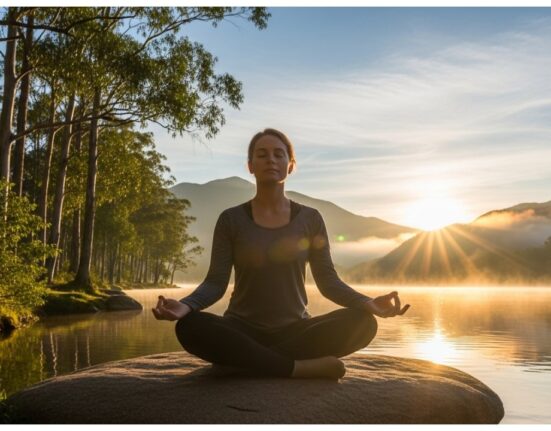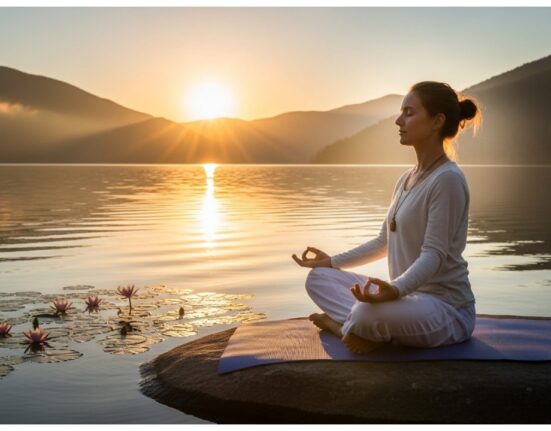

What is Meditation?
Meditation is a mental exercise that involves focusing your mind and eliminating distractions. The goal is not to control your thoughts, but to stop letting them control you. Meditate Properly It is often associated with mindfulness, breath awareness, or chanting, depending on the method you choose.
Why You Should Learn How to Meditate Properly
Practicing meditation correctly has countless benefits. Here’s what consistent meditation can help you with:
1. Reduces Stress and Anxiety
When done properly, meditation activates the parasympathetic nervous system, lowering cortisol levels and calming your mind.
2. Improves Focus and Concentration
With techniques like mindfulness meditation or breathing exercises, your ability to stay focused improves dramatically.
3. Enhances Emotional Well-being
Daily meditation allows you to observe your thoughts without judgment, building emotional resilience.
4. Promotes Better Sleep
Struggling with insomnia or restless sleep? Meditation for sleep (a trending keyword) can calm your mind before bedtime.
Meditate Properly for Beginners
Let’s break down the meditation process into easy steps for beginners. You don’t need fancy cushions or apps just follow these simple techniques.
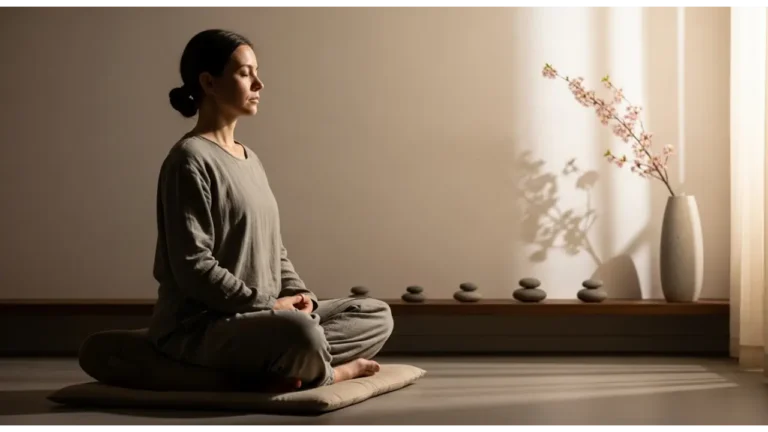
Step 1: Choose a Quiet, Comfortable Space
Find a place where you won’t be disturbed. It could be a corner of your room or even your office. Sit on the floor, a chair, or lie down if that’s more comfortable.
Step 2: Set a Timer
Start with just 5 to 10 minutes. As you get used to it, you can gradually increase your practice to 20 minutes or more.
Step 3: Focus on Your Breath
Breathing meditation is one of the easiest techniques. Close your eyes and bring your attention to your breath how it enters and exits your nostrils. If your mind wanders (and it will), gently bring it back to the breath.
Types of Meditation Techniques You Can Try
Each meditation style has its own purpose. Choose one that resonates with your current needs and goals.
1. Mindfulness Meditation
Derived from Buddhist teachings, this form emphasizes being present. You observe thoughts, emotions, and sensations without judgment.
Best for: Anxiety, self-awareness
2. Guided Meditation
A voice (live or recorded) walks you through visualizations and calming instructions. Ideal for those who struggle with silence.
Best for: Beginners, sleep meditation, stress relief
3. Transcendental Meditation
This involves silently repeating a mantra. Practiced twice daily for 20 minutes, it’s known for its deep relaxation and stress reduction.
Best for: Deep relaxation, emotional balance
4. Body Scan Meditation
Bring attention to different parts of your body and consciously relax them. It’s commonly used in meditation for sleep routines.
Best for: Muscle relaxation, physical awareness
5. Loving-Kindness Meditation
You mentally send goodwill and positive vibes toward yourself and others. This can drastically improve emotional health.
Best for: Self-love, relationships, forgiveness
Common Mistakes People Make While Meditating
If you want to learn how to meditate properly, it’s important to avoid these beginner pitfalls:
 Expecting Immediate Results
Meditation isn’t a quick fix. Consistency is key. Think of it as training your mind, much like going to the gym for your body.
Forcing Your Mind to Be Blank
Meditation allows you to observe your thoughts without judgment or reaction
Meditating in an Uncomfortable Position
You don’t have to sit in a lotus pose. Just find a posture that keeps your spine aligned and your body relaxed.
Meditation and Your Health: What Science Says
Many studies have shown that meditation leads to measurable improvements in mental and physical health.
Health Benefits Include:
- Lower blood pressure
- Improved sleep
- Reduced symptoms of depression and anxiety
- Better immune response
Medical Studies Show:
People who meditate regularly have increased gray matter in brain areas related to memory, learning, and emotion regulation.
How to Build a Consistent Meditation Routine
To truly experience the benefits of meditation, you need to be consistent.
✅ Set a Fixed Time Daily
Even 10 minutes a day is enough. Choosing a regular time daily helps your mind adapt and form a lasting meditation habit.
✅ Create a Meditation Space
Having a dedicated space, even if it’s a small corner, helps condition your mind for meditation.
✅ Track Your Progress
Keep a journal or use an app to note how you feel after each session.
✅ Be Patient and Kind to Yourself
Some days will be easier than others. The key is to show up anyway.
How to Meditate for Anxiety or Depression
If you’re dealing with mental health challenges, meditation can be a gentle, supportive tool. Here’s a beginner-friendly technique:
5-Minute Meditation for Anxiety
- Sit comfortably and close your eyes.
- Inhale slowly for a count of 4.
- Hold your breath for a count of 4.
- Exhale slowly for a count of 6.
- Repeat this for 5 minutes.
Use positive affirmations like:
- “I am calm.”
- “I am safe.”
- “This feeling will pass.
Meditation Is a Journey, Not a Destination
The secret to learning meditation properly lies in consistency, patience, and compassion. Whether you’re trying to beat stress, improve sleep, or just add calm to your chaotic life, meditation can truly transform you from within. Start small, stay consistent, and soon enough, you’ll discover a wellspring of peace within you.
Frequently Asked Questions
Start by sitting comfortably in a quiet space. Focus on your breath. When thoughts distract you, gently return to your breathing. Begin with 5-10 minutes daily.
Mindfulness and breathing meditations are easiest to start with. Guided meditations are also very helpful.
Yes, consistent meditation helps calm the nervous system, reduce cortisol levels, and develop emotional resilience.
Daily practice is best. Start with 5-10 minutes and build up over time.
No. Just sit in a comfortable position with your spine straight. You can even lie down if necessary.