
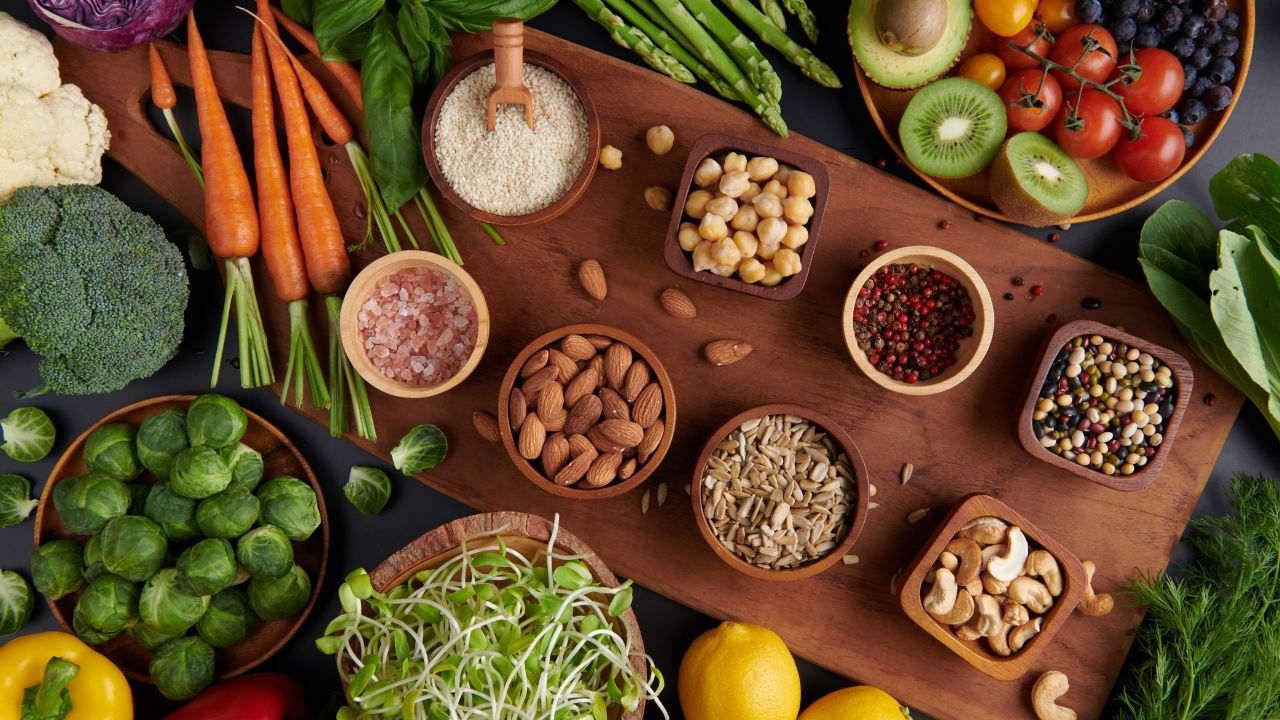
What Is Fibermaxxing?
If you have scrolled through TikTok or Instagram in 2026, you have almost certainly seen the word fibermaxxing take over nutrition feeds. It is trending in wellness circles, dominating health hashtags, and earning the rare approval of registered dietitians who normally criticize social media food trends. But what does it actually mean and should you try it?
Fibermaxxing is the practice of intentionally maximizing your daily dietary fiber intake by loading meals and snacks with fiber-rich whole foods vegetables, legumes, whole grains, fruits, nuts, and seeds. The word blends “fiber” with “maxxing,” Gen Z slang for pushing something to its full potential.
How the Trend Started
It began on TikTok. Users started posting their fiber-packed meal days overnight oats with chia seeds, lentil soups, chickpea bowls topped with avocado and broccoli alongside their fiber gram counts. The hashtag exploded. Recipes for so-called “poop bread” (a dense, high-fiber seeded loaf) went viral. Plant challenges like “Can you eat 30 different plants this week?” flooded feeds. For the first time in years, nutrition scientists actually cheered a social media trend.
“Fibermaxxing is essentially attempting to eat a ton of fiber to max out your daily fiber intake.”
Why This Trend Is Different
What sets fibermaxxing apart from most wellness fads is that it is grounded in over 50 years of nutritional science. Fiber has been studied for its role in gut health, cardiovascular disease prevention, blood sugar management, cancer risk reduction, and weight management for decades. What is new is the collective realization that almost nobody is eating enough of it and that social media might finally be the vehicle to change that.
Want to know Importance of Nutrition: A Complete Guide to Healthy Living
Why Fibermaxxing Is Trending in 2026
Nutrition trends come and go. So why has fibermaxxing earned its place as the most-discussed dietary shift of 2026? The answer sits at the crossroads of a genuine public health crisis, a cultural moment on social media, and growing science linking gut health to virtually every aspect of the human body.
The Fiber Gap Is a Real Crisis
Here is the uncomfortable truth: most people eat barely half the fiber they need.
- Over 90% of women and 97% of men do not meet recommended daily fiber intake
- The average person gets only 10–15g of fiber per day
- Recommended intake is 25g for women and 38g for men
Gen Z Is Driving the Conversation
According to Datassential, a food and beverage research firm, 60% of Gen Z consumers say they are interested in foods and beverages that are high in fiber. This generation is uniquely invested in proactive, preventative health optimizing wellbeing through food rather than just treating illness after it arrives.
The Gut Health Revolution
Over the past decade, gut health has moved from niche concern to mainstream wellness priority. The discovery of the gut-brain axis the bidirectional communication pathway between the digestive system and the brain has fundamentally changed how we understand food’s role in mental health, mood, cognition, and immunity. Fiber sits at the center of this revolution.
Fiber Has a GLP-1 Connection
One of the most exciting recent discoveries: dietary fiber stimulates the natural production of GLP-1 the same appetite-suppressing hormone targeted by blockbuster weight-loss drugs like Ozempic and Wegovy. As these medications have reshaped the weight management conversation, researchers are increasingly interested in natural strategies that activate the same pathways. Fiber is the most accessible and affordable way to do exactly that.
Dietitians Are Actually Endorsing It
In a field where professionals spend much of their time warning against dangerous social media trends, fibermaxxing has earned something remarkable: widespread dietitian approval. Yasi Ansari, RDN, senior dietitian at UCLA Santa Monica Medical Center, called it “legitimately worth adopting.” The concept is sound execution just needs to be gradual and food-first.
Learn Nutrition Myths Busted: What Science Really Says About Your Diet
Fibermaxxing and Fiber Types: Soluble vs. Insoluble
Before you can fibermaxx effectively, you need to understand what fiber actually is because not all fiber works the same way, and the type you eat matters as much as the quantity.
Dietary fiber is a carbohydrate found in plant foods that the body cannot fully digest. Unlike other carbohydrates that are broken down into glucose, fiber passes through the digestive system largely intact and this is exactly what gives it such wide-ranging health effects.
Soluble Fiber: The Gel-Forming Type
Soluble fiber dissolves in water to form a thick, gel-like substance in the digestive tract. This gel:
- Slows digestion regulating blood sugar by delaying glucose absorption
- Binds to cholesterol helping remove LDL cholesterol before it is absorbed
- Creates lasting fullness by slowing gastric emptying after meals
- Feeds gut bacteria acting as a primary prebiotic to produce beneficial SCFAs
Best food sources of soluble fiber:
- Oats and oat bran
- Barley
- Legumes (lentils, black beans, chickpeas, kidney beans)
- Apples, pears, and citrus fruits
- Psyllium husk (isabgol)
- Chia seeds and flaxseeds
- Sweet potato
Insoluble Fiber: The Digestive Broom
Insoluble fiber does not dissolve in water. Instead, it adds bulk to stool and speeds the passage of food and waste through the digestive tract nature’s digestive broom. It keeps things moving, prevents constipation, and reduces the time potential carcinogens spend in contact with the intestinal wall.
Best food sources of insoluble fiber:
- Wheat bran and whole wheat products
- Brown rice
- Most vegetables (broccoli, carrots, cauliflower, green beans)
- Quinoa
- Nuts and seeds
- Corn and corn bran
- Dark leafy greens
Prebiotic Fiber: The Microbiome Booster
A third important category is prebiotic fiber — specific soluble fibers (like inulin, fructooligosaccharides, and beta-glucan) that selectively feed beneficial gut bacteria. Particularly rich sources include garlic, onion, bananas, asparagus, oats, and chicory root. Research increasingly suggests that the diversity of prebiotic fiber sources may matter as much as total fiber intake.
Quick Tip: Most whole plant foods contain both soluble and insoluble fiber together. You do not need to overthink the types just eat more varied plants.
See Best Superfoods for Health Boost Immunity & Energy Naturally
Fibermaxxing Benefits: What the Science Proves
The evidence supporting dietary fiber is vast, robust, and decades deep. Fiber’s benefits are well-established across multiple chronic diseases. Here is what the science actually shows.
Fibermaxxing Heart Health: Lower Your Risk by 9% Per 7g
Heart disease is the world’s leading cause of death, and fiber has been consistently shown to reduce risk. Soluble fiber from oats, barley, and legumes binds to LDL cholesterol in the digestive tract and helps eliminate it before absorption.
Large-scale studies show that every additional 7 grams of fiber per day is associated with a 9% reduction in cardiovascular disease risk. The mechanism works across multiple pathways: fiber lowers LDL cholesterol, reduces blood pressure, decreases inflammation through SCFA production, and improves blood sugar control — all independent heart disease risk factors.
Blood Sugar: 20–30% Reduced Diabetes Risk
Soluble fiber slows the digestion and absorption of carbohydrates, preventing the sharp blood glucose spikes that over time contribute to insulin resistance and type 2 diabetes. High-fiber diets are associated with a 20–30% reduced risk of developing type 2 diabetes in large epidemiological studies.
For people already living with diabetes, increasing fiber intake is a first-line dietary strategy recommended by virtually all major diabetes organizations.
Cancer Prevention: A Well-Established Link
Colorectal cancer is one of the few cancers with a well-established dietary fiber connection. Insoluble fiber speeds transit time in the colon, reducing the time potential carcinogens spend in contact with the intestinal wall. The SCFAs produced when bacteria ferment fiber particularly butyrate have direct anti-cancer effects on colon cells, inhibiting abnormal proliferation. Regular fiber intake also shows potential for reduced breast and prostate cancer risk, though the evidence here is still developing.
Fibermaxxing for Weight Management: A Natural Solution
Fiber supports weight management through multiple simultaneous mechanisms:
- Satiety hormones: Stimulates GLP-1 and peptide YY, making you feel full faster and longer
- Gastric emptying: Soluble fiber slows digestion, extending the fullness window
- Caloric displacement: High-fiber foods let you eat more food volume for fewer calories
- Blood sugar stability: Steady blood sugar prevents the hunger crashes that drive overeating
A landmark Annals of Internal Medicine study found that simply increasing fiber intake with no other dietary changes led to significant weight loss comparable to a comprehensive dietary program.
Immune Function: 70% of Immunity Starts in Your Gut
The gut houses approximately 70% of the body’s immune cells. The gut microbiome shaped largely by fiber intake plays a critical regulatory role in immune function. SCFAs from fiber fermentation help regulate immune responses and reduce the chronic low-grade inflammation that underlies most major chronic diseases.
Mental Health: The Gut-Brain Connection
Perhaps the most exciting frontier in fiber research: the gut-brain axis — the bidirectional communication network connecting the enteric nervous system (“the second brain” in your gut) with the central nervous system. Fiber-fed gut bacteria produce neurotransmitter precursors and signaling molecules influencing:
- Mood stability and emotional resilience
- Anxiety and stress management
- Cognitive performance and focus
- Sleep quality
Research shows fiber can support mental wellness, though much of this research is still emerging.
Longevity: Live Longer with Fiber
A Harvard School of Public Health analysis found that people who consumed the most dietary fiber had a 23% lower risk of dying from any cause compared to those who consumed the least. High-fiber diets are consistently associated with longer life expectancy in large population studies across multiple countries.
Discover How to Read Food Labels Correctly: A Complete Guide to Smarter Eating
Fibermaxxing and Your Gut Microbiome
The relationship between dietary fiber and the gut microbiome is one of the most important stories in modern nutritional science and it is central to understanding why fibermaxxing has earned so much scientific attention.
What Is the Gut Microbiome?
Your gut microbiome is a vast community of trillions of microorganisms bacteria, fungi, viruses, and archaea living in your digestive tract. Far from passive passengers, these microbes actively control:
- Digestion and nutrient absorption
- Immune regulation and response
- Metabolism and energy balance
- Hormone production
- Brain function and mood
The composition and diversity of your microbiome is now recognized as a key determinant of health outcomes across virtually every organ system.
How Fiber Feeds Your Gut Bacteria
When dietary fiber reaches your large intestine undigested, it becomes food for your gut bacteria. The fermentation process produces short-chain fatty acids (SCFAs) primarily butyrate, acetate, and propionate which have powerful, system-wide effects:
- Butyrate: Primary fuel for colon cells. Maintains gut barrier integrity, reduces “leaky gut,” and has anti-inflammatory and anti-cancer properties.
- Propionate: Travels to the liver, where it influences glucose production and cholesterol synthesis.
- Acetate: Enters systemic circulation and can cross the blood-brain barrier, influencing appetite regulation and brain function.
Why Fiber Diversity Matters More Than Quantity
One of the most important recent lessons from microbiome research: the variety of your fiber sources may matter as much as the total amount you eat. Different species of gut bacteria specialize in fermenting different types of fiber. Monotonous fiber intake selectively feeds certain bacterial populations while leaving others undernourished.
Studies suggest that people who eat 30 or more different plant foods per week have significantly more diverse microbiomes than those who eat fewer than 10. A diverse microbiome is consistently associated with better health outcomes across all populations.
Expert View: “The gut microbiome thrives off diversity. The next phase of fibermaxxing needs to be about consuming a diversity of plant-based prebiotic fibers based on science, not just social media.” Cailin Hall, Head of Research, Myota
Individual Responses to Fiber Vary
Not everyone responds identically to the same types of fiber. Individual microbiome composition shapes how fiber is fermented and what effects it produces. In people with inflammatory bowel disease, for example, certain fibers may worsen symptoms rather than relieve them. This is why personalized approaches, ideally guided by a registered dietitian, are increasingly seen as the gold standard.
For the vast majority of people eating a typical modern diet, substantially increasing fiber intake from diverse whole plant foods will produce meaningful health benefits.
Fiber for Weight Loss: The GLP-1 Link
In an era dominated by GLP-1 medications like Ozempic and Wegovy, it may surprise you to learn that dietary fiber stimulates the same fundamental hormone these drugs target. This natural GLP-1 connection is one of the most compelling reasons fiber is generating so much clinical attention in 2026.
What Is GLP-1 and Why Does It Matter?
Glucagon-like peptide-1 (GLP-1) is an incretin hormone produced primarily in the gut in response to food. It:
- Suppresses appetite by signaling to the brain that you are full
- Slows gastric emptying, extending the fullness window after meals
- Improves insulin sensitivity and blood sugar regulation
GLP-1 receptor agonists (the mechanism behind Ozempic and Wegovy) are among the most effective weight loss medications ever developed.
How Fiber Triggers Natural GLP-1 Release
When soluble and fermentable fiber is fermented by gut bacteria into SCFAs, those SCFAs stimulate L-cells in the gut lining to release GLP-1 naturally. Eating fiber-rich foods activates the same appetite-suppressing pathway as injectable medication through an entirely natural, food-based mechanism at zero pharmaceutical cost.
Fiber also promotes the release of peptide YY (PYY), another satiety hormone signaling that the body is satisfied. This is why high-fiber meals produce greater and more sustained fullness than low-fiber meals of identical caloric value.
Fiber, Volume, and Caloric Density
Beyond hormonal effects, high-fiber foods have a practical structural advantage high food volume for fewer calories:
| Food | Approximate Calories | Fiber |
| Large bowl of lentil soup | ~180 kcal | 8g |
| Plate of roasted vegetables | ~100 kcal | 6g |
| Serving of chickpeas (100g) | ~270 kcal | 12g |
| Bag of potato chips (100g) | ~540 kcal | 1g |
These high-fiber foods fill your stomach physically stimulating stretch receptors with significantly fewer calories per gram of food than ultra-processed alternatives.
What the Weight Loss Research Shows
Multiple large clinical trials and meta-analyses confirm that increasing dietary fiber intake is associated with significant weight loss and reduced waist circumference, independent of other dietary changes. The effect is most pronounced when fiber comes from whole foods rather than supplements, likely because whole foods also displace calorie-dense, lower-quality foods from the diet.
For anyone seeking sustainable, long-term weight management without medication, optimizing fiber intake is one of the most evidence-supported single dietary interventions available.
Fibermaxxing: How Much Fiber Do You Need Per Day?
One of the most common questions surrounding fibermaxxing: how much fiber should you actually aim for? This is where the science gets more nuanced than the social media “maxx it out” messaging suggests.
Official Daily Fiber Recommendations
The Dietary Guidelines for Americans (2020–2025) recommend:
| Group | Daily Fiber Target |
| Women | 25 grams per day |
| Men | 38 grams per day |
| General Rule | 14 grams per 1,000 calories |
These are based on fiber intake levels associated with reduced chronic disease risk in large epidemiological studies.
The Average Intake Gap
Most people consume only 10–15 grams of fiber per day roughly half or less of what is recommended. This shortfall is so consistent that nutrition researchers simply call it “the fiber gap,” and it represents one of the most widespread dietary deficiencies in the modern world.
Is More Fiber Always Better?
Here is where fibermaxxing needs an important reality check. The “maxxing” framing implies more is always better but the evidence does not fully support that. While there is no established upper limit for dietary fiber from whole foods in healthy adults, consuming far more than recommendations (some influencers post 70–80 grams per day) is not proven to deliver more benefit than simply meeting recommendations.
“Going way over your fiber requirement is not beneficial, and there is no data to show that that amount of fiber is more beneficial than getting what’s recommended.” Bonnie Jortberg, PhD, RDN, University of Colorado Anschutz
Dramatically overshooting fiber recommendations also causes significant digestive discomfort bloating, gas, cramping, and constipation when water intake is insufficient.
The Right Goal: Smart Fiber Optimization
The evidence-based goal is not to “maxx out” but to reach your recommended daily intake consistently, from a diverse range of whole food sources. For most people eating a typical modern diet, this means approximately doubling their current fiber intake itself a meaningful and achievable improvement.
“Optimization is what we really want getting adequate fiber along with other nutrients.”
Read Beginner Nutrition Guide: Simple Steps to Healthy Eating and a Balanced Diet
Fibermaxxing Foods: Best High-Fiber Foods to Eat Every Day
Building a fibermaxxing diet starts with knowing which foods pack the most fiber per serving. Here is a comprehensive, categorized guide with approximate fiber content per 100g.
Legumes: The Undisputed Champions
Legumes are the highest-fiber food category in existence. If you make one single dietary change for fibermaxxing, adding more legumes delivers the highest impact.
| Food | Fiber per 100g (cooked) |
| Black beans | 8.7g |
| Split peas | 8.3g |
| Lentils (masoor) | 7.9g |
| Chana dal | 7.6g |
| Chickpeas | 7.6g |
| Rajma (kidney beans) | 6.4g |
| White beans | 6.3g |
| Edamame | 5.2g |
| Moong dal | 4.1g |
Whole Grains: Fiber at Every Meal
| Food | Fiber per 100g |
| Wheat bran | 42.8g |
| Oat bran | 15.4g |
| Rolled oats (dry) | 10.1g |
| Whole wheat bread | 6.8g |
| Jowar (sorghum) | 6.7g |
| Barley (cooked) | 3.8g |
| Ragi (finger millet) | 3.6g |
| Quinoa (cooked) | 2.8g |
| Brown rice (cooked) | 1.8g |
Seeds and Nuts: Small but Mighty
| Food | Fiber per 100g |
| Chia seeds | 34.4g |
| Flaxseeds | 27.3g |
| Almonds | 12.5g |
| Pistachios | 10.3g |
| Sunflower seeds | 8.6g |
| Walnuts | 6.7g |
| Pumpkin seeds | 6.0g |
Vegetables: Eat the Rainbow
| Food | Fiber per 100g |
| Artichoke | 8.6g |
| Green peas (cooked) | 8.3g |
| Brussels sprouts | 3.8g |
| Drumstick (moringa) | 3.2g |
| Carrots | 2.8g |
| Methi (fenugreek leaves) | 2.7g |
| Broccoli | 2.6g |
| Bitter gourd (karela) | 2.6g |
Fruits: Nature’s Fiber Dessert
| Food | Fiber per 100g |
| Dates | 8.0g |
| Avocado | 6.7g |
| Raspberries | 6.5g |
| Guava | 5.4g |
| Amla (Indian gooseberry) | 3.4g |
| Pear (with skin) | 3.1g |
| Banana | 2.6g |
| Apple (with skin) | 2.4g |
9. High-Fiber Indian Foods: Fibermaxx the Desi Way
For readers in India and across South Asia, the good news is extraordinary: traditional Indian cuisine is already one of the most fiber-rich dietary patterns in the world. Dal, sabzi, whole grain rotis, legume-based curries the Indian kitchen has been fibermaxxing for centuries without knowing the hashtag.
The modern challenge is that rapid urbanization, the rise of ultra-processed foods, and refined maida-based products are creating the same fiber gap seen in Western nations. Bringing back traditional eating patterns is one of the most powerful and culturally rooted fibermaxxing strategies available.
Dal: The Original Fiber Superfood
Dal is the backbone of Indian nutrition. Every variety is a powerhouse:
| Dal Variety | Fiber per 100g (cooked) |
| Chana dal | 7.6g |
| Toor dal | 6.4g |
| Masoor dal | 7.9g |
| Urad dal | 3.3g |
| Moong dal | 4.1g |
A typical bowl of cooked dal provides 6–8 grams of fiber plus a rich array of vitamins and minerals. Eating dal twice daily as traditional Indian households do goes a long way toward meeting daily fiber targets.
Rajma and Chole: Eat Them Weekly
Rajma (kidney beans) and chole (chickpeas) are among the most fiber-dense foods in any cuisine globally. A single serving provides 8–10 grams of fiber, along with plant protein, iron, and folate. These dishes perfectly embody the fibermaxxing philosophy and need no modification just eat them more frequently.
Whole Grain Rotis: Upgrade from Maida
Bajra, jowar, and ragi rotis are traditional staples displaced by refined wheat flour in modern urban eating. Bringing these grains back is one of the easiest, highest-impact dietary upgrades for Indian fibermaxxers:
- Jowar roti: 6.7g fiber per 100g — naturally gluten-free
- Ragi roti: 3.6g fiber per 100g — rich in calcium
- Bajra roti: excellent mineral density, particularly good in winter
Traditional Sabzis Worth Celebrating
A traditional Indian thali built around multiple vegetable preparations provides significant collective fiber. High-fiber Indian vegetables include:
- Bhindi (okra): 3.2g per 100g
- Arbi (taro root): 4.1g per 100g
- Drumstick (moringa): 3.2g per 100g
- Lauki (bottle gourd): typically eaten in large quantities
- Methi (fenugreek greens): 2.7g per 100g
Fermented Foods: Probiotic + Prebiotic Power
South Indian fermented foods like idli and dosa (from rice and lentils) and North Indian drinks like kanji and chaas (buttermilk) are both fiber-containing and probiotic-rich. Combined with prebiotic fiber from dal and vegetables, these foods create a powerful environment for gut microbiome health. Traditional Indian cuisine naturally integrates pre- and probiotic foods in ways modern functional food companies charge a premium to replicate.
Isabgol (Psyllium Husk): India’s Secret Weapon
A well-known Indian home remedy, isabgol (psyllium husk) is one of the most clinically studied soluble fiber sources in the world. One tablespoon provides approximately 5 grams of fiber, predominantly the gel-forming soluble type. Adding isabgol to water, lassi, or warm milk is a simple and traditional fibermaxxing strategy with excellent scientific evidence behind it.
The Modern Indian Fiber Problem
Major concerns among Indian nutrition professionals include the growing displacement of high-fiber traditional foods by:
- Ultra-processed snacks (biscuits, namkeen, chips)
- Maida-based products (white bread, naan, pav)
- Sugary beverages replacing chaas and lassi
- Fast food replacing dal-roti meals
Fibermaxxing in the Indian context is therefore partly a return to roots celebrating and prioritizing the traditional dietary wisdom that already created one of the world’s most fiber-rich food cultures.
Fibermaxxing Meal Plan 7-Day
Here is a practical, realistic 7-day fibermaxxing meal plan designed for the South Asian palate, built to reach 25–35 grams of fiber per day through whole food sources only. Fiber counts are approximate.
Non-Negotiable Rule: Drink at least 2.5–3 liters of water every day. Fiber requires adequate hydration to work effectively. Insufficient water is the #1 cause of digestive discomfort when increasing fiber.
Day 1
Gut Reset (32g Daily Goal)
| Meal | Food | Fiber |
| Breakfast | Overnight oats + 2 tbsp chia seeds + banana + mixed berries | ~12g |
| Lunch | Masoor dal + 2 bajra rotis + lauki sabzi | ~10g |
| Snack | Guava with skin | ~5g |
| Dinner | Rajma curry + brown rice + cucumber raita | ~10g |
Day 2
Legume Power (28g Daily Goal)
| Meal | Food | Fiber |
| Breakfast | Upma with peas and carrots + small apple | ~8g |
| Lunch | Chole + 2 whole wheat rotis + kachumber salad | ~12g |
| Snack | Almonds + dates | ~4g |
| Dinner | Mixed vegetable sabzi + toor dal + jowar roti | ~9g |
Day 3
Green and Clean (30g Daily Goal)
| Meal | Food | Fiber |
| Breakfast | Flaxseed smoothie with banana, spinach, oat milk | ~10g |
| Lunch | Lentil soup + quinoa + roasted broccoli | ~12g |
| Snack | Hummus + carrot and cucumber sticks | ~5g |
| Dinner | Moong dal khichdi + methi sabzi | ~8g |
Day 4
High-Impact Day (35g Daily Goal)
| Meal | Food | Fiber |
| Breakfast | Multigrain paratha with ghee + chaas | ~8g |
| Lunch | Rajma + moong dal combo + ragi roti + palak sabzi | ~13g |
| Snack | Pear with skin + walnuts | ~5g |
| Dinner | Chana masala + sweet potato + brown rice | ~11g |
Day 5
Traditional Roots (27g Daily Goal)
| Meal | Food | Fiber |
| Breakfast | Oatmeal + 1 tbsp isabgol + mango + coconut | ~9g |
| Lunch | Mixed dal (toor + masoor) + drumstick + 2 bajra rotis | ~10g |
| Snack | Boiled edamame with black pepper | ~5g |
| Dinner | Vegetable biryani with plenty of mixed vegetables | ~8g |
Day 6
Variety and Colour (31g Daily Goal)
| Meal | Food | Fiber |
| Breakfast | Methi-stuffed whole wheat paratha | ~9g |
| Lunch | Black bean salad with avocado, tomato, cilantro | ~12g |
| Snack | Amla + pistachios | ~5g |
| Dinner | Palak paneer + 2 ragi rotis + arbi sabzi | ~10g |
Day 7
Strong Finish (33g Daily Goal)
| Meal | Food | Fiber |
| Breakfast | Idli + sambar (with dal and vegetables) + coconut chutney | ~10g |
| Lunch | Chole (whole grain version) + kachumber salad | ~11g |
| Snack | Banana + peanut butter on whole grain bread | ~6g |
| Dinner | Urad dal + jowar roti + lauki sabzi | ~9g |
How to Start Fibermaxxing Safely
The single most important rule of fibermaxxing: go slow. The difference between fibermaxxing that transforms your health and fibermaxxing that leaves you bloated and miserable is almost entirely determined by the pace at which you increase intake.
Step 1: Track Your Current Fiber Intake
Before changing anything, spend three days tracking fiber using a free app MyFitnessPal, Cronometer, or HealthifyMe (popular in India). Most people are genuinely surprised how little fiber they eat. This baseline is your starting point.
Step 2: Set a Gradual First Target
Do not jump straight to 38 grams. Instead, add just 5 grams to your current intake in month one. If you are eating 12 grams, aim for 17 grams first. Gradual increases allow your gut bacteria to adapt without digestive distress.
Step 3: Add One High-Fiber Food Per Meal
Rather than overhauling your entire diet, add one fiber-boosting food to each meal:
- Breakfast: Sprinkle chia seeds or flaxseeds over whatever you are already eating
- Lunch: Add a handful of legumes to any dish, or have dal as a side
- Dinner: Swap white rice for brown rice, or maida roti for bajra or jowar roti
- Snacks: Replace biscuits or chips with fruit, nuts, or raw vegetables
Step 4: Try the Fiber-First Approach
Research suggests eating fiber-rich foods first in a meal vegetables and legumes before grains and proteins can significantly blunt post-meal blood sugar spikes. This simple food-order strategy amplifies the metabolic benefits of fibermaxxing at zero extra cost.
Step 5: Diversify Your Sources
Once your gut has adjusted (typically 4–6 weeks), focus on increasing the variety of your sources. Aim for 20–30 different plant foods per week. Keep a simple tally in a notes app this “plant points” approach turns diversity into a game rather than a chore.
Step 6: Drink More Water Non-Negotiable
As fiber intake increases, water intake must increase proportionally. General guideline: add at least one extra glass of water (250ml) for every 5 grams of fiber you add. Insufficient water with high fiber intake is the most common cause of constipation and bloating during fibermaxxing.
Step 7: Monitor, Adjust, and Keep Going
Most people notice significant improvement in digestive regularity, energy, and satiety within 2–4 weeks of consistent high-fiber eating. If you experience persistent bloating or discomfort, slow the pace of increase and consult a registered dietitian.
Fibermaxxing Side Effects and Who Should Be Careful
Fibermaxxing is safe for the vast majority of people but not without risks when done aggressively or without adequate preparation.
Common Side Effects of Rapid Fiber Increases
When you dramatically increase fiber intake too quickly, you may experience:
- Gas and bloating: Gut bacteria produce gas as a byproduct of fiber fermentation. Normal and usually temporary subsides within 2–4 weeks as the microbiome adapts.
- Abdominal cramping: Increased gut motility as fiber bulks and moves stool can cause temporary cramping, especially in the first few weeks.
- Paradoxical constipation: Counterintuitive but real if fiber increases without matching water increases, additional bulk can harden stool and slow motility instead of speeding it.
- Diarrhea: In some individuals with sensitive guts, large rapid additions of soluble fiber can have a laxative effect. Slowing the pace of increase resolves this in most cases.
All of these effects are generally temporary and preventable with a gradual approach and good hydration.
Who Needs Extra Care
These populations should exercise extra caution and ideally work with a registered dietitian:
People with IBS: Fiber’s effects on irritable bowel syndrome are complex and highly individual. Insoluble fiber can worsen symptoms in some IBS sufferers. The low-FODMAP approach to fiber management is worth exploring with a professional.
People with Crohn’s Disease or Ulcerative Colitis: Those with IBD need personalized guidance. Certain fibers may exacerbate symptoms during flares while being therapeutic during remission. Self-directed fibermaxxing is not appropriate here.
People with Celiac Disease: Ensure all whole grain fiber sources are gluten-free. Excellent gluten-free, high-fiber options include quinoa, teff, buckwheat, rice bran, and legumes.
People on Certain Medications: High fiber intake can interfere with absorption of some medications, including metformin, levothyroxine, and certain psychiatric medications. Always check with your doctor before significantly increasing fiber if you take regular medications.
People with Kidney Disease: Specific restrictions on potassium and phosphorus may affect which high-fiber foods are appropriate for your situation.
The Social Media Influencer Problem
The most extreme version of fibermaxxing 70–80 grams per day, as promoted by some influencers is not supported by evidence as being more beneficial than simply meeting the recommended intake. At those quantities, the discomfort is significant and the extra benefit is unproven. Aim for 25–38 grams from diverse whole foods. That is evidence-based fibermaxxing.
Fibermaxxing vs. Protein Maxxing
The great nutrition debate of 2025–2026 is playing out between two camps: protein-maxxers who see high protein as the key to every health goal, and fibermaxxers who believe fiber has been unfairly overlooked. The truth is more nuanced than either side’s social media posts suggest.
The Case for Protein
Protein has dominated fitness and health circles for valid reasons:
- Essential for muscle maintenance and growth, especially as we age
- Highly satiating reduces overall calorie intake
- Supports immune function, enzyme production, and tissue repair
- Critical for people strength training, recovering from illness, or managing age-related muscle loss (sarcopenia)
The Case for Fiber
Fiber offers distinct advantages protein cannot replicate:
- Supports multiple health systems simultaneously through gut microbiome modulation
- Reduces risk of cardiovascular disease, type 2 diabetes, colorectal cancer, and obesity
- Satiety effects comparable to protein but achieved through entirely different mechanisms
- Dramatically under-consumed in modern diets in a way that protein is typically not
The Answer: Both, in Balance
You do not need to choose between protein and fiber. The goal is meeting your needs for both. In practice, many traditional dietary patterns particularly South Asian cuisine built on dal, sabzi, whole grains, and dairy provide excellent amounts of both nutrients naturally.
The most powerful single shift most people can make: replace refined carbohydrates and ultra-processed foods with legumes. Legumes are simultaneously among the highest-fiber and highest-protein plant foods:
| Legume (100g cooked) | Fiber | Protein |
| Black beans | 8.7g | 9g |
| Chickpeas | 7.6g | 9g |
| Lentils | 7.9g | 9g |
| Rajma | 6.4g | 8g |
In practical terms, protein tends to be over-emphasized in fitness culture while fiber is almost universally neglected. For most people, increasing fiber is the higher-impact, more neglected intervention but this does not mean abandoning protein goals.
Fiber Supplements: Do You Need Them?
The fiber supplement market is enormous and rapidly growing psyllium husk, inulin, beta-glucan, pectin, methylcellulose. Do you actually need supplements to fibermaxx effectively?
Why Whole Foods Always Win
The scientific consensus strongly favors whole food fiber sources over supplements for most health benefits. When you eat a high-fiber whole food, you receive fiber bundled with:
- Vitamins and minerals
- Antioxidants and polyphenols
- Phytochemicals that work synergistically
- Diverse fiber types that support microbiome diversity
These complex matrices cannot be replicated in a supplement. If you asked AI to design the perfect fiber supplement, it would probably come up with a raspberry, an apple, or an avocado because those whole foods do more than any isolated extract can.
When Supplements Add Real Value
Fiber supplements are not useless they are valuable in specific contexts:
Psyllium husk (isabgol): The most studied and clinically validated fiber supplement. Excellent evidence for lowering LDL cholesterol, improving blood sugar control in diabetes, and supporting digestive regularity. For people who genuinely struggle to meet targets through diet alone, psyllium husk is a well-researched, reasonable addition.
As a transition bridge: While you work toward higher whole food fiber intake, supplements can help fill the gap during the adjustment period.
Under medical guidance: People with specific conditions (high cholesterol, IBS-C) may benefit from targeted fiber supplements recommended by a healthcare provider.
Supplement Cautions to Know
Many supplements use synthetic or highly processed fiber sources isolated inulin or fructooligosaccharides that can produce significant gas and bloating at high doses. Unlike diverse whole food fiber sources, a single supplement type selectively feeds limited bacterial populations, limiting microbiome diversity benefits.
The bottom line: Use supplements as an addition to a whole food diet never as a replacement for one.
Common Fibermaxxing Mistakes
Even with the best intentions, these common pitfalls prevent successful fibermaxxing or cause unnecessary discomfort along the way.
Mistake 1: Going Too Fast, Too Soon
The most consequential mistake. Tripling fiber intake overnight is a recipe for severe bloating, gas, and abdominal pain. Your gut microbiome needs time to adapt. Always increase gradually 5 grams per week is a safe, sustainable pace.
Mistake 2: Forgetting to Drink More Water
Fiber without water backfires. Increased fiber without increased water makes stool harder and more difficult to pass, resulting in constipation. Every fiber increase must be matched with a water increase no exceptions.
Mistake 3: Replacing Whole Foods with Supplements
Fiber supplements do not deliver the full package of benefits that whole food sources provide. They also fail to promote microbiome diversity the way varied whole plant foods do. Supplements are additions to a whole food foundation never replacements.
Mistake 4: Eating the Same Fiber Source Every Day
Diversity matters profoundly for gut microbiome health. Eating oats every single morning is better than eating croissants but rotating between oats, bajra, ragi, quinoa, and other whole grains (and similarly varying legumes, fruits, and vegetables) is significantly more beneficial for microbiome diversity.
Mistake 5: Skipping Fiber at Breakfast
Most people front-load fiber at lunch and dinner, missing the blood sugar and satiety advantages of starting the day with fiber. Adding chia seeds or flaxseeds to whatever you are already eating at breakfast is an easy, meaningful step.
Mistake 6: Ignoring Fiber-Rich Snacks
The snacking occasions of the day are consistently underutilized fiber opportunities. Replacing biscuits, chips, or packaged snacks with fruits, raw vegetables, nuts, or legume-based snacks (roasted chana, edamame, hummus) can add 5–10 grams of fiber to your daily total with minimal effort.
Mistake 7: Not Tracking Your Baseline
Without basic tracking, it is very difficult to know whether you are actually meeting your targets. Use a nutrition app for just two weeks to understand your baseline and where your biggest opportunities lie. You do not need to track forever just long enough to develop an intuition for high-fiber eating.
Conclusion: Trust the Evidence, Feed Your Gut
Fibermaxxing is not a fad. It is not a dangerous social media extreme. At its core, it is simply a compelling, modern call to action on one of the most significant and consistently neglected gaps in human nutrition the fact that nearly all of us are eating far too little fiber. For the first time in years, nutrition scientists actually cheered a social media trend.
What the Science Clearly Shows
The evidence for dietary fiber is among the most robust and long-standing in nutritional science:
- Fiber reduces the risk of cardiovascular disease, type 2 diabetes, colorectal cancer, and obesity
- Fiber feeds the beneficial bacteria in your gut that govern immunity, mood, metabolism, and cognitive function
- Fiber naturally activates the same GLP-1 pathways targeted by the world’s most popular weight-loss medications
- People who eat the most fiber have a 23% lower risk of dying from any cause
- The SCFAs produced when bacteria ferment fiber particularly butyrate have direct anti-cancer effects on colon cells, inhibiting abnormal proliferation. Regular fiber intake also shows potential for reduced breast and prostate cancer risk, though the evidence here is still developing.
- Eating oats every single morning is better than eating croissants but rotating between oats, bajra, ragi, quinoa, and other whole grains (and similarly varying legumes, fruits, and vegetables) is significantly more beneficial for microbiome diversity.
What Smart Fibermaxxing Looks Like in Practice
You do not need to consume extreme quantities to benefit. The evidence-based goal is to reach your recommended daily intake 25 grams for women, 38 grams for men consistently, from a diverse range of whole food sources, with adequate water, introduced gradually to give your gut microbiome time to adapt.
Your Next Step
For Indian readers especially, the foods needed to fibermaxx brilliantly are the same foods that have formed the foundation of traditional South Asian cuisine for thousands of years dal, sabzi, whole grain rotis, legumes, and fermented foods. The science now confirms it.South Indian fermented foods like idli and dosa (from rice and lentils) and North Indian drinks like kanji and chaas (buttermilk) are both fiber-containing and probiotic-rich.
Make the dal. Cook the rajma. Add chia seeds to your morning oats. Choose the bajra roti. Eat the guava. Start gradually, drink your water, diversify your plants. Your gut, your heart, your brain, your weight, and your longevity are all waiting for more fiber. Trust the evidence it points in one clear direction.
Frequently Ask Questions
Fibermaxxing is the practice of intentionally maximizing daily dietary fiber intake through whole plant foods. While the terminology is social media shorthand, the underlying practice has extensive scientific support. Decades of research confirm that most people eat far too little fiber, and increasing intake toward the recommended 25–38 grams per day is associated with reduced risk of heart disease, type 2 diabetes, colorectal cancer, and obesity.
The best high-fiber foods for weight loss combine high fiber density with high satiety and low caloric density. Top choices include legumes (lentils, chickpeas, rajma, black beans), chia seeds and flaxseeds, oats and oat bran, vegetables (broccoli, peas, artichoke), avocado, and whole grain rotis made from bajra, jowar, or ragi.
Current guidelines recommend 25 grams for women and 38 grams for men per day roughly 14 grams per 1,000 calories consumed. Beyond quantity, research increasingly emphasizes fiber diversity: consuming 20–30 different plant foods per week is associated with significantly more diverse and health-promoting gut microbiomes. the variety of your fiber sources may matter as much as the total amount you eat.
Yes when done correctly. Increasing fiber through diverse whole foods gradually and with adequate water intake typically improves digestive regularity and reduces constipation. However, rapidly increasing fiber can initially cause bloating and gas as the gut microbiome adjusts. People with IBS, Crohn’s disease, or ulcerative colitis should consult a registered dietitian first.